
Whole-House Renovation in Boise — Transform Your Home From the Inside Out
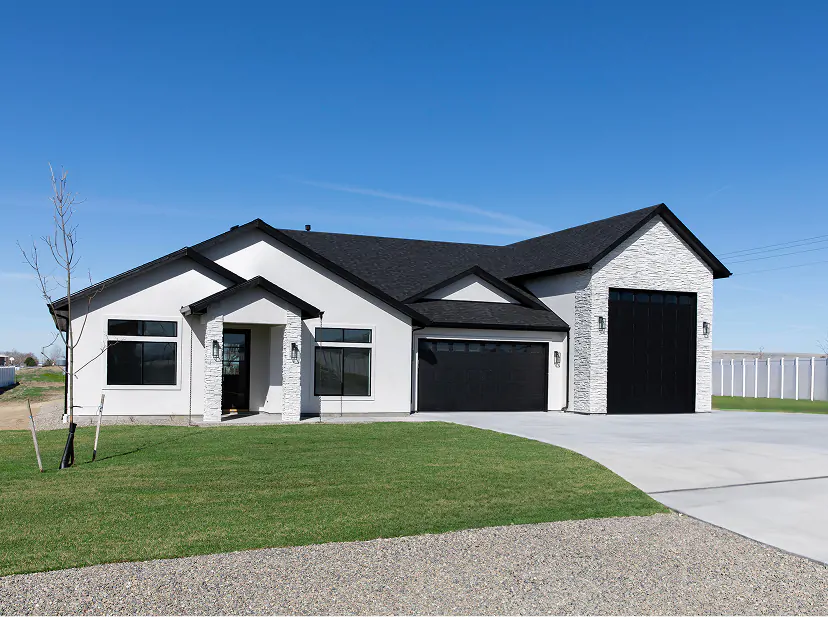
Complete Home Remodeling Solutions for Idaho Homeowners
A whole-house renovation in Boise is the most comprehensive way to reimagine your home without starting from scratch. Whether you’ve purchased a dated fixer-upper, inherited a family property, or simply outgrown your home’s 1980s floor plan, a full renovation strips your home down to its best bones and rebuilds it to match how you actually live today. At Eliezer Custom Homes, we bring the same meticulous craftsmanship to every gut remodel that we put into our ground-up custom builds — because a renovation done right should feel indistinguishable from new construction.
From our base in Star, we’ve completed full home renovations across Idaho — from century-old Boise North End bungalows to 1990s Eagle subdivision homes to rural Star farmhouses. Each project is different, but our commitment to transparency, quality, and clear communication stays the same.
What Is a Whole-House Renovation?
A whole-house renovation is more than new paint and updated fixtures. It’s a comprehensive transformation that addresses your home’s structure, mechanical systems, layout, and finishes — all at once. While a partial remodel might update a single kitchen or bathroom, a complete home renovation takes a holistic approach, treating the entire home as a unified project.
A true whole-house renovation typically includes:
- Demolition and selective deconstruction — stripping the home to studs, subfloor, and framing to expose the full picture of what needs attention
- Structural assessment and repairs — addressing foundation issues, replacing damaged framing, reinforcing load-bearing elements
- Complete systems replacement — new electrical wiring, plumbing, and HVAC throughout the home
- Floor plan reconfiguration — removing or relocating walls to create a modern, open layout
- Insulation and envelope upgrades — bringing the home up to current energy codes (or beyond)
- New finishes throughout — flooring, cabinetry, countertops, fixtures, trim, paint, and millwork
The result is a home that performs, looks, and feels brand new — but sits on the lot, in the neighborhood, and with the character you originally fell in love with.
When a Full Home Renovation Makes Sense
Not every home needs a full renovation, and not every home is a good candidate for one. Here are the situations where a whole-house renovation is the right call:
You’ve Bought a Fixer-Upper
The Treasure Valley’s real estate market has made “location-first” buying a smart strategy. Purchasing an older or outdated home in a desirable neighborhood — then renovating it to your standards — often costs less than buying a comparable move-in-ready property. This approach is especially common in Boise’s North End, where charming older homes on tree-lined streets come with decades of deferred maintenance and outdated systems.
Your Home Is Stuck in the Past
Homes built in the 1970s through the 1990s are the most common candidates for whole-house renovation across the Treasure Valley. These homes were built during rapid growth periods and often feature closed-off floor plans, small kitchens, insufficient master suites, outdated electrical systems, and poor insulation. The bones are typically solid, but the layout and systems no longer serve how families live today.
Your Family’s Needs Have Changed
A growing family, aging parents moving in, or a shift to working from home can make your current layout feel impossible. When you need changes in nearly every room — not just one — a phased room-by-room remodel becomes more expensive and disruptive than tackling everything at once.
The Home Has Good Bones and Great Location
The ideal renovation candidate sits on a lot you love, in a neighborhood you don’t want to leave, with a sound structure underneath dated finishes and systems. If the foundation is solid, the framing is straight, and the location is irreplaceable, a gut remodel is almost always a better investment than demolishing and rebuilding.
The Whole-House Renovation Process
We approach every gut remodel in the Treasure Valley with a structured, phased process that minimizes surprises and keeps your project on track.
Assessment and Discovery
Before we draw a single line, we conduct a thorough assessment of your existing home. This includes a structural evaluation, inspection of all mechanical systems, identification of potential hazards (asbestos, lead paint, outdated wiring), and documentation of the existing floor plan, foundation type, and building envelope. For older Boise homes, this phase often reveals hidden issues — knob-and-tube wiring, galvanized steel plumbing, or inadequate foundations — that must be addressed in the renovation plan.
Design and Planning
Working with our design team, you’ll develop a detailed renovation plan that addresses layout changes, material selections, fixture specifications, and finish details. This isn’t a surface-level mood board — it’s a comprehensive construction document set that includes architectural drawings, structural engineering plans, and mechanical layouts. We finalize every detail before breaking ground, which eliminates the costly mid-construction change orders that plague poorly planned renovations.
Permitting
Whole-house renovations in Ada County and Canyon County require building permits for structural, electrical, plumbing, and mechanical work. We prepare and submit all permit applications, respond to plan review comments, and schedule required inspections throughout the project.
Demolition and Structural Work
This is where the transformation begins. We carefully demo interior finishes, remove non-load-bearing walls, and open the home to its structural skeleton. Once exposed, we complete all structural modifications — new beams, headers, reinforced foundations, relocated load-bearing walls — and repair any framing damage discovered during demo.
Systems Upgrade
With the walls open, our trade partners install entirely new electrical, plumbing, and HVAC systems. This is one of the greatest advantages of a whole-house renovation: the opportunity to replace aging infrastructure with modern, efficient, code-compliant systems. In Idaho homes built before 2000, we commonly upgrade from 100-amp to 200-amp electrical panels, replace galvanized or polybutylene plumbing with PEX, and install high-efficiency forced-air or heat pump HVAC systems.
Insulation, Drywall, and Finishes
Once systems are inspected and approved, we insulate the walls and attic (often upgrading well beyond code minimum), hang new drywall, and begin the finish work that transforms a construction site into a home. This phase includes flooring installation, cabinetry, countertops, tile work, trim carpentry, painting, fixture installation, and all the details that define the character of your renovated home.
Final Inspections and Move-In
We complete all required code inspections, conduct a detailed walkthrough with you to review every element, address any punch-list items, and hand you the keys to what feels like an entirely new home.
Idaho-Specific Renovation Considerations
Renovating in the Treasure Valley comes with unique considerations that national renovation guides won’t tell you about.
Asbestos in Older Boise Homes
Homes built before 1980 in the Boise area frequently contain asbestos-containing materials (ACMs). Common locations include popcorn ceilings, vinyl floor tiles and adhesive, pipe insulation, vermiculite attic insulation, and some siding products. Idaho’s Department of Environmental Quality (DEQ) requires a certified asbestos inspection before any renovation that will disturb suspect materials. If asbestos is found, licensed abatement must be completed before demolition can proceed. We coordinate this testing and abatement as part of our standard process.
Updating Insulation for Idaho Winters
Idaho’s climate demands serious insulation. Older Treasure Valley homes often have minimal wall insulation (R-11 or less) and inadequate attic insulation. Current Idaho energy code requires significantly higher R-values — R-20 or R-13+5 for walls and R-49 for attic spaces. A whole-house renovation is the most cost-effective time to bring your home up to (or beyond) modern insulation standards, since the walls are already open.
Seismic Considerations
Southwest Idaho is in Seismic Design Category D, meaning buildings must meet specific lateral force resistance requirements. When we modify a home’s structure during renovation — removing walls, adding openings, changing the roof — we must ensure the renovated structure meets current seismic code requirements. This often means adding hold-downs, shear panels, and improved foundation connections that the original construction lacked.
Soil and Foundation Challenges
Parts of the Treasure Valley — particularly areas in West Boise, Star, and Nampa — have expansive clay soils that can cause foundation movement. During a full renovation, we inspect the foundation for signs of settling, cracking, or heaving and make necessary repairs. This might include installing helical piers, crack injection, or complete foundation section replacement.
How to Live During a Whole-House Renovation
One of the most common questions we hear is, “Where do we live while this is happening?” For a true complete home renovation, the honest answer is: somewhere else, at least during the core construction phases.
Temporary housing options our clients use:
- Short-term rental nearby (many furnished rental options exist in the Treasure Valley)
- Staying with family or friends
- An RV or travel trailer on the property (check local zoning regulations)
- If you have an ADU or guest house on the property, that can serve as temporary quarters
Phased renovation approach: For some projects, we can renovate the home in phases — completing one section while you live in another. This works best for larger homes where you can be physically separated from the construction zone. However, a phased approach typically adds 2 to 4 months to the overall timeline and increases costs due to the repeated setup and teardown of temporary walls, dust barriers, and utility connections.
Renovation vs. Selling: The Financial Comparison
In today’s Treasure Valley market, here’s a realistic comparison for a homeowner in a $500,000 home considering a $300,000 renovation:
Cost of moving: – Real estate agent commissions: $25,000–$30,000 (5–6%) – Seller closing costs: $5,000–$10,000 – Buyer closing costs on new home: $8,000–$15,000 – Moving and temporary living costs: $5,000–$15,000 – Total transaction costs: $43,000–$70,000
And after spending that, you still might not find a home that matches your vision — you’re choosing from what’s available on the market.
Cost of renovating: – Full renovation: $300,000 – Result: Exactly the home you want, in the location you love, with all-new systems and finishes
The renovation puts every dollar into your home’s value and your quality of life, while moving puts $43,000 to $70,000 into transaction fees before you’ve changed a single thing about where you live.
Treasure Valley Renovation Challenges by Area
The Treasure Valley’s diverse housing stock means every renovation has its own character. Here’s what we commonly encounter across the region:
Older Boise Neighborhoods (North End, East End, Bench)
These early 1900s to 1960s homes feature solid construction but outdated everything — knob-and-tube wiring, galvanized plumbing, minimal insulation, small rooms, and single-car garages. Many sit in historic or conservation districts that impose exterior design guidelines. Renovation here requires balancing modern functionality with neighborhood character.
1990s Eagle Subdivisions
Eagle’s rapid growth in the 1990s produced thousands of homes with builder-grade finishes, closed-off floor plans, and modest master suites that don’t match today’s expectations. These homes are ideal renovation candidates — the structures are sound, lots are generous, and the community is established. Common upgrades include opening the kitchen to the living area, expanding the master suite, and updating all finishes.
Star Farmhouses and Acreage Properties
Star’s agricultural roots mean some of the most interesting renovation projects in the Treasure Valley: original farmhouses, older ranch homes on acreage, and early 2000s homes that were built quickly during the area’s growth boom. These properties offer abundant space and the charm of rural living, with renovations that range from restoring historic character to complete modernization.
Meridian and Nampa Subdivisions
These 1990s through 2010s homes often need less structural work but benefit enormously from floor plan reconfiguration, kitchen and bathroom overhauls, and systems upgrades. The sheer volume of similar homes in these areas means a well-executed renovation can set your property apart significantly in terms of both livability and resale value.
Frequently Asked Questions
How much does a whole-house renovation cost in Boise?
A full home renovation in Boise typically ranges from $150 to $400+ per square foot, depending on the scope. For a 2,000-square-foot home, expect to invest roughly $300,000 to $800,000 or more. The range reflects the difference between a comprehensive update with standard finishes and a complete gut renovation with structural changes, custom finishes, and high-end materials.
How long does a whole-house renovation take in Idaho?
Most whole-house renovations take between 4 and 12 months. A renovation that updates systems and finishes without major structural changes may be completed in 4 to 6 months. A full gut remodel involving floor plan reconfiguration, structural modifications, and complex finishes can take 8 to 12 months. Permitting timelines and material lead times also affect the schedule.
Should I renovate my house or sell it and buy a new one?
If you love your location, renovation is often the smarter financial choice. Transaction costs from selling and buying can easily total $50,000 to $80,000 — money that could go directly into your renovation. Plus, renovation gives you complete control over the result, while buying means compromising with what’s available on the market.
Can I live in my home during a whole-house renovation?
For a full renovation, we generally recommend temporary housing during the most disruptive phases. A phased approach — living in one section while we work on another — is possible for larger homes, but it adds time and cost. Most of our Treasure Valley clients arrange temporary housing for 3 to 6 months during the core construction period.
Do older Boise homes have asbestos?
Homes built before 1980 may contain asbestos in insulation, floor tiles, ceiling texture, siding, and pipe wrap. Idaho requires certified testing before renovation work that could disturb these materials. We coordinate all testing and, if needed, licensed abatement before any demolition begins — it’s a standard part of our renovation process for older homes.
Do I need permits for a whole-house renovation in Ada County?
Yes. Any work involving structural changes, electrical, plumbing, or HVAC requires building permits. Even interior-only renovations need permits if you’re modifying structure or systems. We manage the entire permitting process, from initial application through all required inspections, so you don’t have to navigate the process yourself.
Our Recent Custom Homes
Proudly Building In

Star, ID
Boise, ID
Eagle, ID
Meridian, ID
Surrounding Treasure Valley Communities
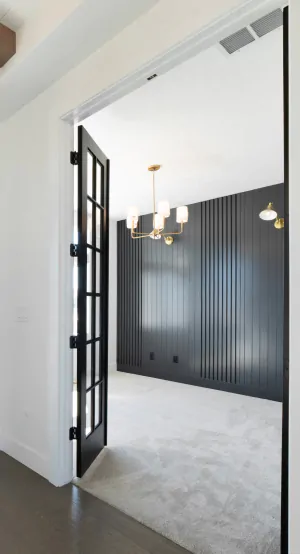
Ready to Get Started?
A whole-house renovation is a major undertaking — and choosing the right house renovation contractor in Eagle, Star, Boise, or anywhere in the Treasure Valley is the most important decision you’ll make. At Eliezer Custom Homes, we bring decades of hands-on carpentry experience, a commitment to transparent communication, and a process designed to deliver results you’ll love for decades.
Whether you’ve just purchased a fixer-upper or you’re ready to transform the home you’ve lived in for years, we’d welcome the chance to walk through your home, discuss your vision, and give you an honest assessment of what’s possible.