
ADU vs Guest House: What’s the Difference?
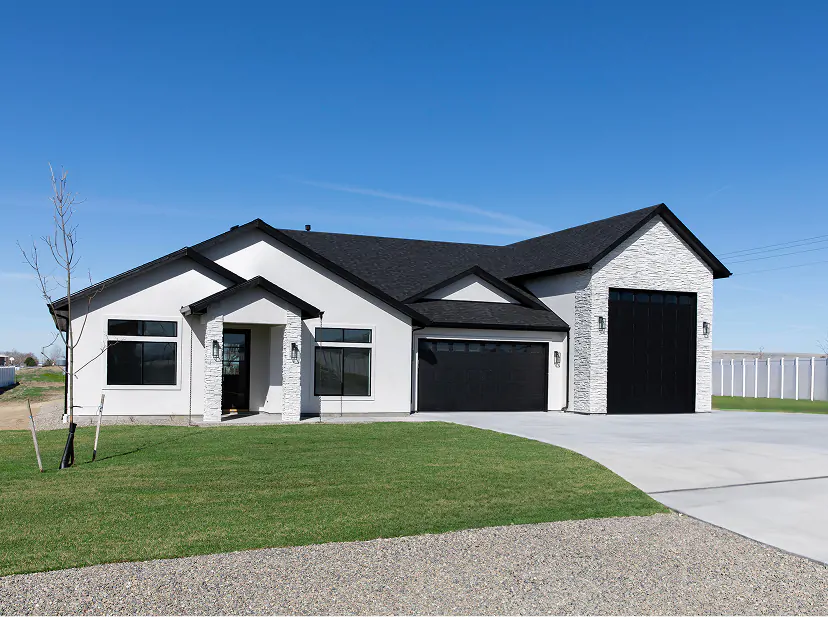
Comparing Features, Costs, and Use Cases
If you’re a homeowner in the Treasure Valley exploring ways to add living space to your property, you’ve probably come across two terms that seem interchangeable — ADU and guest house. While they share similarities, the legal, financial, and practical differences between an ADU vs guest house matter significantly when it comes to permitting, rental potential, and long-term property value in Idaho.
At Eliezer Custom Homes, we build both types of structures for homeowners across Star, Boise, Eagle, and Meridian. Here’s a clear breakdown to help you decide which is right for your property.
What Is an ADU?
An accessory dwelling unit (ADU) is a self-contained residential unit located on the same lot as a primary home. The key word is self-contained — an ADU has its own kitchen, bathroom, sleeping area, and entrance. It’s designed to function as an independent living space, even though it shares the lot with your main house.
ADUs come in several forms:
- Detached ADUs — standalone structures separated from the main home
- Attached ADUs — additions built onto the existing home with a separate entrance
- Garage conversions — existing garages converted into living space
- Basement ADUs — finished basements with separate access and full amenities
- Above-garage units — living spaces built above a new or existing garage
In Idaho, ADUs are governed by local zoning codes, and cities across the Treasure Valley have been gradually updating their ordinances to accommodate them. Boise, for example, has expanded ADU-friendly zoning in recent years to address housing density needs, while Star and Eagle have their own specific requirements.
What Is a Guest House?
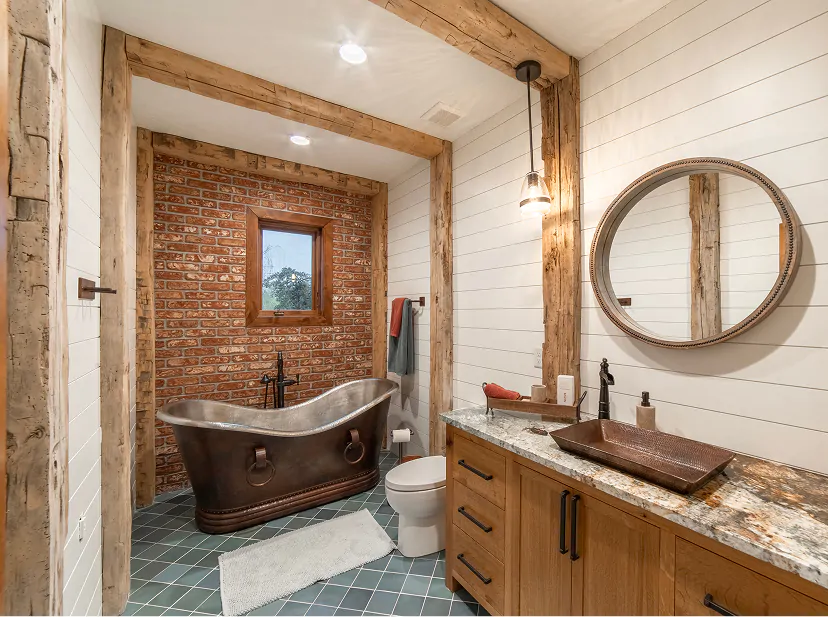
A guest house is a secondary structure on your property intended for temporary or occasional use by guests. The critical legal distinction in most Idaho jurisdictions is that a guest house typically does not include a full kitchen. It may have a bedroom, bathroom, sitting area, and even a kitchenette — but the absence of a full kitchen separates it from a legally defined ADU.
Guest houses are commonly used for:
- Hosting visiting family or friends
- Creating a private retreat or home office
- Providing space for older children or live-in help
Because a guest house isn’t classified as an independent dwelling unit, zoning and permitting requirements are often different — and in some cases, simpler.
Key Differences: ADU vs Guest House in Idaho
Both ADUs and guest houses in Idaho require careful planning, permitting, and compliance with local zoning regulations. While they may appear similar, important differences in classification, use, and long-term value can significantly impact your project.
Ada County (Boise, Eagle, Star, Meridian, Kuna, Garden City): Permits are issued through the city’s building department or, for unincorporated areas, through Ada County Development Services. You’ll need architectural plans, a site plan showing setbacks, structural engineering calculations, and energy compliance documentation. Plan review typically takes 2 to 4 weeks, though complex projects may take longer.
Canyon County (Nampa, Caldwell, Emmett): Canyon County handles permits through its Development Services department, with similar requirements. Processing times can vary but generally align with Ada County timelines.
We manage the entire permitting process for our clients — from preparing permit-ready drawings to scheduling and attending inspections. You’ll never have to stand in line at a permitting office or decipher code requirements on your own.
Designing Your Addition for Seamless Integration
The most important quality in any home addition is that it doesn’t look like an addition. Achieving that seamless integration requires attention to several key details:
- Exterior materials: We source matching siding, brick, stone, or stucco to blend the new construction with the original. When exact matches aren’t available (common with older homes), we find the closest alternative or re-side a portion of the original home to create visual continuity.
- Window and door styles: We match window profiles, muntins, trim styles, and glass types so the addition’s fenestration is consistent with the rest of the house.
- Interior flow: Transitions between old and new space should feel natural. We avoid awkward step-downs, misaligned hallways, or abrupt ceiling height changes.
- Landscaping integration: The area around your addition will need re-grading and landscaping to look intentional, not patched.
Comparing ADUs and Guest Houses Across Key Factors
Understanding the distinctions between these two structures helps you plan the right project from the start. Here’s how they compare across the factors that matter most to Idaho homeowners.

Legal Definition and Zoning Classification
The most important difference is legal classification. An ADU is considered a second dwelling unit on your property, which triggers specific zoning requirements in cities like Boise, Meridian, and Star. These can include lot size minimums, owner-occupancy requirements, setback distances, and parking provisions.
A guest house, because it lacks a full kitchen, is generally classified as an accessory structure rather than a dwelling unit. This distinction can simplify the permitting process but also limits how the space can be used.

Size Limits and Setback Requirements
ADU size limits across the Treasure Valley vary by municipality. Many cities cap ADU square footage relative to the primary home’s size or set absolute maximums. Setback requirements — how far the structure must sit from property lines — also apply and can be more restrictive for ADUs than for general accessory structures.
Guest houses may face different or fewer size restrictions depending on your city’s zoning code, but they still need to comply with building code, fire safety, and setback requirements.

Permitting and Inspections
Both ADUs and guest houses in Idaho require building permits, but the permitting path differs. An ADU construction project involves a full dwelling-unit permit, including inspections for electrical, plumbing, HVAC, and structural systems as an independent living space. In some Treasure Valley jurisdictions, you’ll also need to demonstrate adequate utility capacity for a second dwelling.
Guest house permits tend to follow the process for an accessory building, which may streamline the review but still requires compliance with residential building codes.

Cost Comparison
ADUs cost more to build than guest houses of the same square footage because they include a full kitchen, separate utility connections, and must meet all dwelling-unit building codes. In the Treasure Valley, a quality detached ADU typically ranges from $150,000 to $300,000+ depending on size, finishes, and site conditions like utility hookup distances and grading.
Guest houses without full kitchens cost less — roughly 15–25% less than a comparable ADU — because they require fewer plumbing runs, no gas line for a range, and fewer utility considerations.

Rental Income Potential
This is where the ADU vs guest house comparison often gets decisive. Because an ADU is a legal dwelling unit, it can typically be rented to long-term tenants in most Idaho cities, generating consistent monthly income. With Boise-area rents continuing to reflect the region’s growth, a well-designed ADU can bring meaningful returns.
Guest houses, since they aren’t classified as independent dwellings, face more restrictions around rental use. Some jurisdictions may not allow long-term rental of a guest house at all, while others have gray areas. If generating rental income is a primary goal, an ADU is almost always the better path.
Resale Value
Both structures add value to your property, but an ADU’s income-generating potential typically translates into a higher appraisal bump. Appraisers in the Boise market increasingly recognize ADUs as valuable additions, especially when they’re fully permitted with separate addresses and utilities. Guest houses add value as bonus space but are harder for appraisers to assign income-based value to.
Which Is Right for Your Idaho Property?
The best choice depends on your goals, budget, and property conditions.
Consider an ADU if you want to
- Generate rental income (long-term or potentially short-term)
- House an aging parent or adult child with full independence
- Maximize your property’s resale value
- Create a completely self-contained living spaceConsider a guest house if you want to
- Host visitors comfortably without building a full dwelling unit
- Create a home office, studio, or personal retreat
- Potentially simplify the permitting process
- Keep construction costs lowerYour lot size, local zoning rules, and HOA restrictions (if applicable) also play a major role. Properties in Star and Eagle with larger lots often have more flexibility for detached structures, while in-town Boise lots may face tighter setback and size constraints.
Idaho-Specific Considerations
Treasure Valley’s climate and building environment add a few factors worth noting:
- Winter construction: Both ADUs and guest houses can be built year-round in Idaho, but winter framing and foundation work require experienced scheduling and weather management. At Eliezer Custom Homes, we plan timelines to account for Idaho’s freeze-thaw cycles.
- Septic vs. sewer: Properties in Star and parts of Eagle and Emmett may be on septic systems. Adding an ADU to a septic property requires a capacity assessment and potentially an upgraded or expanded system. Guest houses with only a bathroom may have a lighter impact on septic capacity.
- Utility infrastructure: Some rural Treasure Valley properties need extended utility runs for ADUs, which affects overall cost. We assess this during our initial site evaluation so there are no surprises.
Frequently Asked Questions
Can I rent out a guest house in Idaho?
It depends on how the structure is classified. If it meets ADU requirements with a full kitchen, separate entrance, and compliant utilities, most Idaho municipalities allow long-term rental. Short-term rental rules vary by city — Boise, for example, has specific regulations for short-term rentals that differ from Star or Meridian.
What is the maximum size for an ADU in Idaho?
ADU size limits vary by city across the Treasure Valley. Many Idaho municipalities cap ADUs at around 50–75% of the primary home’s square footage or set a maximum of 800–1,000 square feet, though this varies. Check with your local planning and zoning department for exact limits in your city.
Does an ADU or guest house add more value to my home?
A fully permitted ADU with a kitchen, bathroom, and separate utilities typically adds more appraised value because it offers independent living and rental income potential. Guest houses without full kitchens are still valuable but are generally considered bonus living space rather than a separate unit, which limits their income potential and appraisal impact.
Do I need a separate address for an ADU in Boise?
In most cases, yes. Boise typically requires a separate address for an ADU since it functions as an independent dwelling unit with its own utilities and entrance. This also simplifies mail delivery, emergency services, and utility billing. Your builder and local planning department can guide you through the addressing process during permitting.
Our Recent Custom Homes
Proudly Building In

Star, ID
Boise, ID
Eagle, ID
Meridian, ID
Surrounding Treasure Valley Communities
Ready to Get Started?
Whether you’re leaning toward a fully independent ADU or a simpler guest house, the right first step is the same — understanding what your property allows and what it will take to build. We offer free consultations where we review your lot, zoning, and goals to help you make a confident decision.
Schedule a free consultation or call us today to talk through your project with the Eliezer Custom Homes team.