
Home Additions in Boise, Idaho — Expand Your Space Without Moving
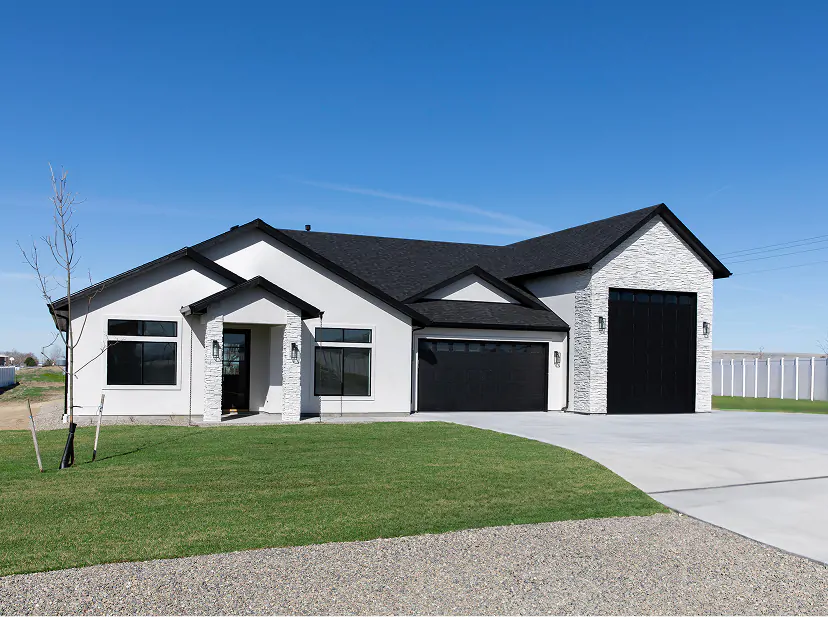
Create the Extra Living Space Your Family Needs
If your family has outgrown your home but you love your neighborhood, a home addition is the smartest way to get the space you need without the upheaval of moving. At Eliezer Custom Homes, we specialize in home additions in Boise, Idaho and throughout the Treasure Valley — from single-room expansions to full second-story builds. Based in Star, we’ve helped homeowners across Eagle, Meridian, Nampa, and surrounding communities transform cramped layouts into spacious, functional homes that feel like they were always meant to be.
Every addition we build is designed to look and feel like it was part of the original home — not a tacked-on afterthought. That means matching rooflines, siding, window styles, and interior finishes with precision, so your neighbors will never know where the old house ends and the new construction begins.
When Does a Home Addition Make More Sense Than Moving?
Before you start scrolling real estate listings, consider what a well-planned addition can accomplish. Moving involves real estate commissions (typically 5–6% of your sale price), closing costs on both sides of the transaction, moving expenses, and the stress of uprooting your family. In today’s Treasure Valley market, where median home prices have risen significantly over the past several years, those transaction costs alone can easily total $30,000 to $60,000.
A home addition lets you invest that money directly into the home you already own — in the neighborhood you chose for its schools, commute, or community. It’s especially compelling for homeowners in established areas like Boise’s North End, Eagle’s older subdivisions near the foothills, or the growing communities around Star and Meridian, where lot sizes and locations are increasingly hard to replicate at any price.
You should consider a home addition when:
- You need 200 to 1,000+ additional square feet but love your current location
- Your lot has room to expand (side yard, back yard, or vertical space)
- Your home’s existing structure is sound and well-maintained
- You want to customize the new space to your exact specifications — something you can’t get with an off-the-shelf resale home
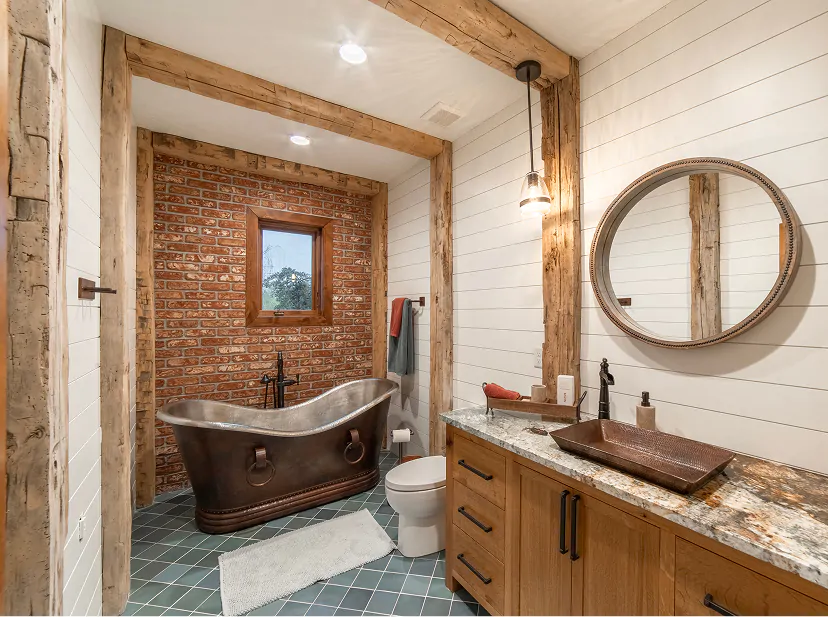
Types of Home Additions We Build
As an experienced house addition builder in the Treasure Valley, we design and construct a wide range of addition types. The best fit for your home depends on your lot, your existing structure, your budget, and how you plan to use the new space.

Room Additions
A room addition extends your home’s footprint outward — adding a new bedroom, family room, home office, or primary suite. This is the most common type of addition we build, and it works well for homes throughout the Treasure Valley that have adequate lot space. Room additions typically require new foundation work, roof framing that ties into your existing structure, and careful integration of HVAC, electrical, and plumbing systems.

Second-Story Additions
For homeowners who want significantly more space but have a limited lot footprint, a second-story addition effectively doubles your living area. This is a popular choice for ranch-style homes in Eagle and Star, where many single-story homes sit on generous lots but are constrained by setback requirements. A second-story addition in Eagle or surrounding areas requires detailed structural engineering — your existing foundation and walls must be evaluated and potentially reinforced to support the added load.

Bump-Out Additions
A bump-out is a smaller-scale addition — typically 2 to 15 feet — that extends a single room outward. Bump-outs are ideal for expanding a kitchen, enlarging a bathroom, or adding a breakfast nook without the cost and complexity of a full room addition. In many cases, a bump-out can be completed on a cantilevered frame, eliminating the need for new foundation work.

Wing Additions
A wing addition adds an entirely new section to your home, often connected by a short hallway or breezeway. This approach is common when homeowners want to add a primary suite, an in-law suite, or a home office that feels separate from the main living areas. Wing additions work particularly well on larger lots common in Star, Eagle, and rural areas outside Meridian.

Sunroom Additions
Idaho’s Treasure Valley enjoys over 200 sunny days per year, making sunroom additions a popular choice. A properly built sunroom features insulated glass, climate control, and a solid roof — it’s a true four-season living space, not a basic screened porch. We design sunrooms that handle both Boise’s hot summers and cold winters, with energy-efficient windows and adequate insulation to keep the space comfortable year-round.
Garage Additions with Living Space Above
If you need both storage and living space, a garage addition with a finished room above offers excellent value. The ground level provides covered parking, workshop space, or storage, while the upper level can serve as a guest suite, home office, bonus room, or even a rental unit. This type of addition also pairs well with our ADU construction services for homeowners interested in accessory dwelling units.
Structural Considerations for Idaho Homes
Building an addition isn’t just about framing walls and hanging drywall. Every addition involves complex structural decisions, and Idaho homes present specific challenges that your contractor must understand.
Foundation Types
Homes in the Treasure Valley typically sit on one of three foundation types: concrete slab-on-grade, crawl space, or full basement. Your addition’s foundation must match or be compatible with the existing structure. In Star and Meridian, where many newer homes are slab-on-grade, a room addition usually requires pouring a new slab that meets the same depth and specifications. For homes with crawl spaces (common in older Boise neighborhoods), we extend the crawl space foundation to maintain consistent support and access to plumbing and HVAC systems.
Load-Bearing Walls and Rooflines
Opening up an existing wall to connect your home to a new addition often means modifying or removing load-bearing walls. This requires a structural engineer’s analysis and proper header and beam installation. We work with licensed structural engineers on every project to ensure your home’s integrity is maintained — and improved — throughout the process.
Matching rooflines is equally critical. A mismatched roof pitch or awkward transition is the hallmark of a poorly planned addition. We carefully design every roofline connection to maintain the architectural flow of your home, whether it’s a contemporary Eagle foothill home or a traditional Star farmhouse.
Idaho Seismic and Soil Considerations
Idaho sits in a seismically active region, and local building codes reflect that reality. All structural work must meet current International Building Code (IBC) requirements as adopted by the State of Idaho, including seismic load calculations. Additionally, the Treasure Valley’s soil conditions — including expansive clay soils in some areas — require proper soil testing and foundation design to prevent settling and cracking.
Permitting in Ada County and Canyon County
Every structural home addition in the Treasure Valley requires building permits. The permitting process varies slightly between jurisdictions, but here’s what to expect:
Ada County (Boise, Eagle, Star, Meridian, Kuna, Garden City): Permits are issued through the city’s building department or, for unincorporated areas, through Ada County Development Services. You’ll need architectural plans, a site plan showing setbacks, structural engineering calculations, and energy compliance documentation. Plan review typically takes 2 to 4 weeks, though complex projects may take longer.
Canyon County (Nampa, Caldwell, Emmett): Canyon County handles permits through its Development Services department, with similar requirements. Processing times can vary but generally align with Ada County timelines.
We manage the entire permitting process for our clients — from preparing permit-ready drawings to scheduling and attending inspections. You’ll never have to stand in line at a permitting office or decipher code requirements on your own.
What to Expect From Start to Finish
Home addition projects in Idaho typically follow this timeline:
Design and Planning (4–8 weeks)
Initial consultation, site assessment, architectural design, material selections, and engineering review.
Architectural Design & Layout Development
Once we agree on direction, we move into design. We work with experienced architects and designers to create a layout that maximizes your available space, meets all code requirements, and reflects your personal style. You’ll see 2D floor plans and 3D renderings before anything is finalized.
Permitting (2–6 weeks)
Plan submission, review, revisions if needed, and permit issuance.
Framing and Structural Work (2–6 weeks):
Wall framing, roof framing, window and door installation, roof tie-in to existing structure.
Mechanical Systems (2–4 weeks)
HVAC extension, electrical wiring, plumbing rough-in.
Insulation, Drywall, and Finishes (3–6 weeks)
Insulation, drywall, flooring, trim, paint, fixtures, and final connections.
Final Inspections and Punch List (1–2 weeks)
Code inspections, touch-ups, client walkthrough.
Total: 3 to 8 months depending on the scope. A straightforward bump-out or single room falls toward the shorter end, while a second-story addition or large wing addition runs longer. Idaho’s winter months (December through February) can impact outdoor work, particularly foundation pouring and framing, so we plan schedules accordingly.
Designing Your Addition for Seamless Integration
The most important quality in any home addition is that it doesn’t look like an addition. Achieving that seamless integration requires attention to several key details:
- Exterior materials: We source matching siding, brick, stone, or stucco to blend the new construction with the original. When exact matches aren’t available (common with older homes), we find the closest alternative or re-side a portion of the original home to create visual continuity.
- Window and door styles: We match window profiles, muntins, trim styles, and glass types so the addition’s fenestration is consistent with the rest of the house.
- Interior flow: Transitions between old and new space should feel natural. We avoid awkward step-downs, misaligned hallways, or abrupt ceiling height changes.
- Landscaping integration: The area around your addition will need re-grading and landscaping to look intentional, not patched.
Energy Efficiency: Upgrade While You Build
An addition is the perfect opportunity to improve your home’s overall energy performance. Because we’re already opening walls, extending HVAC, and installing new insulation, the incremental cost of efficiency upgrades is much lower than retrofitting later.
We recommend these upgrades for Idaho homeowners:
- High-performance insulation: Spray foam or blown-in insulation in the new walls and attic space, often exceeding minimum code requirements. Idaho’s temperature swings — from 100°F summers to below-zero winter nights — make proper insulation essential.
- Energy-efficient windows: Low-E, double-pane or triple-pane windows reduce heat loss in winter and heat gain in summer.
- HVAC evaluation: Adding square footage strains your existing heating and cooling system. We evaluate whether your current system can handle the additional load or if it’s time for an upgrade — and if so, a high-efficiency system pays for itself faster in Idaho’s climate.
- LED lighting and smart controls: Since we’re running new electrical circuits, it’s easy to incorporate LED fixtures and smart home controls from the start.
How Home Additions Increase Property Value
A well-built addition is one of the best investments you can make in your Treasure Valley home. While the return on investment varies by addition type and market conditions, here’s what Idaho homeowners can generally expect:
- Primary suite additions tend to deliver the strongest returns, as primary bedrooms and bathrooms are top priorities for home buyers.
- Family room and great room additions add significant appeal, especially in homes where the original layout felt cramped.
- Kitchen expansions (often achieved through bump-outs) are consistently high-value improvements.
- Second-story additions add the most square footage per dollar, which can substantially increase your assessed value.
The key to maximizing ROI is quality construction and design. Additions that match the home’s style, use quality materials, and are built to code add real value. Poorly executed additions — even large ones — can actually detract from your home’s worth.
Specific Considerations for Treasure Valley Homes
Different communities across the Treasure Valley present unique opportunities and challenges for home additions:
- Star: Many homes in Star sit on larger lots (half-acre or more), giving homeowners plenty of room to expand outward. Star’s mix of newer subdivisions and older rural properties means we see everything from modern farmhouse additions to expansions of century-old homesteads.
- Boise: Boise’s established neighborhoods — especially the North End, East End, and Bench — feature older homes on smaller lots. Setback requirements are tighter, making second-story additions and bump-outs more practical than large ground-floor expansions. Historic district guidelines may also apply.
- Eagle: Eagle features a mix of custom homes in the foothills and subdivision homes in newer developments. Hillside lots require special engineering for foundations and drainage, while subdivision HOAs may impose architectural review requirements.
- Meridian: As one of Idaho’s fastest-growing cities, Meridian has many 1990s and 2000s-era subdivision homes that families are outgrowing. These homes are excellent candidates for additions, with generally good structural bones and adequate lot sizes.
Frequently Asked Questions
How much does a home addition cost in Boise, Idaho?
Home addition costs in the Boise area typically range from $150 to $350 per square foot, depending on complexity, finish level, and the type of addition. A standard single-room addition may start around $100,000, while a large second-story addition or wing can exceed $300,000. We provide detailed cost estimates during your initial consultation so there are no surprises.
Do I need a permit for a home addition in Ada County?
Yes. Any structural addition to your home in Ada County requires a building permit from your city’s building department or from Ada County Development Services for unincorporated areas. This includes room additions, second stories, and most bump-outs. We handle the entire permitting process on your behalf, including plan submissions and inspections.
How long does a home addition take to build in Idaho?
Most home additions in the Treasure Valley take between 3 and 8 months from design to completion. Simpler projects like bump-outs and single-room additions trend toward the shorter end, while second-story additions and large-scale wing additions require more time. Winter weather and permitting timelines can also affect the schedule.
Can I add a second story to my ranch-style home in Eagle or Star?
In many cases, yes — but it requires a thorough structural assessment of your existing foundation and walls. Many ranch homes in Eagle and Star were built on slab foundations that may need reinforcement to support a second floor. We begin every second-story project with a structural engineering evaluation to determine feasibility and develop a plan that protects your home’s structural integrity.
Is it cheaper to build an addition or buy a bigger house?
In today’s Treasure Valley market, a home addition is often more cost-effective when you factor in real estate commissions, closing costs, moving expenses, and potentially higher mortgage rates. Beyond the financial equation, an addition lets you stay in the neighborhood and schools you’ve chosen while getting exactly the space you need — designed to your specifications.
Will a home addition increase my property value?
A well-planned, well-built addition typically recoups 50% to 70% of its cost in added property value, with high-demand spaces like primary suites and family rooms often performing even better. The critical factor is quality — additions that integrate seamlessly with your home’s architecture and use quality materials add real value, while poorly executed additions can hurt your resale prospects.
Our Recent Custom Homes
Proudly Building In

Star, ID
Boise, ID
Eagle, ID
Meridian, ID
Surrounding Treasure Valley Communities
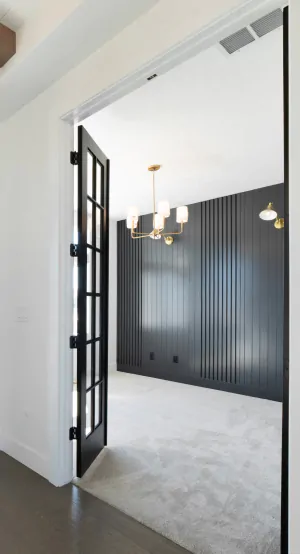
Ready to Get Started?
If you’re considering a home addition in Boise, Star, Eagle, Meridian, or anywhere in the Treasure Valley, we’d love to hear about your project. At Eliezer Custom Homes, we bring the same craftsmanship and attention to detail to every addition we build — whether it’s a modest bump-out or a full second story. Our process starts with a conversation about your goals, your home, and your budget, and we’ll give you an honest assessment of what’s possible.