
Detached ADU Construction in Boise & Treasure Valley
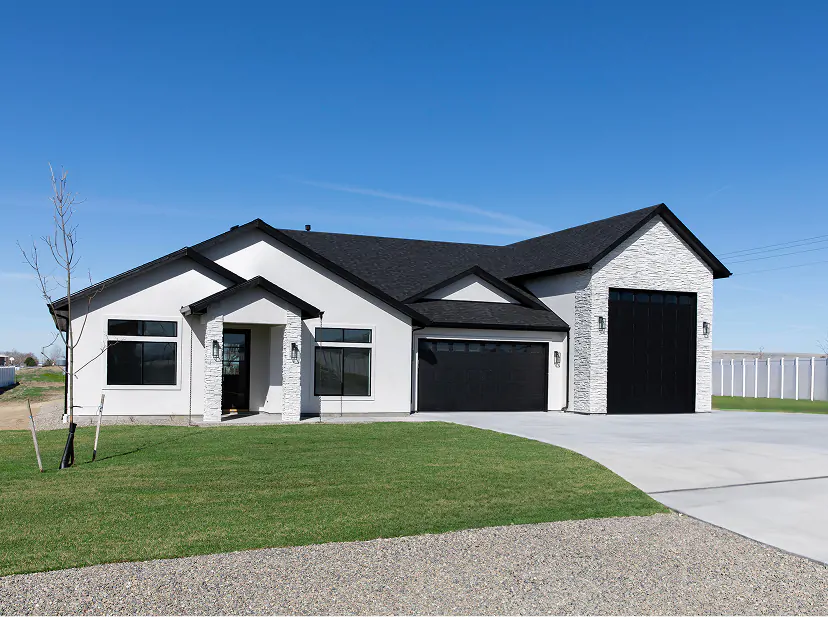
Independent Living Spaces Designed for Flexibility
A detached ADU is a standalone living space built separately from your primary home — offering the highest level of privacy, design flexibility, and long-term value of any accessory dwelling unit type. Whether you’re creating a backyard cottage in Boise, a rental unit in Eagle, or a detached guest house in Star, ID, Eliezer Custom Homes designs and builds detached ADUs that feel like true homes, not afterthoughts.
As Treasure Valley’s population continues to grow, more homeowners are discovering that a detached accessory dwelling unit in Idaho is one of the smartest investments they can make — adding rental income potential, multigenerational living options, and significant property value to their lot.
What Is a Detached ADU?
A detached ADU is a self-contained residential structure built on the same lot as an existing single-family home but physically separate from it. Unlike attached ADUs or basement conversions, a detached unit has its own foundation, walls, roof, entrance, kitchen, bathroom, and living space. It functions as a complete, independent home — just on a smaller scale.
Common names for detached ADUs include backyard cottages, granny flats, guest houses, casitas, and in-law suites. Regardless of the name, the defining feature is the same: a fully independent structure with a gap of open space between it and the primary residence.
In Treasure Valley, detached ADUs are becoming especially popular on the larger lots common in Star, Eagle, and parts of Meridian — where property sizes often range from a quarter acre to a full acre or more, giving homeowners plenty of room to build.
Benefits of Building a Detached ADU
Maximum Privacy for Everyone
Because a detached ADU is physically separated from the main house, both the primary residents and ADU occupants enjoy a level of privacy that no other ADU type can match. There are no shared walls, no footsteps overhead, and no competing schedules for shared spaces. This makes detached units ideal for long-term renters, aging parents who value independence, or adult children transitioning to their own space.
Strong Rental Income Potential
A well-designed detached ADU in the Boise metro area can command strong rental rates. The Treasure Valley rental market remains competitive, and a standalone cottage with its own entrance, yard space, and parking appeals to tenants willing to pay a premium for privacy. Many of our clients recoup a significant portion of their construction investment within just a few years of renting.
Flexible Design and Use
Because you’re building from the ground up on open land, a detached ADU offers the most design freedom. You’re not constrained by existing walls, rooflines, or structural limitations. This means we can optimize the layout, orientation, window placement, and architectural style to perfectly match your goals — whether that’s a modern studio for a home office, a one-bedroom cottage for guests, or a two-bedroom rental unit.
Increased Property Value
Across Idaho and nationally, homes with well-built ADUs consistently appraise higher than comparable properties without them. A detached unit, in particular, adds value because it can serve so many purposes — from rental income to guest housing to future resale appeal.
Idaho Zoning and Regulations for Detached ADUs
Zoning regulations for detached ADUs vary across Treasure Valley jurisdictions. Understanding the rules in your specific city is the first step toward a successful project. Here’s an overview of key requirements:
Boise R-1 Residential Zones
Boise has been one of the more progressive cities in Idaho regarding ADU regulations. In R-1 zones, detached ADUs are permitted on lots that meet minimum size requirements. Key rules include setback requirements (typically 5 feet from side and rear property lines for accessory structures), lot coverage limits that cap total building footprint as a percentage of lot area, and height restrictions that generally limit detached ADUs to one story or the height of the primary dwelling. Owner-occupancy of either the primary home or the ADU is required in most cases.
Star, Eagle, and Meridian
Each city maintains its own ADU ordinances. Star’s more rural lot sizes often provide ample space for detached construction, while Eagle’s larger estate lots can accommodate generous ADU footprints. Meridian has updated its ADU codes in recent years to support more housing options. We stay current on regulations across all Treasure Valley communities and handle the zoning research for every project.
Permits and the Approval Process
Building a detached ADU in Ada County or Canyon County requires a building permit, plan review, and multiple inspections. We manage the entire permitting process — from initial zoning verification through final occupancy approval — so you don’t have to navigate the bureaucracy alone.
Design Options for Detached ADUs
The beauty of a detached ADU is that it can be designed to fit nearly any need. Common configurations we build in the Treasure Valley include:
- Studio units (400–500 sq ft): Open-concept living with a kitchenette and full bathroom. Ideal for home offices that double as guest suites, or as affordable rental units.
- One-bedroom cottages (500–700 sq ft): A dedicated bedroom, full kitchen, bathroom, and living area. The most popular choice for long-term rental or aging parents.
- Two-bedroom units (700–900 sq ft): Suitable for small families or roommate situations. These require larger lots but provide the most rental income potential.
Every unit we build includes a full kitchen, bathroom, closet storage, and dedicated heating and cooling — because a detached ADU should feel like a real home, not a converted shed.
Construction Process and Foundation Considerations
Foundation Types for Idaho Soil
Treasure Valley soil conditions — a mix of clay, sand, and volcanic sediment — require careful foundation planning. For detached ADUs, we commonly use:
- Concrete slab-on-grade: The most cost-effective option for single-story units. We install proper vapor barriers and insulation beneath the slab to manage moisture and cold transfer during Idaho’s freezing winters.
- Crawl space foundations: Provide elevated access to plumbing and electrical runs, and work well on sloped lots common in the Boise foothills and parts of Eagle.
- Frost-protected shallow foundations: An efficient alternative that reduces excavation depth while meeting Idaho’s frost depth requirements (typically 30 inches in the Treasure Valley).
Utility Connections
A detached ADU needs water, sewer, electrical, and often gas connections. These can be extended from the primary home’s existing systems or set up with separate meters. Running utility trenches across your yard is one of the significant cost factors unique to detached units, and the distance between your main home and the ADU site directly affects this expense. We plan utility routing early in the design process to minimize disruption and cost.
Insulation and Energy Efficiency
Idaho winters regularly bring temperatures below freezing, and summer highs can push past 100°F. We build every detached ADU with high-performance insulation — typically R-21 or higher in walls, R-49 in ceilings, and insulated flooring over crawl spaces. Combined with energy-efficient windows, a properly sized heat pump or mini-split system, and careful air sealing, your ADU will stay comfortable year-round without excessive energy bills.
Timeline: What to Expect
A typical detached ADU project in the Treasure Valley follows this general timeline:
- Design and planning (4–8 weeks): Initial consultation, site evaluation, architectural design, and engineering.
- Permitting (4–8 weeks): Plan submission, review, and approval through your local jurisdiction.
- Site preparation and foundation (2–3 weeks): Excavation, utility trenching, and foundation work.
- Framing through dry-in (3–4 weeks): Framing, roofing, windows, and doors installed.
- Mechanical, electrical, and plumbing (2–3 weeks): All systems roughed in and inspected.
- Interior finishes and final inspections (4–6 weeks): Drywall, flooring, cabinetry, fixtures, paint, and landscaping restoration.
Total project duration from design kickoff to move-in is typically 6 to 10 months. Weather can be a factor — Idaho’s winter conditions may affect scheduling for foundation and exterior work, which is why we recommend starting the planning process in fall or winter for a spring groundbreaking.
Cost Factors for a Detached ADU in Boise
Every detached ADU project is unique, but the primary cost drivers include:
- Size and layout complexity — A 400 sq ft studio costs significantly less than a 900 sq ft two-bedroom unit.
- Foundation type — Slab-on-grade is the most affordable; crawl spaces and basements add cost.
- Utility distance — The farther the ADU sits from your main home’s utility connections, the more trenching and piping is required.
- Finish level — Standard finishes vs. custom cabinetry, premium countertops, and high-end fixtures.
- Site conditions — Slope, soil quality, access for equipment, and tree removal can all affect preparation costs.
We provide fully transparent, line-item estimates before construction begins. No hidden fees, no surprise change orders. That’s a commitment we make on every Eliezer Custom Homes project.
Frequently Asked Questions
How much does it cost to build a detached ADU in Boise?
A detached ADU in the Boise area typically costs between $150,000 and $350,000 depending on size, finishes, and site conditions. Factors like foundation type, utility connections, and design complexity all affect the final price. We provide detailed, transparent estimates during your free consultation.
What are the size limits for a detached ADU in Boise?
In Boise’s R-1 residential zones, detached ADUs are generally limited to 900 square feet or a percentage of the primary dwelling’s floor area, whichever is less. Maximum height is typically limited to one story or the height of the primary residence. Specific limits vary by zoning district, so verifying with the local planning department is essential before design begins.
Do I need a separate address and utilities for a detached ADU in Idaho?
In most Treasure Valley jurisdictions, a detached ADU can share the primary home’s address or receive a secondary address. Utility connections can be shared with the main home or set up with separate meters. Separate meters are recommended if you plan to rent the unit, as they simplify billing and make the ADU more attractive to tenants.
How long does it take to build a detached ADU?
From permit approval to completion, a detached ADU in the Treasure Valley typically takes 4 to 7 months depending on size and complexity. The permitting process itself can add 4 to 8 weeks. We handle all permit applications and inspections so you can focus on the exciting parts of your project.
Can I rent out a detached ADU in Star or Boise, Idaho?
Yes. Both Boise and Star allow long-term rental of ADUs. Short-term rental rules vary by jurisdiction and may require additional permits. A detached ADU designed for rental income can be a strong investment, often generating $1,000 to $1,800 per month in the current Treasure Valley market.
Our Recent Custom Homes
Proudly Building In

Star, ID
Boise, ID
Eagle, ID
Meridian, ID
Surrounding Treasure Valley Communities
Ready to Get Started?
If you’ve been thinking about building a detached ADU on your Treasure Valley property, we’d love to help you explore your options. From initial site evaluation and zoning research through design, permitting, and construction, Eliezer Custom Homes handles every step with the craftsmanship and transparency you deserve. Schedule a free consultation to discuss your project, or call us today to get started.