Boise, Idaho, is a city rich with history, its streets lined with beautiful older homes that tell stories of a bygone era. From the charming Queen Annes in the North End to the classic bungalows dotting the Bench, these properties possess a character and craftsmanship that is hard to replicate. However, living in an older home often means dealing with outdated systems and structural components that have weathered decades of use. While the vintage charm is undeniable, ensuring the home is safe, stable, and efficient requires a thoughtful approach to structural renovations.
Embarking on a renovation for an older Boise home is more than a simple cosmetic update; it’s an investment in its longevity and your family’s comfort. This process involves addressing the very bones of the house—its foundation, framework, roof, and essential systems. For homeowners who love their historic property but need it to function for modern life, understanding the scope of structural renovations is the first step. With a team like Eliezer Custom Homes, you can preserve the soul of your home while enhancing its structural integrity for generations to come.
This guide will explore the unique challenges and substantial benefits of performing structural renovations on older Boise homes. We will cover critical updates from foundation to roof, the importance of modernizing plumbing and electrical, and how to navigate the process with an experienced builder.
Understanding the Unique Character of Boise’s Older Homes
Before diving into the specifics of renovation, it’s important to appreciate what makes Boise’s historic homes special. Neighborhoods like the North End, East End, and the Boise Bench are treasure troves of architectural history, with many homes built in the late 19th and early 20th centuries. These houses were constructed using materials and methods that differ significantly from today’s standards.
Common Architectural Styles and Their Quirks
- Victorian and Queen Anne: Known for their asymmetrical designs, ornate detailing, steep roofs, and large porches. Structurally, they can present challenges with complex rooflines, aging lath-and-plaster walls, and foundations made of stone or brick.
- Craftsman Bungalows: Popular in the 1910s and 1920s, these homes feature low-pitched roofs, wide eaves, and prominent front porches. Their construction is often robust, but they may have undersized floor joists or original knob-and-tube wiring that needs immediate attention.
- Mid-Century Ranches: Found throughout the Boise Bench, these homes from the 1950s and 60s are known for their single-story layouts and simpler designs. While more modern, they can still have issues with galvanized steel plumbing, ungrounded electrical systems, and inadequate insulation.
Each style comes with its own set of potential structural weaknesses. Years of seasonal changes, from snowy winters to hot, dry summers, can take a toll. Understanding these inherent characteristics is crucial for planning effective remodeling and renovations.
The Foundation: The Bedrock of Your Renovation
The structural integrity of any home begins with its foundation. In older Boise properties, foundations were often constructed from materials like fieldstone, river rock, or unreinforced concrete, which are susceptible to degradation over time. A thorough foundation inspection is the non-negotiable first step in any major renovation.
Signs of Foundation Trouble in Older Homes
- Cracks in Walls or Ceilings: Large, jagged, or stair-step cracks in drywall or plaster, especially around door and window frames, are a red flag.
- Sticking Doors and Windows: If doors and windows become difficult to open or close, it could indicate the house is settling or shifting due to foundation movement.
- Uneven or Sloping Floors: A noticeable slant in the floors is a classic sign that the foundation and supporting structures are no longer level.
- Water Intrusion: Dampness, pooling water, or musty smells in the basement or crawl space often point to cracks or inadequate waterproofing in the foundation walls.
Common Foundation Repairs and Upgrades
If your inspection reveals issues, several solutions can restore stability.
- Crack Sealing and Repair: For minor cracks, epoxy injections can seal them and prevent water from getting in. This is often a first-line defense against further damage.
- Underpinning and Piering: When significant settling has occurred, underpinning is necessary. This process involves extending the foundation’s depth or breadth to transfer the load to more stable soil. Helical piers, push piers, or concrete piers are installed beneath the existing foundation to lift and stabilize the structure. This is a complex job that requires specialized engineering and expertise.
- Basement Waterproofing: Many older Boise homes have basements that were not designed to be dry living spaces. Modern waterproofing solutions, including interior drain tile systems, sump pumps, and exterior waterproof membranes, can transform a damp, unusable basement into valuable living space.
- Seismic Retrofitting: Idaho is in a seismically active region. Older homes, particularly those with unreinforced masonry foundations (like brick or stone), are vulnerable to earthquake damage. Seismic retrofitting involves bolting the house to its foundation and bracing crawl space walls to prevent the structure from sliding off during a tremor. This is a vital safety upgrade for any older home in the area.
A solid foundation is essential before any other major work, such as additions or significant interior remodeling, can begin.
Framing and Structural Support: Reinforcing the Bones
Once the foundation is secure, the next focus is the home’s frame—the skeleton that supports the floors, walls, and roof. Over the decades, wood framing can be compromised by moisture, pests, or simple aging.
Identifying Framing Issues
A professional contractor will look for several key problems during an initial assessment:
- Sagging Floors and Ceilings: This can be caused by undersized or over-spanned joists, or by the removal of load-bearing walls during previous, poorly executed renovations.
- Wood Rot and Termite Damage: Moisture from leaky pipes or roofs can lead to wood rot, weakening structural members. Termites and other wood-boring insects can also silently destroy floor joists, support beams, and wall studs.
- Out-of-Plumb Walls: Walls that lean or bow inward or outward signal a problem with the framing or the foundation beneath them.
Solutions for Reinforcing a Home’s Structure
- Sistering Joists: To correct sagging floors, new joists are installed alongside the old, weakened ones. This “sistering” technique adds strength and helps level the floor above.
- Installing New Beams and Columns: If a load-bearing wall was improperly removed, a structural engineer can specify a new laminated veneer lumber (LVL) beam or steel I-beam to carry the load. This is often necessary to create the open-concept living spaces many homeowners desire today.
- Replacing Damaged Framing: Any wood that shows signs of rot or pest damage must be completely removed and replaced. This is critical to stop the problem from spreading and to restore the home’s structural integrity.
- Adding Shear Walls: In a process similar to seismic retrofitting the foundation, plywood sheathing can be added to key interior walls to create “shear walls.” These walls help the structure resist lateral forces from wind or earthquakes, preventing racking and collapse.
Strengthening the frame not only makes the house safer but also provides a solid base for all future finishes. A reputable company will have the experience needed to build your dream home on a solid and reliable frame.
The Roof: Your Home’s First Line of Defense
The roof protects everything underneath it from the elements. In an older home, the roof structure itself might need as much attention as the shingles on top.
Common Roofing Problems in Older Boise Homes
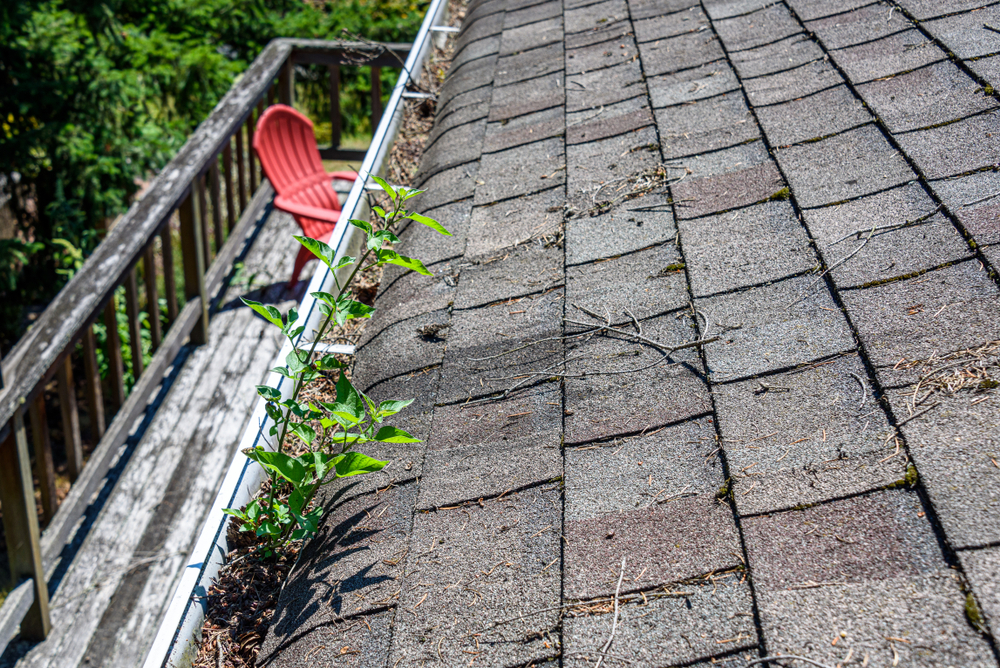
- Aging Materials: Original roofing materials like slate or wood shake may be beautiful, but they have a finite lifespan and can be difficult and expensive to repair. More common asphalt shingles typically last 20-30 years.
- Inadequate Ventilation: Proper attic ventilation is crucial for preventing ice dams in the winter and reducing heat buildup in the summer. Older homes often lack sufficient soffit and ridge vents, leading to moisture problems and premature roof aging.
- Leaky Flashing: The metal flashing around chimneys, vents, and valleys is a common failure point. Deteriorated flashing allows water to seep into the attic and walls.
- Structural Sagging: A roof that visibly sags or droops may have broken or undersized rafters or collar ties. This is a serious structural issue that needs immediate correction.
Modern Roofing Solutions
A full roof replacement is often the best long-term solution for an older home.
- Structural Repair: Before new shingles go on, the underlying structure must be addressed. This includes replacing any rotted sheathing or decking and reinforcing or replacing weak rafters.
- Modern Materials: Today’s architectural shingles offer superior durability, wind resistance, and longevity compared to older 3-tab shingles. Metal roofing is another excellent, long-lasting option that fits well with both traditional and modern aesthetics.
- Upgrading Ventilation: A professional roofer will install a balanced ventilation system with intake vents (at the soffits) and exhaust vents (at the ridge) to ensure proper airflow through the attic.
- Ice and Water Shield: This self-adhering membrane is installed along the eaves, in valleys, and around penetrations. It provides a critical secondary barrier against water intrusion from ice dams and wind-driven rain—a must-have for Idaho’s climate.
A new, properly installed roof not only protects your investment but can also improve your home’s energy efficiency and curb appeal.
Modernizing Essential Systems: Plumbing and Electrical
Beyond the visible structure, the hidden systems within the walls are just as critical for safety and functionality. Outdated plumbing and electrical systems are not just inconvenient; they can be genuinely hazardous.
The Risks of Old Electrical Systems
Many Boise homes built before the 1950s still contain knob-and-tube wiring. This system, with its ceramic knobs and tubes insulating wires running through wall cavities, is obsolete and poses several risks:
- No Ground Wire: Knob-and-tube wiring is ungrounded, which increases the risk of electrical shock and damage to sensitive modern electronics.
- Insulation Hazard: The system was designed to dissipate heat into open air. Covering it with modern insulation creates a serious fire hazard.
- Deterioration: The original rubberized cloth insulation on the wires becomes brittle and can flake off over time, exposing live wires.
Even homes from the 60s and 70s may have unsafe aluminum wiring or electrical panels with insufficient capacity for today’s power demands. A complete rewire and a new electrical panel are often necessary to bring an older home up to code and safely power a modern lifestyle.
Upgrading Outdated Plumbing
Galvanized steel and cast-iron pipes were the standard for decades, but they are prone to significant problems over time.
- Corrosion and Blockages: Galvanized pipes corrode from the inside out, restricting water flow and leading to low water pressure. The corrosion can also flake off, discoloring the water.
- Leaks and Failures: After 50-60 years, these pipes can begin to leak or fail entirely, causing catastrophic water damage.
- Sewer Line Issues: Original sewer lines made of clay or cast iron can be crushed by soil movement or infiltrated by tree roots, causing persistent backups.
A full repipe with modern PEX or copper supply lines and PVC drain lines is a major undertaking but is one of the most valuable structural upgrades you can make. It ensures clean water, great pressure, and peace of mind for decades.
The Eliezer Custom Homes Approach to Structural Renovations
Navigating the complexities of a structural renovation requires a builder with specific expertise in older homes. It demands a deep understanding of historic construction methods, a keen eye for potential problems, and the skill to integrate modern systems seamlessly without destroying the home’s character. For more information about us and our approach, we pride ourselves on a process built on transparency and collaboration.
The Consultation and Assessment Phase
The journey begins with a thorough consultation. We don’t just look at your design ideas; we look at your house. Our team performs a comprehensive structural assessment, from the foundation to the roof, to identify existing issues and anticipate challenges. We believe in uncovering potential problems early to create a realistic budget and timeline. This is where we discuss your vision for the space and how it aligns with the structural realities of your home.
Engineering and Design Integration
For significant structural changes—like removing load-bearing walls, altering rooflines, or correcting foundation issues—we work closely with structural engineers. They provide the precise calculations and plans needed to ensure every change is safe and sound. Our design team then integrates these structural requirements into a cohesive and beautiful plan that honors your home’s original aesthetic while delivering modern functionality.
Preserving Character While Modernizing
Our philosophy is to preserve what makes your older home special. We work to save original woodwork, match historic trim profiles, and restore unique architectural features whenever possible. When modernizing systems, our craftsmen are skilled at carefully opening walls and floors to run new wiring and plumbing with minimal disruption to the home’s historic fabric. The goal is a finished project where the modern upgrades feel as though they’ve always been there.
A Commitment to Quality and Communication
Throughout the construction process, we maintain open lines of communication. You will have a dedicated project manager who provides regular updates and is available to answer your questions. We understand that living through a major renovation can be disruptive, and we work to manage the project efficiently and respectfully. To start the conversation about your project, you can contact us to schedule a free consultation.
The Long-Term Benefits of Structural Renovations
Undertaking a major structural renovation is a significant investment, but the returns are equally substantial.
- Safety and Peace of Mind: The most important benefit is knowing your home is structurally sound, with safe electrical and plumbing systems and a weather-tight envelope.
- Improved Functionality and Comfort: Modernized systems provide better water pressure, ample electrical capacity, and improved energy efficiency, leading to a more comfortable living environment and lower utility bills.
- Increased Property Value: Homes with updated foundations, roofs, and mechanical systems are highly desirable. These renovations significantly increase your property’s market value, providing a strong return on investment.
- Preservation of a Legacy: By reinvesting in its core structure, you are not just improving a house; you are preserving a piece of Boise’s history for another generation to enjoy.
Renovating an older Boise home is a journey of transformation. It’s about respecting the past while building for the future. By addressing the fundamental structural components of your property, you create a safe, durable, and beautiful home that seamlessly blends historic charm with the comforts and conveniences of modern life. With an expert partner like Eliezer Custom Homes, you can confidently navigate the challenges and unlock the full potential of your cherished older home.
Crafting Beautiful, Quality Homes
Here at Eliezer Custom Homes, we are committed to delivering exceptional quality and service to our clients. Our team is made up of highly skilled professionals who have extensive experience in the construction industry.
Contact Us