The Treasure Valley is an outdoor enthusiast’s paradise. From the rugged peaks of the Sawtooth Mountains to the serene waters of Lucky Peak Lake, the opportunities for adventure are endless. It is no wonder that so many residents in Boise, Meridian, Eagle, and Nampa own recreational vehicles. An RV represents freedom—the ability to pack up and go whenever the mountains call. However, owning an RV in Idaho comes with a significant logistical challenge: where do you put it when you aren’t using it?
For many, the dream of RV ownership is slightly dampened by the reality of expensive off-site storage fees, strict Homeowners Association (HOA) rules against driveway parking, and the harsh toll that Idaho’s weather takes on vehicles left outdoors. This is where RV garage additions in the Treasure Valley become a game-changer.
Building a dedicated structure for your motorhome, fifth wheel, or travel trailer is more than just a home improvement project; it is an investment in your lifestyle. At Eliezer Custom Homes, we specialize in creating custom storage solutions that protect your recreational investments while seamlessly integrating with your existing home.
In this comprehensive guide, we will explore why building an RV garage is one of the smartest decisions a Treasure Valley homeowner can make. We will cover the design considerations, the construction process, and the long-term benefits of bringing your RV home.
The Challenge of RV Ownership in Idaho
To understand the value of an RV garage, we first have to look at the problems it solves. The Treasure Valley has a distinct climate and specific neighborhood regulations that make outdoor parking difficult.
The Idaho Weather Factor
Idaho experiences four distinct seasons, each presenting unique threats to an RV parked outside.
- Intense Summer Sun: The high desert sun is brutal. UV rays are the number one enemy of RV exteriors. They fade decals, chalk fiberglass, dry out roof seals, and crack tires. Over time, sun exposure can lead to leaks that cause thousands of dollars in water damage.
- Winter Freeze: Snow loads on an RV roof can cause structural issues, while freeze-thaw cycles can damage plumbing and seals. Scraping ice off a massive windshield is not how anyone wants to start a trip.
- Wind and Dust: High winds can drive dust into every crevice of your rig, clogging vents and damaging finishes.
The HOA Dilemma
Many neighborhoods in our area have strict Covenants, Conditions, and Restrictions (CC&Rs). It is common for HOAs in Eagle and Meridian to prohibit parking RVs in driveways or on the street for more than 24 to 48 hours. This forces homeowners to shuttle their rigs back and forth from storage lots, turning a spontaneous weekend trip into a logistical headache.
The Cost of Off-Site Storage
Renting a secure, covered storage space for a large RV can cost hundreds of dollars a month. Over ten years, you could easily spend $30,000 or more on rent—money that offers zero return on investment. That capital could instead be used to build equity in your own property through a custom RV garage.
The Benefits of Building an RV Garage Addition
When you choose to build an RV garage addition, you are solving these problems permanently. But the benefits go beyond just “a place to park.”
1. Ultimate Convenience
Imagine this: It is Friday afternoon. Instead of driving 30 minutes to a storage lot, navigating a tight gate, and hoping your battery isn’t dead, you simply walk through a door in your home. Your RV is plugged in, the fridge is cold, and you can load your clothes and food directly from your kitchen. When you return on Sunday night, you don’t have to rush to unload before returning the rig to storage. You can unpack at your leisure. This level of convenience means you will likely use your RV more often.
2. superior Protection and Maintenance
An enclosed, climate-controlled space extends the life of your RV significantly.
- Seal Protection: Without constant UV exposure, your roof and window seals stay pliable longer, preventing leaks.
- Tire Preservation: Tires won’t dry rot from sun exposure or develop flat spots from sitting on freezing ground.
- Finish Quality: Your RV will look brand new for years, maintaining its resale value.
Furthermore, having the RV at home allows you to perform maintenance tasks easily. You can wash, wax, and tinker with your rig in the comfort of your own garage, regardless of the weather outside.
3. Increased Property Value
RV storage solutions in Idaho are in high demand. As more people move to the Treasure Valley for the outdoor lifestyle, properties with dedicated RV bays are becoming highly coveted. An attached RV garage is a premium feature that sets your home apart in the real estate market. It appeals not just to RV owners, but also to boat owners, car collectors, and hobbyists who need large workshop spaces.
4. Versatility of Space
While we call it an “RV garage,” it is really a massive, flexible space. The high ceilings and deep bays are perfect for:
- Boat Storage: Wakeboard boats with towers fit easily.
- Workshops: The vertical space allows for car lifts or tall machinery.
- Sport Courts: Many families install basketball hoops or batting cages indoors for winter play.
- Mezzanine Storage: The height allows you to build a loft for incredible amounts of storage without eating up floor space.
To see how an RV garage fits into the broader scope of home expansion, visit our Additions page.
Key Design Considerations for Your RV Garage
Building an RV garage is different from building a standard car garage. The scale is massive, and the technical requirements are specific. Designing it correctly from the start is crucial to avoid costly mistakes.
1. Sizing: Go Big or Go Home
The most common regret homeowners have is building the garage too small. You might have a 30-foot travel trailer now, but what if you upgrade to a 45-foot Class A diesel pusher in five years?
- Length: Aim for at least 45 to 50 feet deep. This accommodates almost any RV and leaves room to walk around the back or set up a workbench.
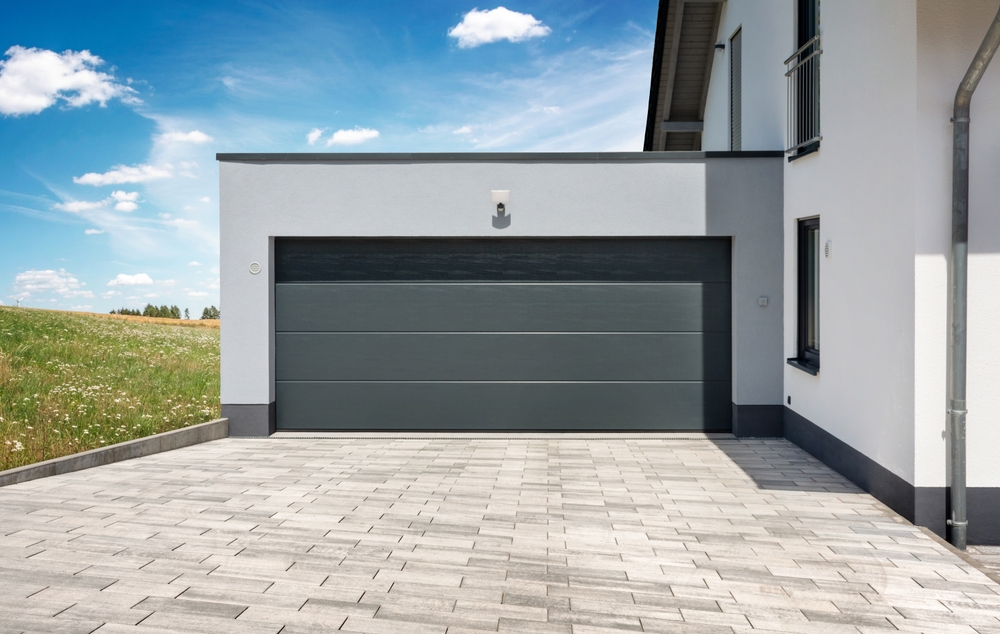
- Height: Standard garage doors are 7 or 8 feet high. An RV garage needs a door that is at least 12 feet high, preferably 14 feet, to clear AC units and satellite dishes. The interior ceiling height should be 16 feet or more.
- Width: Don’t just measure the width of the RV. You need room to extend your slide-outs for cleaning and loading. A width of 16 to 18 feet is ideal for a single bay.
2. Attached vs. Detached
Deciding whether to attach the garage to your home or build a standalone structure depends on your lot layout and architectural goals.
- Attached: Offers the best convenience and is easier to heat. However, blending a massive 16-foot tall structure with a single-story home can be architecturally challenging.
- Detached: Allows for more design freedom and keeps the massive structure from overwhelming the main house. It can be placed further back on the property or angled to maximize driveway access.
3. Structural Strength
RVs are heavy. A 40-foot motorhome can weigh 30,000 to 50,000 pounds. A standard 4-inch concrete slab might crack under that point load. For custom RV garages, we typically pour a thicker slab (5 to 6 inches) using high-strength concrete (4000+ PSI) and reinforced with rebar to ensure it can handle the weight without failure.
4. Electrical and Hookups
To get the most out of your RV garage, it needs to function like a campsite.
- Power: Install a 50-amp (or 30-amp) outlet so you can keep the batteries charged and run the AC or heater while parked.
- Sewer: A sanitary cleanout (dump station) located inside or just outside the garage door is incredibly convenient for emptying tanks after a trip.
- Water: A hose bib inside the garage allows you to fill tanks and wash the vehicle. Ideally, install a hot and cold water mix for washing.
5. Ventilation and Heating
If you plan to run the RV engine or a generator inside (even for a few minutes), ventilation is critical. We recommend installing an exhaust fan system. Additionally, climate control is a major plus. A mini-split heat pump system is an efficient way to keep the space tempered, preventing your water lines from freezing in winter and making the space comfortable for working in summer.
For inspiration on how we integrate these technical needs into beautiful designs, browse our Remodeling & Renovations gallery.
Navigating Zoning and HOAs
Before we dig the first shovel of dirt, we have to tackle the paperwork. The Treasure Valley is a patchwork of city codes and neighborhood rules.
City Zoning
Boise, Meridian, Eagle, Nampa, and Star all have different regulations regarding:
- Accessory Structure Height: Some zones limit the height of detached structures. This can be tricky when you need a 14-foot door. We may need to apply for a variance or design a roof pitch that stays within limits while offering internal clearance.
- Setbacks: You cannot build right up to the property line. Side and rear setbacks usually range from 5 to 10 feet, or more for taller structures.
- Lot Coverage: You are limited in the percentage of your lot that can be covered by roofed structures.
Architectural Review
If you live in an HOA, you will likely need approval from an Architectural Review Committee (ARC). They will often require that the RV garage matches the main home in siding, roofing material, and color. They may also have rules about “massing”—ensuring the garage doesn’t look too bulky compared to the house.
At Eliezer Custom Homes, we handle this due diligence. We review your CC&Rs and city codes early in the process to ensure your dream garage is legally buildable.
The Construction Process with Eliezer Custom Homes
Building an RV garage is a significant construction project. Here is how we guide you through it.
Step 1: Consultation and Feasibility
We start by visiting your property. We look at the access—can you actually swing a 40-foot RV into the proposed driveway? We check the slope of the land and discuss your budget. We want to hear about your current RV and your future plans.
Step 2: Custom Design
We don’t use cookie-cutter plans. We design the garage to fit your lot and your aesthetic. We create 3D renderings so you can see exactly how the addition will look next to your house. This is the stage where we solve the “curb appeal” challenge, using rooflines and architectural details to make the large structure look intentional and beautiful.
Step 3: Permitting
We submit the engineering and architectural plans to the city or county. We handle all the back-and-forth with the building department to secure the necessary permits.
Step 4: Foundation and Framing
This is where the scale becomes apparent. We excavate, pour the heavy-duty foundation, and begin framing. Because of the wall height, we often use engineered lumber (LSL studs) to ensure the walls are perfectly straight and strong enough to withstand wind loads.
Step 5: Systems and Finishes
We install the electrical, plumbing, and HVAC systems tailored to RV use. Then we move to finishes—drywall, paint, flooring, and the installation of the massive garage door.
To learn more about our philosophy and commitment to quality, read our About Us page.
Architectural Integration: Making It Look Good
One of the biggest fears homeowners have is that an RV garage will look like a warehouse or a barn attached to their nice home. Aesthetic integration is a specialty of custom RV garages.
- Stepped Rooflines: Instead of one giant wall, we can step the roof down or use dormers to break up the mass.
- Matching Materials: We source the exact stone, brick, or siding used on your main home.
- Detailing: We add pergolas, corbels, or carriage-style hardware to the garage doors to add character.
- Landscaping: Strategic planting of trees and shrubs can soften the corners of the building and help it settle into the landscape.
Cost Factors for RV Garage Additions
The cost of an RV garage in the Treasure Valley varies widely based on size and finishes. Here are the main cost drivers:
- Foundation: As mentioned, the heavy-duty concrete work is more expensive than standard residential flatwork.
- Door Costs: A custom 14-foot insulated garage door with an automatic opener is a significant line item.
- Height: working at heights (scaffolding, lifts) increases labor costs for framing, siding, and roofing.
- Interior Finish: A fully finished, insulated, and heated garage with epoxy floors will cost more than an unfinished shell.
While the upfront cost is significant, it is important to weigh it against the saved storage fees and the increased resale value of your home. In our market, an RV garage often returns a high percentage of its cost upon resale because they are so scarce and desirable.
Why Choose Eliezer Custom Homes?
We are builders, but we are also neighbors. We understand the Idaho lifestyle because we live it. We know why you want to protect your RV, and we know how to build the structure that does it best.
Our approach is built on transparency and communication. We guide you through the complex decisions regarding placement, height, and aesthetics. We ensure that your new addition adds value to your home rather than detracting from it.
Whether you are looking to build a standalone “toy barn” or a sophisticated addition attached to your primary residence, we have the expertise to deliver.
To understand our full range of capabilities, visit our page on how to Build Your Dream Home with Eliezer Custom Homes.
Frequently Asked Questions
Do I need a special permit for an RV garage?
Yes, like any addition, you need a building permit. Because of the height and size, the structural engineering review is often more rigorous than for a standard shed.
Can I include living quarters in my RV garage?
Absolutely. We often build “Guest Suites” or “Mother-in-Law” apartments above or adjacent to RV garages. This maximizes the utility of the foundation and roof you are already paying for. However, this changes the permitting process as it becomes a habitable space (ADU).
How long does it take to build?
A typical RV garage project takes 3 to 5 months from breaking ground to completion, depending on complexity and weather.
Start Planning Your Adventure Basecamp
Your RV is your ticket to exploring the beautiful world around us. Don’t let the stress of storage and maintenance hold you back. By investing in RV garage additions in the Treasure Valley, you are securing your investment and enhancing your freedom.
Imagine a home where your adventure rig is safe, clean, charged, and ready to roll at a moment’s notice. No more scraping ice, no more sun-faded decals, and no more monthly storage bills.
If you are ready to discuss the possibilities for your property, we are here to help. We can evaluate your lot, discuss your needs, and sketch out a plan that works for you.
Visit Eliezer Custom Homes to view our portfolio. When you are ready to take the next step, contact us to schedule a consultation. Let’s build a home for your adventure.
Crafting Beautiful, Quality Homes
Here at Eliezer Custom Homes, we are committed to delivering exceptional quality and service to our clients. Our team is made up of highly skilled professionals who have extensive experience in the construction industry.
Contact Us