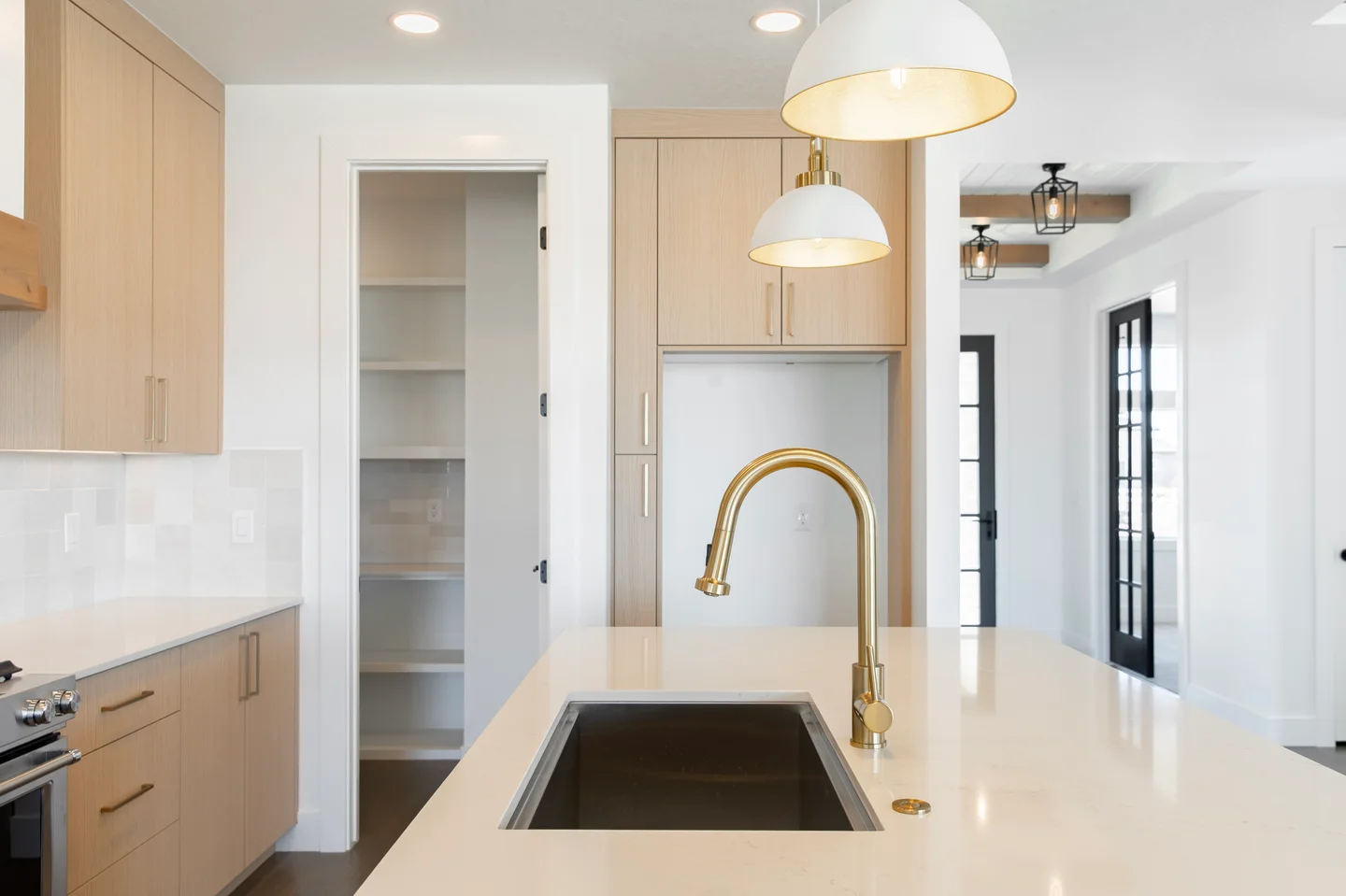

Embarking on a home renovation project is an exciting venture. It’s an opportunity to transform your living space, enhance its functionality, and increase its value. However, the success of your project hinges almost entirely on one crucial decision: choosing the right remodeling contractor. A quick search for “remodeling contractor near me” will yield countless options, but how do you sift through them to find a reliable, skilled, and trustworthy partner?
This comprehensive guide will walk you through the essential steps to select the perfect contractor for your project. We’ll cover everything from initial research and vetting to understanding contracts and spotting red flags. Making an informed choice will ensure your renovation journey is smooth, and the final result meets, or even exceeds, your expectations. The right contractor doesn’t just build or renovate; they bring your vision to life with professionalism and care.
The Importance of Choosing the Right Contractor
A home remodel is a significant investment of both time and money. The contractor you hire is the captain of this ship, responsible for navigating the complexities of the project, managing timelines, overseeing budgets, and ensuring quality craftsmanship. The wrong choice can lead to a cascade of problems, including shoddy work, blown budgets, extended timelines, and immense stress.
On the other hand, partnering with a team of trusted remodeling experts provides peace of mind. A professional contractor brings expertise, established processes, and a network of skilled tradespeople to the table. They handle the permits, coordinate the plumbers and electricians, and solve the unexpected problems that inevitably arise. This allows you to focus on the exciting aspects of the renovation, like choosing finishes and watching your dream space take shape. Ultimately, the right contractor is the difference between a renovation nightmare and a dream-home reality.
Step 1: Defining Your Project and Budget
Before you even begin your search for a contractor, you need a clear vision for your project. Without a solid plan, it’s impossible to get accurate bids or compare contractors effectively.
Create a Detailed Project Scope
Start by outlining exactly what you want to achieve. Are you planning a complete kitchen overhaul, a simple bathroom refresh, or a major structural change? Be as specific as possible.
- List Your “Must-Haves”: What are the non-negotiable elements of your renovation? This could be a kitchen island, a walk-in shower, or adding a new window for more natural light.
- Create a “Wish List”: What features would be nice to have if the budget allows? Heated floors in the bathroom or high-end smart appliances might fall into this category.
- Gather Inspiration: Collect images from magazines, Pinterest, or design websites that reflect the style and finishes you love. This visual guide will be invaluable when communicating your vision to potential contractors.
Having a detailed scope helps contractors understand the complexity and scale of your project, enabling them to provide a more accurate and detailed estimate.
Establish a Realistic Budget
Your budget is one of the most critical components of your renovation plan. It will guide every decision, from the materials you choose to the contractor you hire.
- Research Costs: Get a general idea of what different types of renovations cost in your area. Look at remodeling cost-vs-value reports online for local benchmarks.
- Determine Your Maximum Spend: Decide on the total amount you are willing and able to invest in the project.
- Include a Contingency Fund: Always set aside an extra 10-20% of your total budget for unexpected issues. In any renovation, especially in older homes, surprises can be hiding behind the walls. A contingency fund prevents these surprises from derailing your project.
A clear budget allows you to have honest conversations with contractors about what is feasible. A reputable contractor will respect your budget and work with you to find solutions that align with your financial parameters.
Step 2: The Search for a Qualified Contractor
With your plan and budget in hand, it’s time to start looking for a “remodeling contractor near me.” The goal at this stage is to compile a list of 3-5 promising candidates.
Ask for Referrals
Word-of-mouth is one of the most reliable ways to find a great contractor.
- Friends, Family, and Neighbors: Ask people in your network who have recently completed renovations. They can provide firsthand accounts of their experiences, both good and bad.
- Real Estate Agents and Architects: These professionals often work closely with contractors and can recommend reputable companies they trust.
- Local Hardware Stores: Employees at specialty supply houses for lumber, tile, or plumbing fixtures often know which contractors do quality work and pay their bills on time.
Utilize Online Resources
The internet is a powerful tool for finding local contractors, but it requires careful vetting.
- Professional Association Websites: Organizations like the National Association of the Remodeling Industry (NARI) or the National Association of Home Builders (NAHB) have directories of members who are often held to a higher standard of ethics and professionalism.
- Review-Based Platforms: Websites like Houzz, Angi, and the Better Business Bureau (BBB) provide customer reviews, ratings, and details about a contractor’s business history. Pay attention to the overall sentiment and how a contractor responds to negative feedback.
- Local Online Searches: A simple search for “home renovation services” in your city will give you a list of local companies. Look for contractors with a professional website that showcases their work through a portfolio of completed projects.
The Benefits of Hiring a Local Contractor
When searching, prioritize local contractors who are established in your community. A local company like Eliezer Custom Homes offers several distinct advantages. They have an in-depth understanding of local building codes, permit processes, and climate-specific considerations. They have also built relationships with local suppliers and subcontractors, which can lead to smoother project execution and better pricing. Furthermore, a local contractor has a reputation to uphold within the community, making them more accountable for the quality of their work.
Step 3: Vetting Your Shortlist of Contractors
Once you have a list of potential contractors, the real due diligence begins. This vetting process is crucial to ensure you are hiring a legitimate, qualified, and reliable professional.
Check Credentials and Insurance
This is a non-negotiable step. A professional contractor must be properly licensed and insured to protect you from liability.
- Licensing: Verify that the contractor holds the necessary state and local licenses for the work you need done. You can typically check this on your state’s licensing board website. An unlicensed contractor is a major red flag.
- Insurance: Ask for proof of two types of insurance.
- Liability Insurance: This covers property damage that might occur during the project. For example, if a worker accidentally damages your neighbor’s fence or causes a water leak that ruins your hardwood floors.
- Workers’ Compensation: This protects you if a worker is injured on your property. Without it, you could be held financially responsible for their medical bills and lost wages.
Do not just take their word for it. Ask for the insurance certificates and call the insurance provider to confirm that the policies are current.
Scrutinize Their Portfolio and References
A picture is worth a thousand words, and a portfolio shows the quality and style of a contractor’s work.
- Review Their Portfolio: Look for projects that are similar in scope and style to yours. Do they have experience with the type of remodeling and renovations you are planning? Pay attention to the details and the quality of the finishes.
- Ask for References (and Call Them): Request a list of 3-5 recent clients, preferably with projects similar to yours. When you call these references, go beyond asking “Were you happy?” Ask specific questions:
- Did the project stay on budget?
- Was the project completed on time?
- How was the communication throughout the process?
- Were you happy with the quality of the work and the professionalism of the crew?
- How did the contractor handle problems or changes?
- Would you hire them again?
Read Online Reviews with a Critical Eye
Online reviews can be helpful, but they should be considered as part of a larger picture. Look for patterns in the feedback. If multiple reviews mention poor communication or scheduling delays, it’s a potential red flag. Conversely, if numerous clients praise a contractor’s attention to detail and clean job site, it’s a very positive sign. Notice how the business responds to any negative reviews. A professional and constructive response is a much better sign than a defensive or aggressive one.
Step 4: Meeting Contractors and Comparing Bids
After narrowing your list to 2-3 top contenders, it’s time to meet them in person at your home. This meeting is as much about assessing their professionalism and communication style as it is about discussing your project.
The Initial Consultation
During the consultation, pay attention to how the contractor interacts with you.
- Do they listen to your ideas? A good contractor will listen carefully to your needs and wants.
- Do they offer creative solutions or suggestions? Their experience should allow them to provide valuable input that could improve your project or save you money.
- Are they professional and respectful? Their demeanor during this initial meeting is often indicative of how they will behave throughout the project.
- Do they ask good questions? A thorough contractor will ask detailed questions about your project, your lifestyle, and your goals for the space.
This meeting is your chance to see if you can build a good working relationship with this person. Remember, they will be in your home for weeks or even months.
Understanding and Comparing Bids
Each contractor you meet should provide you with a detailed, written bid. Never accept a verbal quote. When the bids come in, don’t just look at the bottom-line price. A low bid is often a warning sign of lower-quality materials, inexperienced labor, or an incomplete scope of work.
A proper bid should be a comprehensive document that includes:
- A Detailed Scope of Work: A line-by-line description of all the work to be performed.
- Material Specifications: Details on the types and quality of materials to be used (e.g., brand of windows, type of tile).
- Labor Costs: The cost for the labor involved in each part of the project.
- Payment Schedule: A clear schedule outlining when payments are due at different stages of completion.
- Estimated Timeline: A projected start date and completion date.
Compare the bids side-by-side. If one bid is significantly lower than the others, ask the contractor why. They may have misunderstood the scope, or they may be cutting corners. A transparent contractor will be able to justify their pricing. Choosing the cheapest option can often be the most expensive mistake in the long run.
Step 5: Sealing the Deal with a Solid Contract
Once you’ve selected your contractor, the final step before work begins is to sign a contract. This legal document is your single most important form of protection. It should be thorough, specific, and clear to everyone involved.
Key Elements of a Remodeling Contract
Review the contract carefully before signing. Ensure it includes all the details you discussed and agreed upon. A solid contract should contain:
- Contractor Information: Full name, address, phone number, and license number.
- Your Information: Your full name and the address of the project.
- Detailed Scope of Work: An exhaustive list of all work to be done, including demolition, construction, installation, and finishing work. This should reference the bid document.
- Materials and Allowances: A complete list of all materials, including quantities, brand names, and model numbers. For items you haven’t selected yet (like light fixtures or faucets), the contract should include an “allowance”—a dollar amount allocated for that item.
- Total Price and Payment Schedule: The total cost of the project and a clear schedule of payments tied to project milestones (e.g., 10% on signing, 25% after demolition and framing, etc.). Avoid contractors who ask for a large upfront payment (more than 10-15% is often a red flag, though this can vary by state law).
- Project Schedule: Start and completion dates, acknowledging that these can be affected by unforeseen circumstances.
- Change Order Process: A detailed explanation of how changes to the original plan will be handled. All changes should be documented in writing, priced, and signed by both you and the contractor before the new work begins.
- Lien Waivers: A provision for the contractor to provide you with lien waivers from subcontractors and suppliers. This proves they have been paid and protects you from having a lien placed on your property.
- Warranty Information: A statement detailing the contractor’s warranty on their workmanship.
- Dispute Resolution Clause: An outline of the process for resolving any disagreements.
If you are unsure about any part of the contract, do not hesitate to ask for clarification. For very large projects, it may be wise to have an attorney review the document.
Ready to Find Your Trusted Remodeling Partner?
Choosing the right remodeling contractor is a process that requires patience and diligence. By defining your project, conducting thorough research, carefully vetting candidates, and demanding a comprehensive contract, you set the stage for a successful and satisfying renovation.
The goal is to find more than just a builder; you want to find a partner who will respect your home, your budget, and your vision. A team of trusted remodeling experts will guide you through every step, ensuring the final result is a space you will love for years to come.
If you are looking for home renovation services in the Boise area, consider a local, reputable company dedicated to quality craftsmanship and client satisfaction. At Eliezer Custom Homes, we pride ourselves on our transparent process and commitment to excellence. We understand that we’re not just building projects; we’re building dreams.Contact us today to schedule a free consultation and discuss how we can bring your vision to life.
Crafting Beautiful, Quality Homes
Here at Eliezer Custom Homes, we are committed to delivering exceptional quality and service to our clients. Our team is made up of highly skilled professionals who have extensive experience in the construction industry.
Contact Us