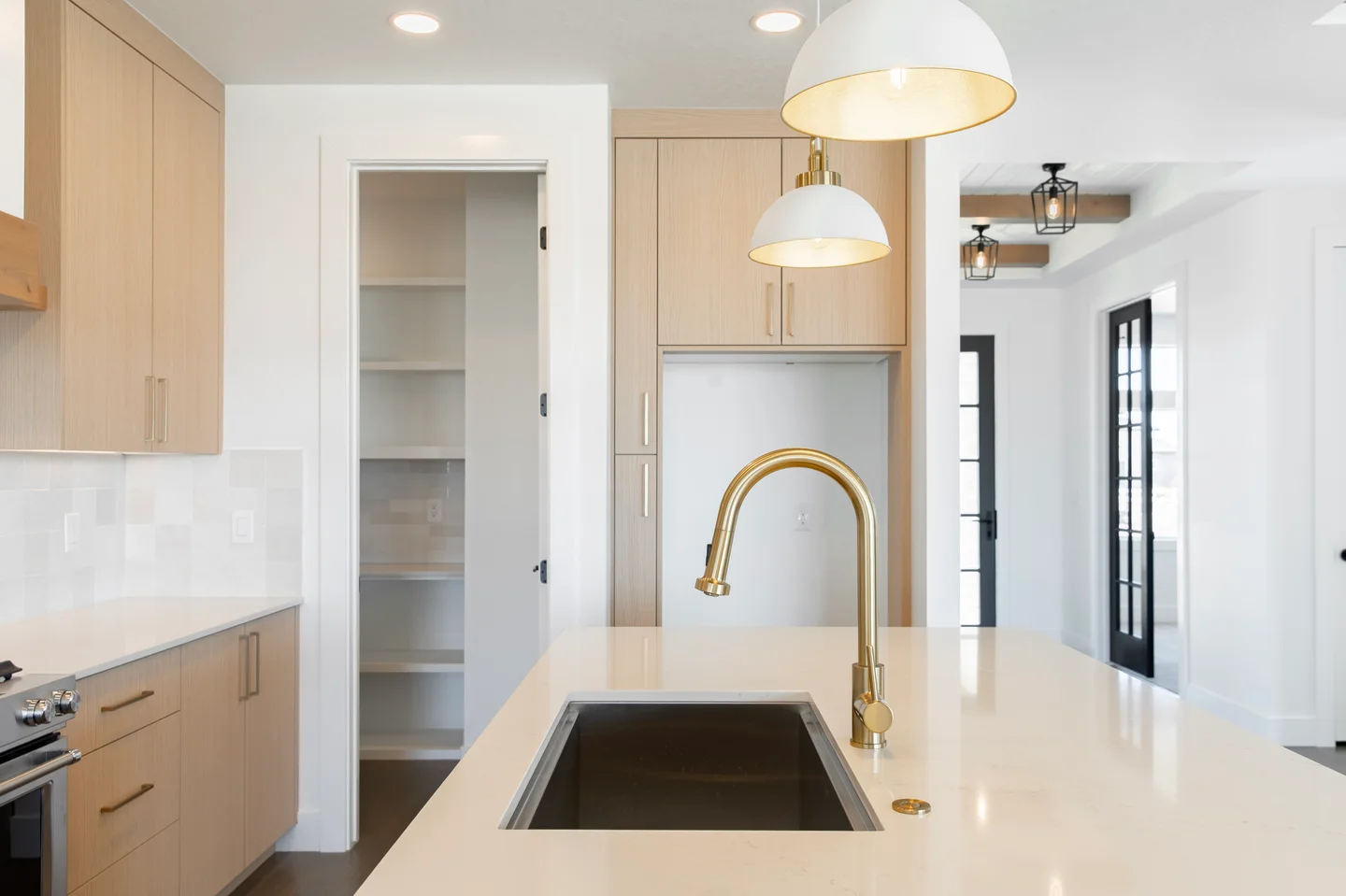
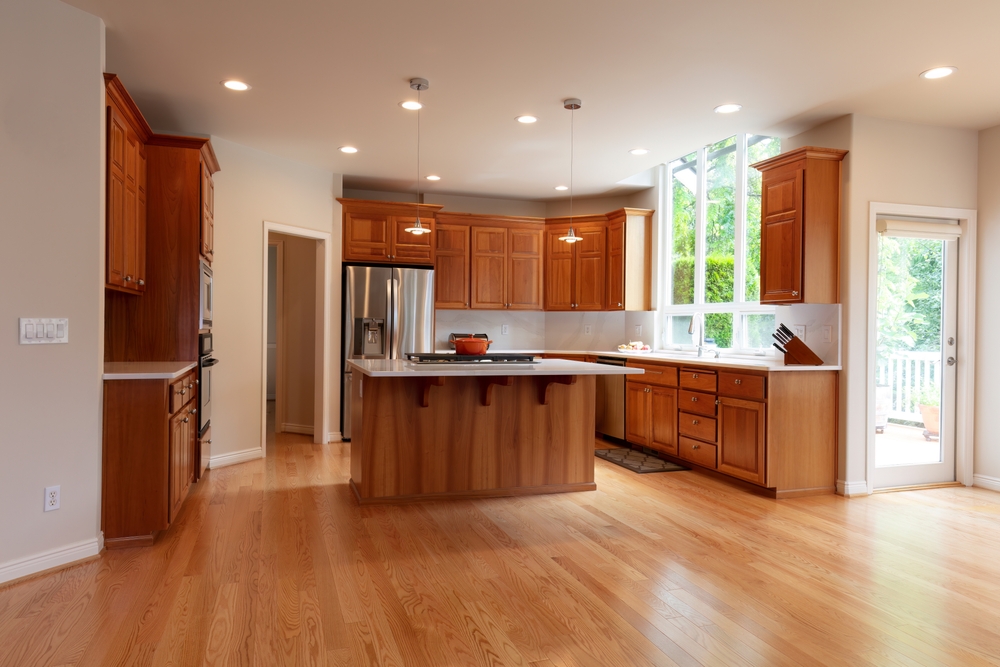
The way we live in the Treasure Valley has changed. Gone are the days when cooking was a solitary act performed in a closed-off room at the back of the house while guests sat politely in a formal parlor. Today, life in Boise, Meridian, Eagle, and Star is fluid. We want to chop vegetables while helping our kids with homework. We want to chat with friends over a glass of wine while the pasta boils. We want sunlight to spill from the backyard patio all the way to the front door.
This shift in lifestyle has driven the explosive popularity of the open-concept kitchen remodel. It is more than just a design trend; it is a fundamental rethinking of the home’s architecture to match the way modern families actually interact.
However, tearing down walls is not as simple as swinging a sledgehammer. Creating a successful open-concept space requires structural expertise, thoughtful zoning, and a cohesive design vision. It’s about creating flow without losing function.
At Eliezer Custom Homes, we have helped countless homeowners across the Treasure Valley unlock the potential of their homes through transformative remodeling. In this guide, we will explore everything you need to know about open-concept kitchen remodels—from the structural engineering to the aesthetic details that make a large space feel cozy.
Why Open-Concept is King in Idaho
Why has this layout taken such a firm hold in our region? The answer lies in the intersection of our geography, our architecture, and our culture.
1. Maximizing Natural Light
The Treasure Valley enjoys distinct seasons, but winters can be gray. Older homes with segmented rooms often feel dark and cavernous. By removing partition walls, light from windows on multiple sides of the house can penetrate the interior. A kitchen that was once dim suddenly benefits from the morning sun in the dining room and the evening glow from the living room.
2. The Social Kitchen
Idahoans are known for their hospitality. Whether it’s a casual game night or a formal holiday dinner, we love to host. An open layout ensures the host is never isolated. The kitchen becomes the stage, and the island becomes the front row seats. This connectivity is crucial for families, allowing parents to keep an eye on toddlers in the living room while prepping dinner.
3. Creating an Illusion of Space
Real estate in the Treasure Valley is valuable. If you can’t add square footage through additions, opening up the interior is the next best thing. Merging a 150-square-foot kitchen with a 200-square-foot dining room creates a single 350-square-foot great room that feels significantly larger than the sum of its parts. It improves traffic flow and makes the home feel grander.
4. Resale Value
Walk into any open house in Eagle or Meridian, and you will see that open concepts sell. Buyers prioritize “flow” and “sightlines.” Updating a compartmentalized 1990s home to a modern open layout is one of the most effective ways to increase property value in our current market.
The Structural Reality: What Does It Take?
The dream is often simple: “Just take out that wall.” The reality is usually more complex. Before you start picking out backsplash tile, you need to understand the bones of your house.
Load-Bearing vs. Partition Walls
Not all walls are created equal. A partition wall just divides space; removing it is relatively easy. A load-bearing wall, however, holds up the roof or the second story.
- Identification: In many Treasure Valley homes—especially ranch-style homes in Boise or two-story builds in Meridian—central walls are structural. You cannot simply remove them without consequence.
- The Solution: Removing a load-bearing wall requires installing a structural beam (header) to carry the weight. This beam can be hidden in the ceiling (flush beam) for a seamless look, or left exposed (drop beam) for a rustic or industrial aesthetic.
rerouting Systems
Walls are often highways for your home’s infrastructure. Inside that drywall, you might find:
- HVAC Ducts: Moving cold air returns or supply vents is common but requires careful planning to ensure the new large room is heated and cooled evenly.
- Plumbing: If your upstairs bathroom is directly above the wall you want to remove, there’s likely a drain stack running through it.
- Electrical: Switches and outlets will need to be relocated, often to the side of the new opening or into the kitchen island.
This is where the expertise of a general contractor is non-negotiable. At Eliezer Custom Homes, our team assesses these structural challenges during the initial consultation of your remodeling and renovations project, ensuring that your open concept is safe and code-compliant.
Designing for “The Great Room”
Once the walls are gone, you are left with one large, undefined space. The danger of open-concept living is the “warehouse effect”—a big, echoing room that lacks warmth or purpose. The key to a successful remodel is zoning.
Visual Anchors
You need elements that define where the kitchen ends and the living area begins without using walls.
- The Island: In an open kitchen, the island is the most critical piece of furniture. It acts as the bridge between the cooking zone and the living zone.
- Flooring Transitions: While running the same flooring throughout makes the space feel bigger, using area rugs helps define the “living room” conversation area and the “dining room” eating area.
- Ceiling Treatments: We often use coffered ceilings, beams, or dropped soffits over the kitchen area to subtly distinguish it from the family room while maintaining the open feel.
Acoustic Control
One often-overlooked challenge of open layouts is noise. The sound of a blender, the dishwasher running, or pots clanging travels straight to the person trying to watch TV.
- Soft Surfaces: Incorporate curtains, rugs, and upholstered furniture to absorb sound.
- Quiet Appliances: When the kitchen is part of the living room, a 40-decibel dishwasher is worth the investment.
- Sound-Dampening Drywall: If we are opening up walls, we can use specialized drywall or insulation to reduce sound transfer to bedrooms.
Cohesive Design Language
In a closed kitchen, you could have bright yellow cabinets that don’t match the rest of the house. In an open concept, the kitchen furniture must harmonize with the living room furniture.
- Color Palette: Carry colors from the living room throw pillows into the kitchen backsplash or island color.
- Materiality: If you have a stone fireplace in the living area, consider using the same stone on the kitchen island facing to tie the room together.
The Kitchen Island: The Heart of the Open Plan
If the open concept is the kingdom, the island is the throne. In Treasure Valley remodels, we see the island taking on multiple roles.
The Galley Island
For long, rectangular spaces, a long island parallel to the main cooking wall works best. It provides a massive prep surface and a buffet line for entertaining.
The L-Shaped Island
This creates a conversational seating arrangement. Instead of guests sitting in a straight line (like at a diner counter), an L-shape allows them to face each other, making it more conducive to social interaction.
The Double Island
In luxury homes in Star or Eagle with ample square footage, two islands are better than one.
- Island 1 (The Workhorse): Contains the prep sink, trash pull-out, and cutting board storage.
- Island 2 (The Socialite): Strictly for seating, homework, and serving food. No faucets or cooktops to clutter the surface.
Storage: The “Mess” Problem
The biggest critique of open-concept kitchens is: “Where do I hide the mess?” When there are no walls, your dirty dishes are on display for the whole house to see.
The Butler’s Pantry Solution
This is the secret weapon of the open concept. By carving out a small, enclosed room (often by stealing space from a hallway or garage), we create a “dirty kitchen.”
- Function: This is where the coffee maker, toaster, and blender live. It’s where you stack the dessert plates during a party.
- Design: It keeps the main kitchen counters clutter-free, preserving the sleek look of the open space.
Appliance Garages
If a pantry isn’t possible, we build cabinetry with retractable doors that sit on the countertop. You can slide the doors open to use your appliances and slide them shut to hide the chaos instantly.
The Deep Sink
We recommend extra-deep, single-basin farmhouse sinks. They are deep enough to hide a stack of dinner plates or a large pot from view of the living room sofa.
Lighting the Open Space
Lighting becomes more complex when walls come down. You need a lighting plan that allows you to control the mood in different zones independently.
Layering is Key
- Task Lighting: Bright, focused light over the counters and island for chopping and reading recipes.
- Ambient Lighting: General illumination for the whole room (recessed cans).
- Accent Lighting: Soft light for the evening. When you are watching a movie in the living room, you don’t want the kitchen to be pitch black, nor do you want it blazing bright. Under-cabinet lighting or dimmed pendants provide a gentle glow that serves as a nightlight.
Dimmers Everywhere
Every switch in an open-concept great room should be on a dimmer. This gives you total control over the atmosphere. You can “turn down” the kitchen when dinner is over, shifting the focus to the fireplace.
Case Study Scenarios in the Treasure Valley
To help you visualize the possibilities, let’s look at how open-concept remodels apply to specific types of local homes.
Scenario A: The North End Bungalow
The Problem: A historic home in Boise with a tiny kitchen separated from a small dining room by a wall, and a living room separated by an archway.
The Open-Concept Solution: We remove the wall between the kitchen and dining room to create a kitchen-diner. Since space is tight, we might use a peninsula instead of an island to save floor space while opening sightlines. We keep the archway to the living room to preserve historic charm while improving flow.
Scenario B: The 1990s Meridian Subdivision Home
The Problem: A large home with a “formal living room” at the front that is never used, and a kitchen/family room at the back that is crowded.
The Open-Concept Solution: We remove the wall separating the formal dining/living area from the kitchen. This repurposes the unused square footage, allowing for a massive expansion of the kitchen into the former dining room. The result is a sprawling entertainment space that utilizes the entire footprint of the main floor.
Scenario C: The Eagle Custom Build Update
The Problem: A home built in 2005 with good bones but weird angles and heavy columns that block views.
The Open-Concept Solution: We remove the decorative columns and straighten out angled islands. We install a large multi-slide door system to connect the new open kitchen directly to the patio, effectively doubling the entertaining space in the summer.
Common Pitfalls to Avoid
As experienced builders, we have seen where open-concept projects can go wrong.
1. Losing Too Much Storage
When you take down a wall, you lose the upper cabinets that were on that wall.
- The Fix: You must compensate with a large island with storage on both sides, or a floor-to-ceiling pantry wall elsewhere in the kitchen.
2. Ignoring Flooring Gaps
When a wall is removed, there will be a strip of raw subfloor where the wall plate used to be.
- The Fix: Ideally, you replace the flooring in the entire area for a seamless look. If you are keeping existing hardwoods, they will need to be “toothed in” (weaving new boards into old) and the entire floor sanded and refinished to match.
3. Poor Ventilation
In a closed kitchen, cooking smells stay contained. In an open kitchen, frying bacon smells like frying bacon in the bedroom.
- The Fix: Invest in a high-quality range hood with a high CFM (Cubic Feet per Minute) rating that vents to the exterior, not just recirculates air. It’s essential for odor control.
Cost Considerations for Treasure Valley Homeowners
An open-concept remodel is typically more expensive than a “remove and replace” remodel because of the structural and systems work involved.
- Engineering & Beams: Expect to budget several thousand dollars for structural engineering and the steel or glulam beams required to replace load-bearing walls.
- Flooring: Since you are likely redoing the floors in the kitchen and the connecting living spaces to create continuity, the square footage for flooring material and labor increases.
- Electrical/HVAC: Moving mechanicals adds labor hours to the project.
However, the Return on Investment (ROI) is substantial. Open floor plans are consistently at the top of buyer wish lists in Idaho. Even if you aren’t selling soon, the investment in your daily quality of life—the ability to be together as a family—is invaluable.
For a more accurate understanding of potential costs, we recommend scheduling a consultation where we can look at your specific home’s structure. You can reach out via our Contact Us page.
Is Open-Concept Right for You?
While we love open layouts, they aren’t for everyone. Before you commit, ask yourself:
- Are you a tidy cook? If you leave pots soaking overnight, are you okay seeing them from the couch?
- Do you value privacy? Sometimes, it’s nice to close a door and cook in peace.
- How noisy is your household? If you have teenagers playing video games in the living room, will that disrupt your cooking (or vice versa)?
For those who want the best of both worlds, “Broken Plan” living is a rising trend. This uses partial walls, glass partitions, or double-sided fireplaces to create distinct zones while keeping the light and sightlines open. It offers the connectivity of open-concept with a bit more acoustic and visual separation.
How Eliezer Custom Homes Can Help
Transforming a compartmentalized house into a flowing, open-concept home is a major construction project. It requires a team that understands structural integrity as well as interior design.
At Eliezer Custom Homes, we bring years of experience in custom home building to our renovation projects. We don’t just guess about load-bearing walls; we verify. We don’t just slap up drywall; we craft transitions that look intentional and architectural.
Our Process
- Site Assessment: We walk your home to identify structural constraints and mechanical challenges immediately.
- Design & 3D Modeling: It can be hard to visualize space that doesn’t exist yet. We can help you “see” the new open layout before we start demolition.
- Comprehensive Management: From pulling permits for beam installation to coordinating the electrician and flooring crew, we manage the chaos so you don’t have to.
- Quality Craftsmanship: Whether it’s matching existing crown molding or installing a massive quartz island, our attention to detail is unwavering.
We invite you to learn more about our philosophy and our dedication to client satisfaction on our About Us page.
Conclusion: Breathing New Life into Your Home
An open-concept kitchen remodel does more than change the look of your house; it changes the feel. It removes barriers—literally and figuratively—between family members and guests. It floods your home with light and creates a sense of spaciousness that makes even a modest home feel grand.
In the Treasure Valley, where we value connection, hospitality, and easy living, the open-concept kitchen is the ultimate architectural expression of our lifestyle.
Are you ready to knock down some walls and see what your home could be? Whether you are in Boise, Meridian, Eagle, or Star, we are here to help you navigate the journey from blueprint to reality.
Don’t let a cramped layout dictate how you live. Contact Eliezer Custom Homes today to discuss your open-concept vision. Let’s build a space where life flows freely.
Crafting Beautiful, Quality Homes
Here at Eliezer Custom Homes, we are committed to delivering exceptional quality and service to our clients. Our team is made up of highly skilled professionals who have extensive experience in the construction industry.
Contact Us