There is something undeniably primal and magnetic about a fire. For centuries, the hearth was the center of the home—the place where meals were cooked, stories were told, and families gathered for warmth. While we no longer rely on open flames for our survival, the emotional pull of a fireplace remains as strong as ever. In the Treasure Valley, where winter nights can dip well below freezing and the snow covers the foothills, a fireplace is more than just an architectural feature; it is the beating heart of a cozy home.
Adding a fireplace is one of the most transformative home improvement projects you can undertake. It changes the atmosphere of a room instantly, adding a focal point that anchors the space and invites relaxation. Whether you are looking to add a rustic stone hearth to a living room, a sleek linear gas fireplace to a master bedroom, or an outdoor fire pit to your patio, the options are endless.
In this comprehensive guide, we will explore everything you need to know about fireplace additions in the Treasure Valley. We will cover the different fuel types, design trends that fit Idaho aesthetics, the return on investment you can expect, and how Eliezer Custom Homes can bring your vision to life with precision and craftsmanship.
The Enduring Appeal of the Hearth in Idaho
Living in Idaho means embracing the seasons. We have glorious summers, crisp autumns, and real winters. This seasonal rhythm makes our homes sanctuaries against the elements. A fireplace addition taps into this desire for shelter and comfort.
Emotional and Psychological Comfort
The soft glow of a fire has a proven calming effect. It lowers blood pressure and induces a state of relaxation. In the gray days of a Boise winter, having a bright, warm fire to gather around can combat seasonal blues and make your home feel like a retreat from the world.
Architectural Focal Point
Many modern homes, especially those built in the last 20 years, often rely on the television as the focal point of the living room. A fireplace addition reclaims that focus. It provides a vertical element that draws the eye upward, making ceilings feel higher and rooms feel grander. It offers a place to display art, family photos, or holiday decorations, adding personality to your space.
Increased Property Value
In the real estate market, a fireplace is consistently listed as a top “must-have” feature for homebuyers. According to the National Association of Realtors, a fireplace can increase the value of a home by thousands of dollars. In the Treasure Valley market, where buyers often look for that “mountain modern” or “rustic luxury” aesthetic, a custom fireplace can be the deciding factor that sets your home apart from the competition.
Choosing the Right Fuel Type for Your Lifestyle
Before you start picking out stone veneers or mantels, you need to decide on the engine of your fireplace: the fuel source. Each type has its own set of pros and cons, especially regarding installation, maintenance, and heating efficiency.
1. Wood-Burning Fireplaces
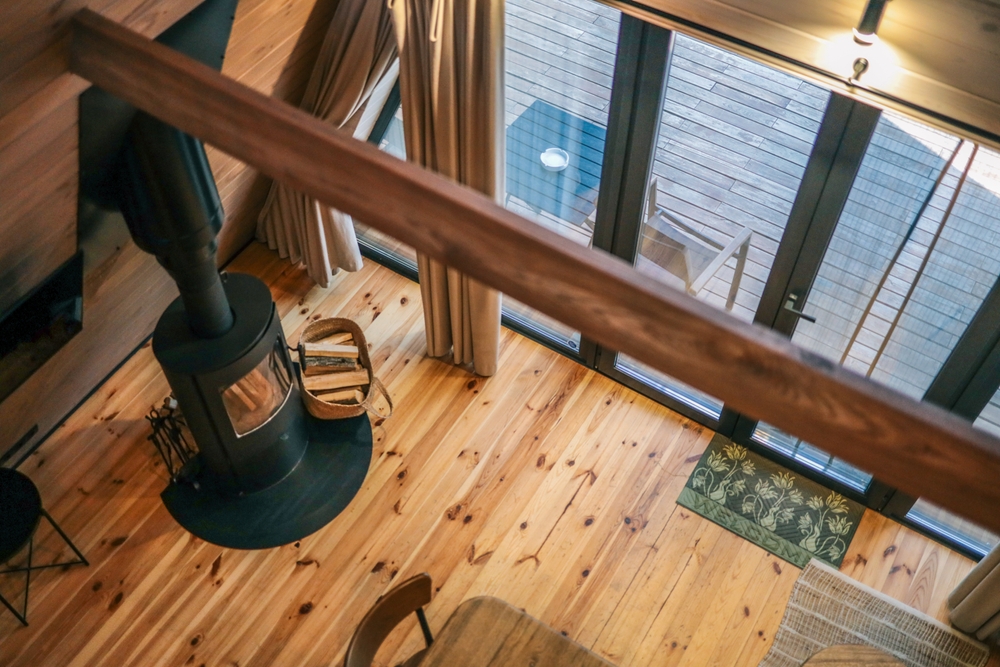
This is the classic choice. It offers the crackle, the smell of woodsmoke, and the authentic ambiance that other types try to imitate.
- Pros: Unbeatable atmosphere; provides heat even during power outages; fuel is relatively inexpensive if you source it yourself.
- Cons: Requires a full chimney and foundation support; high maintenance (ash removal, chimney sweeping); less energy-efficient as much of the heat escapes up the flue; requires storage space for wood.
- Ideal For: Homeowners who want the traditional experience and are willing to put in the work for it.
2. Gas Fireplaces (Natural Gas or Propane)
Gas fireplaces have surged in popularity due to their convenience. With the flip of a switch or the press of a remote button, you have instant flames and heat.
- Pros: Extremely convenient; clean burning with no ash or soot; high heating efficiency (zone heating); versatile installation options (direct vent can go through a wall, no chimney needed).
- Cons: The flame can look slightly less realistic than wood (though technology is improving this); requires a gas line installation; ceramic logs are purely decorative.
- Ideal For: Busy families who want the warmth and look of a fire without the hassle of hauling logs and cleaning ash.
3. Electric Fireplaces
Modern electric fireplaces are miles ahead of the fake-looking heaters of the past. They use LED lights and mirrors to create realistic flame effects.
- Pros: Easiest installation (often just plug and play); can operate with or without heat (year-round ambiance); safest for pets and children (glass doesn’t get hot); highly energy efficient.
- Cons: Does not provide the same heat output as wood or gas; the flame is an illusion; will not work during a power outage.
- Ideal For: Apartments, condos, or rooms where venting a gas or wood unit is impossible. Perfect for bedroom additions.
4. Ethanol and Gel Fireplaces
These are ventless options that burn a liquid fuel. They are often used for decorative purposes rather than as a primary heat source.
- Pros: No venting required; portable designs available; clean burning.
- Cons: Fuel can be expensive; lower heat output; open flame requires safety precautions.
- Ideal For: Contemporary spaces where a sleek, free-standing fire feature is desired for aesthetic reasons.
Fireplace Design Trends in the Treasure Valley
The design of your fireplace should complement the architectural style of your home. In the Treasure Valley, we see a mix of traditional ranch, modern farmhouse, and contemporary styles. Here are some top trends we are seeing in local remodeling and renovations.
The Floor-to-Ceiling Stone Facade
Nothing says “Idaho” quite like natural stone. Taking the stone work all the way to the ceiling creates a dramatic statement. Whether using stacked ledge stone for a modern feel or large river rock for a rustic cabin vibe, this design emphasizes height and grandeur. It works exceptionally well in homes with vaulted ceilings.
The Linear Fireplace
For contemporary homes, the linear gas fireplace is king. These wide, rectangular units offer a panoramic view of the flames. They are often installed flush with the wall and surrounded by large-format tile or sleek plaster. They can even be double-sided, connecting a living room to a dining room or an indoor space to an outdoor patio.
The Shiplap Surround
The modern farmhouse aesthetic is still going strong. Wrapping a fireplace chase in white shiplap with a reclaimed wood mantel creates a clean, bright, and cozy look. It pairs perfectly with built-in cabinetry on either side, offering storage and symmetry.
The “Statement” Mantel
Sometimes the fireplace itself is simple, and the mantel steals the show. We are seeing a move toward chunky, rough-hewn timber mantels made from reclaimed barn wood. These pieces of history add texture and warmth to even the most modern rooms.
Outdoor Living Rooms
The fireplace isn’t just for the indoors anymore. Outdoor fireplaces are a huge trend for additions in the Treasure Valley. By adding a covered patio with a full masonry fireplace, you extend your outdoor living season by months. You can enjoy cool spring evenings and crisp autumn nights by the fire, effectively adding another room to your house.
Where to Add a Fireplace? Thinking Beyond the Living Room
While the living room is the default location, a fireplace can enhance almost any room in your home.
The Master Suite: Imagine waking up on a snowy morning and turning on the fire without getting out of bed. A small gas or electric fireplace in the master bedroom adds a touch of luxury and romance usually found only in high-end hotels.
The Bathroom: Spa-like bathrooms are a major trend. A double-sided fireplace connecting the bedroom and the soaking tub area creates the ultimate relaxation zone.
The Kitchen: Historically, the kitchen was the warmest room in the house. Bringing a fireplace back into the kitchen—perhaps raised to eye level near a breakfast nook—makes the space feel cozy and inviting for morning coffee.
The Home Office: With more people working from home, the office environment matters. A fireplace adds a sophisticated touch and can make long hours at the desk more pleasant.
The Technical Side: What You Need to Know About Installation
Adding a fireplace is a construction project that involves framing, finishing, and potentially gas lines, electrical work, and roofing. It is not a DIY job. Here is what the process typically involves when you work with a professional builder like Eliezer Custom Homes.
Structural Considerations
A traditional masonry wood-burning fireplace is incredibly heavy. It requires a concrete footing that goes deep into the ground. If you are adding this to an existing home, we may need to cut through the floor and pour a new foundation. Gas fireplaces are much lighter and usually do not require additional foundation support, making them easier to retrofit.
Venting and Clearances
Unless you choose an electric or vent-free unit, the smoke and exhaust must go somewhere.
- Direct Vent: This system pulls fresh air from outside for combustion and vents exhaust back outside through a coaxial pipe. It can go horizontally through a wall or vertically through the roof.
- B-Vent: This uses room air for combustion and vents exhaust up through a standard chimney pipe.
- Clearances: Building codes dictate strict clearances to combustibles. We must ensure that wood framing, mantels, and drywall are a safe distance from the firebox to prevent fire hazards.
Gas and Electric
If you choose gas, we need to run a gas line to the location. This involves sizing the pipe correctly to ensure adequate flow. Most modern gas fireplaces also require electricity for the ignition system and blowers (fans that push heat into the room).
The “Chase”
If the fireplace is not being inserted into an existing masonry chimney, we build a “chase.” This is a framed structure that houses the fireplace unit and the venting pipe. The chase can be built on the exterior of the house (saving floor space inside) or into the room (creating a focal point).
Energy Efficiency: Heating Your Home Smartly
One common misconception is that fireplaces are just for show. While open masonry fireplaces are inefficient (often sending more heat up the chimney than into the room), modern inserts and factory-built units are serious heating appliances.
Zone Heating:
A gas fireplace allows for “zone heating.” You can turn down your central furnace and just heat the room you are occupying. This can lead to significant savings on your energy bills during the winter.
Efficiency Ratings:
Look for units with a high AFUE (Annual Fuel Utilization Efficiency) rating. Some modern gas fireplaces have AFUE ratings of over 70-80%, meaning they are highly effective heaters.
Thermostatic Control:
Many units come with remote controls that act as thermostats. You set the desired temperature for the room, and the fireplace modulates the flame height or turns on and off to maintain that comfort level automatically.
The Eliezer Custom Homes Advantage
When you decide to add a fireplace, you are modifying the structure of your home. You need a partner who understands the intricacies of construction, safety codes, and high-end design. This is where Eliezer Custom Homes excels.
Integrated Design-Build Process
We don’t just install a box in the wall. We look at how the fireplace addition fits into the flow of your entire home. If you are planning to build your dream home with Eliezer Custom Homes, we integrate fireplace planning early in the design phase to optimize placement and venting. For renovations, we ensure the new addition looks like it has always been there, matching trim, textures, and architectural details.
Custom Millwork and Masonry
The firebox is just one part of the equation. The surround—the stone, tile, wood, or plaster around the fire—is what defines the style. Our team of skilled craftsmen can create custom mantels, built-in bookshelves, and intricate stone layouts that you won’t find in a catalogue. We treat the fireplace as a piece of art.
Safety First
We never compromise on safety. We adhere strictly to all local building codes and manufacturer specifications regarding clearances, venting, and gas line installation. We ensure your family can enjoy the warmth of the fire with total peace of mind.
Comprehensive Project Management
A fireplace addition often involves multiple trades: framers, roofers (for the vent), plumbers (for gas), electricians, drywallers, masons, and painters. Trying to coordinate this yourself can be a nightmare. We handle the entire schedule, ensuring the project moves efficiently from demolition to the first lighting of the fire.
Frequently Asked Questions About Fireplace Additions
Q: Can I add a fireplace to an interior wall?
A: Yes. With modern direct-vent gas technology, we can often route the vent pipe horizontally between floor joists to an exterior wall, or vertically through the roof. Electric fireplaces can be placed on virtually any wall.
Q: How much does a fireplace addition cost?
A: Costs vary wildly depending on the type. An electric unit might cost a few thousand dollars installed. A basic gas insert retrofit is in the middle range. A full masonry wood-burning addition with a stone chimney can be a significant investment. During our consultation, we can provide options that fit your budget.
Q: Will adding a fireplace damage my existing flooring?
A: We take great care to protect your home. We use protective coverings for floors and furniture. In some cases, depending on the hearth design, we may need to cut back carpet or hardwood, but we finish the transition seamlessly.
Q: Do I need a permit?
A: Yes. Adding a gas line, altering framing, and installing heating appliances almost always requires a building permit in the Treasure Valley. We handle all the permitting and inspection processes for you.
Designing Your Dream Hearth: A Step-by-Step Guide
If you are ready to move forward, here is how the process works with us.
1. Inspiration and Goals:
Start by collecting images of fireplaces you love. Do you like rustic stone? Sleek tile? Traditional brick? Think about how you want to use the fireplace—is it for primary heat or just ambiance?
2. The Consultation:
Contact us to schedule a site visit. We will assess your home’s structure, discuss fuel options, and look at potential locations. We will check for venting pathways and gas line accessibility.
3. Design and Selection:
We will help you select the unit and the finishing materials. We can sketch out the design of the surround, mantel, and any built-ins. This is where the vision comes together.
4. The Build:
Our team gets to work. We frame the chase, run the mechanicals, install the unit, and apply the finishes. We work efficiently to minimize disruption to your home life.
5. The Reveal:
Once the dust is settled and the paint is dry, we walk you through the operation of your new fireplace. Then, you get to sit back, relax, and enjoy the glow.
Conclusion: Invest in Warmth
A fireplace is more than an appliance; it is an experience. It is the backdrop for Christmas mornings, the gathering place for dinner parties, and the silent companion on a quiet Tuesday night. In the Treasure Valley, where we value our homes as havens, a custom fireplace addition is an investment in your quality of life.
Whether you are building new or looking to upgrade your current residence, don’t overlook the power of the hearth. It adds value, beauty, and a literal and figurative warmth that makes a house feel truly like a home.
Are you ready to transform your living space? At Eliezer Custom Homes, we are passionate about creating spaces that our clients love. From custom builds to intricate renovations, we bring expertise and integrity to every project.
Visit our About Us page to learn more about our philosophy, or explore our Additions services to see what is possible. Let’s build something beautiful and warm together.
Crafting Beautiful, Quality Homes
Here at Eliezer Custom Homes, we are committed to delivering exceptional quality and service to our clients. Our team is made up of highly skilled professionals who have extensive experience in the construction industry.
Contact Us