Building a custom home or undertaking a massive renovation is often compared to conducting a symphony. There are dozens of players involved—architects, engineers, interior designers, excavators, framers, electricians, plumbers, and inspectors. In a traditional construction model, you, the homeowner, are forced to be the conductor. You have to ensure the architect’s vision matches the builder’s reality, and that the engineer’s drawings fit the interior designer’s layout. It is a high-stress role that most people are not trained for.
In the booming real estate market of Boise and the Treasure Valley, homeowners are increasingly rejecting this fragmented approach. Instead, they are turning to a more streamlined, collaborative, and efficient model: Design-Build.
As leading design-build contractors in Boise, we have witnessed firsthand how this method transforms a potentially chaotic experience into a seamless journey. Whether you are looking to construct a sprawling estate in the foothills or modernize a classic North End bungalow, understanding the design-build advantage is the first step toward a successful project.
In this comprehensive guide, we will dismantle the complexities of the construction industry, explain exactly why the design-build model is superior for most residential projects, and show you why so many of your neighbors are choosing this path for their dream homes.
What Exactly is Design-Build?
To understand why design-build is preferred, you must first understand what it replaces. The traditional method, known as “Design-Bid-Build,” separates the design team from the construction team. You hire an architect to draw plans, then you take those plans to multiple builders to get bids.
The Design-Build Model is different. It brings the design and construction functions under one roof. You sign a single contract with one entity—the design-builder. This entity is responsible for the entire project, from the initial sketch on a napkin to the final coat of paint on the walls.
In this scenario, the architect, the interior designer, and the general contractor work together as a unified team from day one. There is no “us vs. them.” There is only “us.”
The Single Point of Responsibility
The defining characteristic of design-build is accountability. In the traditional model, if something goes wrong—say, the HVAC ductwork doesn’t fit where the architect drew it—the builder blames the architect for a bad design, and the architect blames the builder for not reading the plans correctly. The homeowner is stuck in the middle, usually paying extra to fix the mess.
In design-build, that finger-pointing is eliminated. Since the designer and builder are on the same team, they solve problems internally before they ever become expensive construction issues. The design-builder owns the outcome, plain and simple.
The Problem with the Old Way (Design-Bid-Build)
Why are so many Boise homeowners moving away from the traditional model? The answer usually comes down to three things: budget, timeline, and stress.
The Budget Disconnect
The most heartbreaking scenario in residential construction is the “sticker shock.” A homeowner hires an architect and spends six months and thousands of dollars perfecting a set of plans. They fall in love with the design. Then, they bid it out to contractors, only to find that the beautiful home on paper costs 40% more than their budget allows.
Why does this happen? Because architects are artists, not estimators. They don’t always track the fluctuating costs of lumber in Idaho or the current labor rates for local electricians. By the time the builder sees the plans, it is too late. The homeowner has to pay for a redesign or abandon the project.
The Adversarial Relationship
In the traditional bidding process, contractors are incentivized to be low. They might interpret the plans loosely to give you a lower price to win the job. Then, once construction starts, they hit you with “Change Orders” for everything that wasn’t explicitly detailed. This creates a contentious relationship where the homeowner feels nickel-and-dimed.
Why Boise Homeowners Prefer Design-Build
The Treasure Valley is a unique market. We have a mix of new construction on challenging terrain (like the rocky foothills) and renovations of historic properties. These projects require a high level of technical coordination that design-build is uniquely suited to provide.
1. Accurate Budgeting from the Start
In the design-build process, the construction team is involved during the design phase. As the layout is being drawn, the builder provides real-time cost feedback.
- “If we move this bathroom five feet to the left, we can share a wet wall with the laundry room and save $2,000.”
- “That roofline is beautiful, but it will require custom steel trusses. If we tweak the pitch slightly, we can use standard wood trusses and save $10,000.”
This process, known as Value Engineering, happens before the blueprints are finalized. It ensures that the design you fall in love with is a design you can afford.
2. Faster Project Delivery
Time is money. In the traditional model, the construction cannot begin until the design is 100% complete and the bidding process (which can take weeks) is finished.
Design-build allows for overlapping phases. We can begin site preparation and foundation work while the final interior finishes are still being selected. Because the builder knows the intent of the design, materials can be ordered earlier, preventing supply chain delays. In a market like Boise, where permitting and subcontractor scheduling can be tight, this efficiency can shave months off a project.
3. Better Quality and Constructability
Designers create on paper (or screens); builders create in the physical world. Sometimes, things that look great in a rendering are a nightmare to build or impossible to waterproof correctly.
When you build your dream home with Eliezer Custom Homes, our construction expertise informs the design. We ensure that the details aren’t just pretty, but practical and durable for Idaho’s climate. We think about how the plumbing will run through the floor joists and how the insulation will seal the envelope. The result is a higher-quality home with fewer errors.
4. Reduced Stress for the Homeowner
You are busy. You have a job, a family, and a life. You don’t have time to mediate disputes between an architect and a contractor. With design-build, you have one phone number to call. We handle the logistics, the permits, the scheduling, and the problem-solving. You get to focus on the fun parts—like choosing tile and watching your vision come to life.
5. Continuity of Vision
Have you ever played the game “Telephone”? In the traditional hand-off from architect to builder, nuances get lost. The builder might not understand why a window was placed exactly where it was and might move it slightly to make framing easier, inadvertently ruining a view corridor.
In design-build, the team that designs it is the team that builds it. The vision is preserved from concept to completion because the people executing the work were part of the conversations that defined the design.
The Design-Build Process: Step-by-Step
Transparency is key to trust. While every project is unique, the design-build workflow typically follows a structured path designed to minimize risk and maximize creativity.
Phase 1: The Initial Consultation
This is where we get to know you. We discuss your goals, your lifestyle, and your target budget. We aren’t just looking for a project; we are looking for a partnership. We want to ensure our team is the right fit for your vision. You can learn more about our team and values on our About Us page.
Phase 2: Design and Feasibility
Once we decide to move forward, we enter the design agreement.
- As-Built Measurements: For renovations, we laser-measure your existing home.
- Concept Drawings: We create rough floor plans and 3D massing models to explore layout options.
- Feasibility Check: We investigate zoning laws, setbacks, and HOA restrictions in your Boise or Meridian neighborhood to ensure we can build what you want.
- Preliminary Budget: We attach a rough cost estimate to the concepts so you can see how design choices impact the bottom line.
Phase 3: Design Development and Selections
This is the detailed work. We refine the floor plans into construction documents. Our interior design team helps you select:
- Cabinetry styles and finishes.
- Flooring materials.
- Plumbing and lighting fixtures.
- Exterior siding and stone.
Because we are the builder, we check availability and lead times on these items immediately. We won’t let you fall in love with a tile that is backordered for six months.
Phase 4: Final Budget and Construction Contract
Once the design is complete and materials are selected, we present a fixed-price construction contract. Because we have done the due diligence upfront, this price is accurate. There are no “guesstimates.” This gives you financial peace of mind before a shovel ever hits the dirt.
Phase 5: Construction
We obtain the permits and break ground. Your project manager oversees the daily operations, coordinating subcontractors and ensuring quality control. You receive regular updates via our project management software, including photos and schedule adjustments.
Phase 6: Post-Construction and Warranty
We don’t just hand you the keys and disappear. We walk you through the operation of your new home—how to use the smart thermostat, where the water shut-off is, and how to maintain your stone countertops. We stand behind our work with a warranty, giving you confidence in your investment.
Design-Build for Different Project Types
While design-build is famous for custom homes, it is equally powerful for other residential projects in the Treasure Valley.
Major Renovations and Remodels
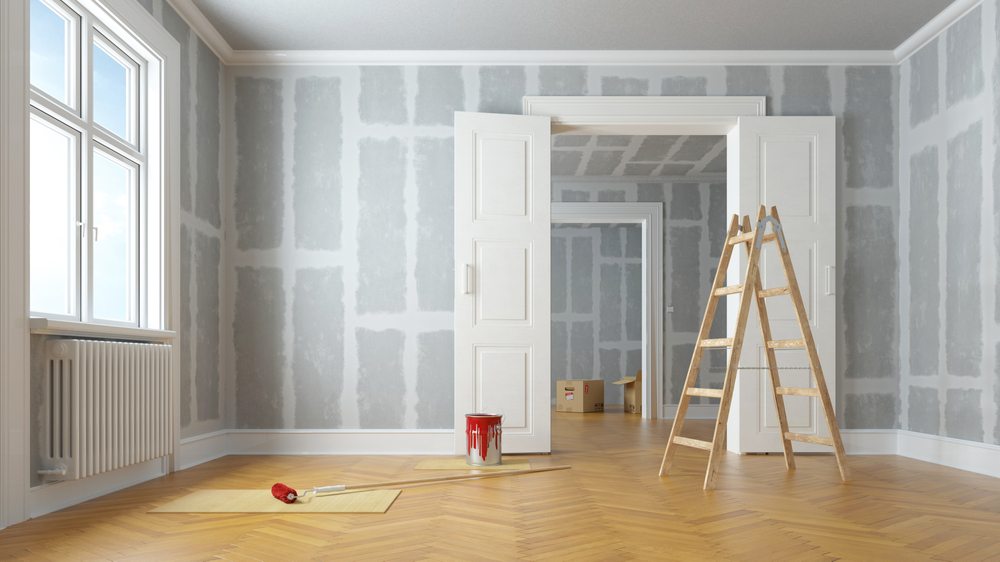
Remodeling is inherently riskier than new construction because of the “unknowns” hidden behind walls. A design-build team is best equipped to handle these surprises. If we open a wall and find a structural issue, the designer and builder are already on site to engineer a solution immediately, keeping the project moving.
Whether it is a whole-home gut or a historic preservation project, our remodeling and renovation services leverage the design-build efficiency to minimize disruption to your life.
Home Additions
Adding square footage requires seamless integration. You don’t want an addition that looks like a box tacked onto the side of your house. Design-build ensures that the architectural style, rooflines, and materials of the addition match the existing home perfectly. We manage the complex zoning and setback requirements that often accompany additions in established neighborhoods.
Kitchens and Baths
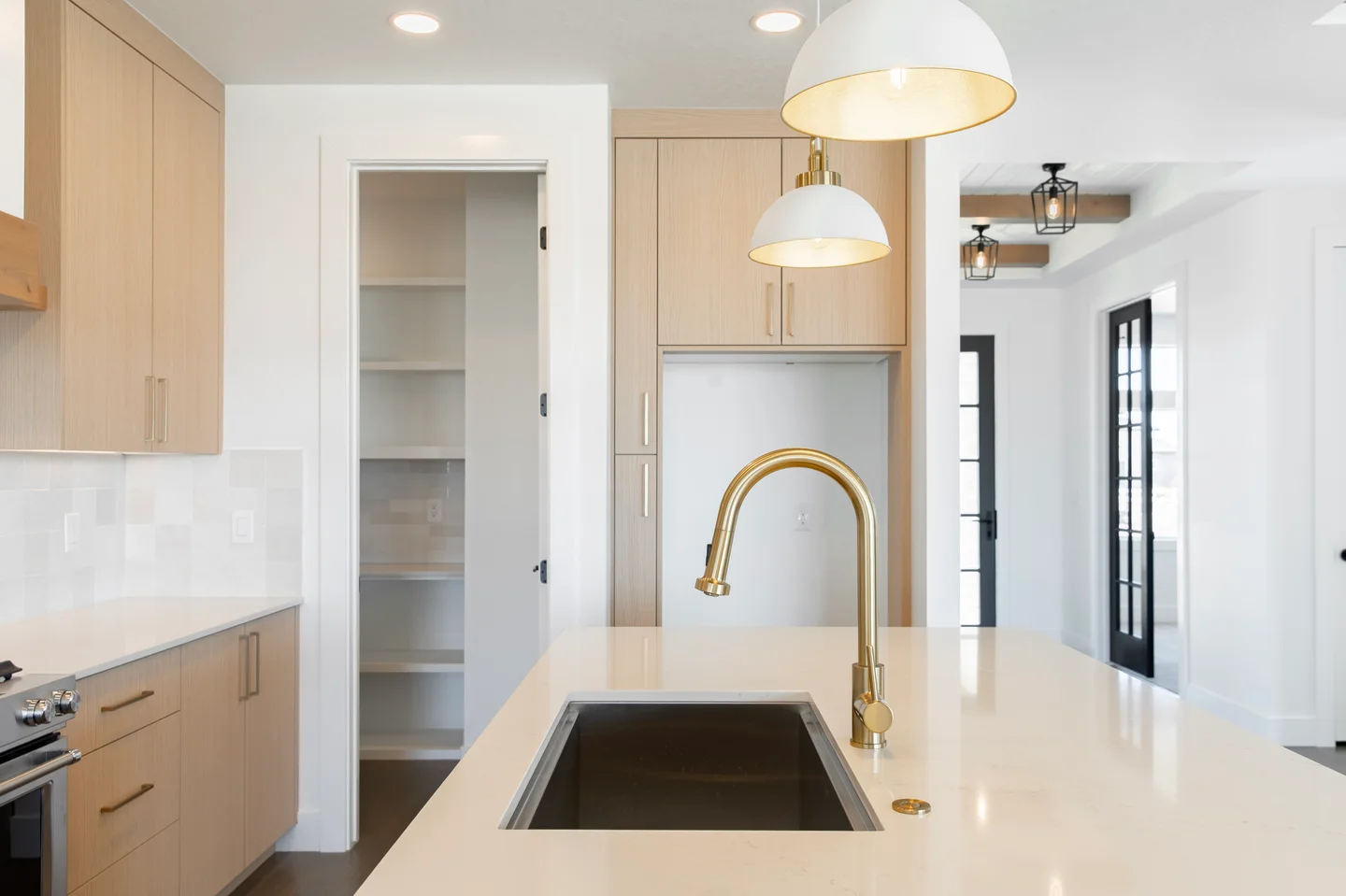
Even for single-room projects, design-build offers value. High-end kitchens require complex coordination of plumbing, electrical, gas, and cabinetry. A unified team ensures that the island is centered under the pendant lights and that the dishwasher doesn’t hit the oven door when it opens.
Overcoming Common Myths About Design-Build
Despite its popularity, there are still some misconceptions about the design-build model.
Myth 1: “I lose control if I don’t hire an independent architect.”
Truth: You actually gain more control. In design-build, you are the most important member of the team. You are involved in every decision. Furthermore, having the builder involved means you have control over the cost of the design, not just the aesthetics.
Myth 2: “Design-build is more expensive.”
Truth: While the upfront fee might seem higher than just buying a set of stock plans, the total project cost is often lower. You avoid the cost of redesigning plans that are over budget. You avoid expensive change orders due to plan errors. And you save money through value engineering suggestions that a standalone architect might not know to offer.
Myth 3: “The design quality suffers without a dedicated architect.”
Truth: Design-build firms work with talented architectural designers and licensed architects. The difference is that these creatives are grounded in construction reality. We believe that great design is not just about how it looks, but how it works and how it fits your budget.
Myth 4: “I can’t get competitive bids.”
Truth: While you aren’t bidding the general contractor role, the general contractor is bidding out the sub-trades (plumbing, electrical, excavation) to ensure competitive pricing. We benchmark our costs against the local market constantly to ensure we are providing fair value.
The Importance of Local Expertise
Real estate is hyper-local. A design-build firm based in Boise understands nuances that an out-of-town architect or a generic online plan service cannot.
- Soil Conditions: We know which areas of the Treasure Valley have sandy soil, clay, or high water tables, and we design foundations accordingly.
- Climate Resilience: We design for the high desert—specifying materials that can withstand intense UV exposure in the summer and freeze-thaw cycles in the winter.
- Relationships: We have long-standing relationships with the City of Boise, the City of Meridian, and Ada County planning departments. We know how to navigate the permitting process efficiently.
- Trade Partners: We work with the best subcontractors in the valley. They prioritize our jobs because we are organized and pay on time, which means your project gets the “A-team” crews.
How to Vet a Design-Build Contractor
Not all companies that claim to be “design-build” are created equal. Some are builders who just sketch on a notepad; others are architects who hire a superintendent but lack construction infrastructure. Here is what to look for:
- A True Integrated Process: Ask to see their process map. Do they have a Pre-Construction Services agreement? If they just give you a free quote without a design phase, they are likely guessing, not planning.
- Portfolio of Completed Work: Look for consistency in quality. Do their finished projects match the design intent?
- Client Testimonials: Ask past clients about the communication. Did they feel heard? Was the budget respected?
- Financial Transparency: Ask how they handle budgeting. Do they provide open-book estimates or allowances?
- Personality Fit: You will be working closely with this team for 6 to 12 months. Make sure you like them!
Why Eliezer Custom Homes?
At Eliezer Custom Homes, we have refined the design-build process to serve the specific needs of Boise homeowners. We believe that building a home should be an exciting, positive experience, not a source of anxiety.
Our approach is rooted in:
- Integrity: We tell you the truth about costs and timelines, even when it’s hard to hear.
- Craftsmanship: We are builders at heart. We care about the details you see and the ones you don’t.
- Collaboration: We listen more than we talk. Your home should reflect your personality, not our ego.
If you are ready to start a conversation about your project, we invite you to contact us. Let’s sit down and discuss how the design-build advantage can bring your vision to life.
Conclusion
The construction industry is evolving, and the design-build model is leading the way. For homeowners in Boise, Meridian, and Eagle, it offers a logical, safe, and efficient path to a high-quality home. It bridges the gap between the dream and the reality, ensuring that the home you design is the home you build—and the home you can afford.
By choosing a design-build partner, you are choosing accountability. You are choosing to have an advocate who is responsible for the budget, the schedule, and the quality, all wrapped in one.
Whether you are dreaming of a modern farmhouse, a mid-century renovation, or a luxury estate, the design-build process is the foundation of success. Don’t leave your biggest investment to chance or to a fragmented team. Choose unity. Choose collaboration. Choose design-build.
Frequently Asked Questions (FAQs)
1. How long does the design-build process take?
The timeline varies based on the project’s complexity. A custom home typically takes 3-5 months for design and permitting, followed by 8-12 months of construction. However, because phases can overlap, the total time is often 20-30% faster than the traditional design-bid-build method.
2. Can I bring my own architect to a design-build firm?
Yes, this is often called “modified design-build.” We can collaborate with your architect during the design phase to provide cost feedback and constructability reviews. However, the greatest efficiencies are gained when the design and build teams are under one contract from the start.
3. What if I want to change something during construction?
Changes are handled through a formal “Change Order” process. Because we are managing both design and construction, we can quickly assess the cost and schedule impact of a change (e.g., adding a window) and get it implemented faster than if you had to go back to an external architect for new drawings.
4. Is design-build suitable for smaller projects?
Yes, especially for complex small projects like kitchen remodels or adding a bathroom. The coordination required for plumbing, electrical, and structural changes in a small space is intense, and having a single team manage it prevents costly mistakes.
5. How accurate are the early budget estimates?
In our design-build process, we update the budget at several milestones (Conceptual, Schematic, Design Development). By the time we sign the final construction contract, the price is fixed (excluding any changes you make later). This iterative budgeting eliminates the “surprise” factor at the end.
6. Do I need to have a lot purchased before contacting a design-build builder?
Not necessarily. In fact, involving a builder before you buy land can be incredibly beneficial. We can help you evaluate a lot for potential construction costs—such as the need for extensive excavation, utility runs, or retaining walls—that might not be obvious to a buyer.
7. What happens if the project goes over budget?
In a fixed-price design-build contract, the builder absorbs the cost of any errors or omissions in their scope. You only pay more if you change the scope (e.g., upgrading from granite to quartz countertops) or if there are unforeseeable site conditions (like finding a hidden oil tank underground), though we do our best to investigate these risks upfront.
8. Is design-build just for modern homes?
No. Design-build is a process, not a style. We can design and build traditional, craftsman, Tuscan, modern, or historic preservation projects. The process ensures the style you want is executed correctly.
9. How do you handle permits in Boise?
As the design-builder, we act as your agent. We prepare all necessary drawings, submit them to the city or county, answer their questions, and secure the permit. You don’t have to stand in line at City Hall.
10. Can I live in my home during a design-build renovation?
It depends on the scope. For an addition or a basement finish, often yes. For a kitchen remodel or whole-house renovation, we usually recommend moving out for safety and speed. We will discuss the logistics during the design phase so you can plan accordingly.
Crafting Beautiful, Quality Homes
Here at Eliezer Custom Homes, we are committed to delivering exceptional quality and service to our clients. Our team is made up of highly skilled professionals who have extensive experience in the construction industry.
Contact Us