Embarking on a new construction or renovation project is an exciting venture. Whether you are finally ready tobuild your dream home on a scenic Idaho plot or planning a much-needed home addition, your focus is likely on design, materials, and finishes. However, beneath the surface of every successful project lies a critical framework that ensures its safety, quality, and legality: building codes. Code-compliant construction is not just a bureaucratic hurdle; it is the fundamental assurance that your home is built to last and protect your family.
For homeowners in Boise, Meridian, and across Idaho, understanding the importance of building codes is crucial. These regulations are the minimum standard for safe and sound construction, governing everything from structural integrity and fire safety to electrical wiring and plumbing. Ignoring or attempting to bypass these codes can lead to disastrous consequences, including safety hazards, legal penalties, and significant financial loss.
This guide will delve into the world of code-compliant construction in Idaho. We will explore why these regulations are so important, the serious risks associated with non-compliance, and how you can ensure your project meets or exceeds every requirement. Partnering with a professional, licensed contractor is the first and most important step in this process.
What Are Building Codes and Why Do They Exist?
Building codes are a set of rules and regulations specifying the minimum standards for constructed objects such as buildings and non-building structures. The main purpose of building codes is to protect public health, safety, and general welfare as they relate to the construction and occupancy of buildings and structures. They are the product of decades of experience, research, and tragic lessons learned from structural failures, fires, and natural disasters.
In Idaho, state and local municipalities adopt a series of codes, primarily based on the International Code Council (ICC) family of codes. These include the International Residential Code (IRC) for one- and two-family dwellings and the International Building Code (IBC) for all other types of new construction. Local jurisdictions, like the City of Boise or Ada County, may have additional amendments to address specific local conditions, such as soil types or snow loads.
The existence of these codes is a testament to a society’s commitment to safety. They ensure that your home has a strong foundation, a sturdy frame, safe electrical systems, and reliable plumbing, creating a secure environment for your family.
The Unwavering Priority: Health and Safety
The single most important reason for code-compliant construction is to ensure the safety of the people who will live in the home. Every rule within the building code is designed to mitigate a specific risk.
- Structural Integrity: Codes dictate the required size of foundations, the type and spacing of framing members, and the methods for connecting structural elements. This ensures your home can withstand expected loads, including the weight of snow on the roof and the force of high winds. A home not built to these standards could be vulnerable to collapse.
- Fire Safety: This is a massive component of building codes. Regulations specify the use of fire-resistant materials, the required number and location of smoke and carbon monoxide detectors, and the standards for safe egress (windows and doors) in case of a fire. These rules are directly responsible for saving lives by providing early warnings and clear escape routes.
- Electrical and Mechanical Safety: Faulty electrical wiring is a leading cause of house fires. Codes mandate specific types of wire, proper grounding, the use of circuit breakers (AFCIs and GFCIs), and safe installation practices to prevent shocks, shorts, and fires. Similarly, codes for mechanical systems (HVAC) and plumbing ensure they operate safely and do not pose a carbon monoxide or water damage risk.
When you hire a contractor who prioritizes code compliance, you are investing in the fundamental safety of your home. It’s a non-negotiable aspect of responsible construction, something our team at Eliezer Custom Homes stakes its reputation on.
Preserving Your Investment and Property Value
A home is often the largest financial investment a person will make. Code-compliant construction is essential for protecting that investment. A home built to code is a quality home, less likely to suffer from premature deterioration or costly systemic failures.
When it comes time to sell your property, evidence of code-compliant work is a major asset. Prospective buyers, home inspectors, and lenders will all look for proof that any construction or renovation was done correctly and legally. Unpermitted or non-compliant work can be a deal-breaker, potentially forcing you to either make costly repairs or sell your home at a significant discount. Conversely, a fully permitted and inspected project demonstrates quality and can enhance your home’s marketability and resale value. This is a key consideration in all our remodeling and renovations projects.
The Serious Risks of Non-Compliant Construction
The temptation to cut corners, perhaps by hiring a cheaper, unlicensed contractor or skipping the permit process, can be strong. However, the potential consequences of non-compliant construction far outweigh any perceived short-term savings. The risks are severe, impacting your safety, your finances, and your legal standing.
Legal and Financial Repercussions
Building without the required permits is illegal. If a municipality discovers unpermitted work, the consequences can be swift and severe.
- Stop-Work Orders: The building department can issue a stop-work order, halting your project immediately until the issue is resolved. This can cause significant delays and throw your entire project timeline into disarray.
- Fines and Penalties: You will likely face substantial fines for violating building regulations. These penalties can often be far more than the original cost of the permit.
- Mandated Demolition: In a worst-case scenario, you may be ordered to tear out the non-compliant work. Imagine having to demolish a newly finished basement or a beautiful home addition because the framing or electrical work was not inspected. The cost to demolish and then rebuild correctly can be financially devastating.
- Difficulty Obtaining Future Permits: A history of non-compliance can make it much more difficult to get permits for future projects on your property.
Insurance and Liability Issues
Your homeowner’s insurance policy is predicated on the assumption that your home is a legally constructed and maintained dwelling. Non-compliant work can void your coverage. If a fire is caused by faulty, unpermitted electrical work, your insurance company may have the right to deny your claim, leaving you with the total cost of the damage.
Furthermore, you open yourself up to immense personal liability. If a guest is injured in your home due to a non-compliant structural failure, such as a deck collapse, you could be held personally responsible for their medical bills and other damages. This legal and financial exposure is a risk no homeowner should ever take.
Catastrophic Safety Failures
Beyond the legal and financial ramifications, the most terrifying risk of non-compliant construction is the potential for a catastrophic failure that endangers you and your family. The building codes are not arbitrary; they are life-saving minimums.
A deck built with improper fasteners can collapse. A roof not framed to handle Idaho’s snow load can fail. A plumbing system without proper venting can release dangerous sewer gases into your home. These are not hypothetical scenarios; they are real-world tragedies that have occurred due to a failure to follow established safety standards. No amount of money saved is worth compromising the structural integrity and safety of your living space.
How to Ensure Code-Compliant Construction in Idaho
Ensuring your project adheres to all relevant building codes is a straightforward process, but it requires diligence and a commitment to doing things the right way from the very beginning. The process revolves around two key elements: obtaining the proper permits and hiring the right professionals.
The Building Permit Process
A building permit is an official authorization from your local building department to proceed with a construction or renovation project. It is not just a piece of paper; it is the gateway to a process of review and inspection that verifies code compliance.
Step 1: Plan Submission and Review
The permit process begins with the submission of detailed plans for your project. These plans must show exactly what you intend to build, from the foundation to the roof. An official plan reviewer will examine your drawings to ensure they comply with all applicable building codes before a permit is ever issued. This initial check is the first line of defense against design errors.
Step 2: On-Site Inspections
Once a permit is issued and work begins, a series of on-site inspections will be required at critical stages of the project. A licensed building inspector will visit your site to personally verify that the work has been done correctly. Common inspection points include:
- Foundation/Footing Inspection: Before concrete is poured.
- Framing Inspection: After the structural frame is complete but before insulation and drywall are installed. This is a crucial inspection for structural integrity.
- Plumbing, Electrical, and Mechanical Rough-In: Before walls are closed up, an inspector checks all the systems.
- Insulation Inspection: To ensure proper R-values and installation.
- Final Inspection: A comprehensive review of the completed project before a Certificate of Occupancy is issued, confirming the home is safe to live in.
These inspections are your assurance that the work being done, much of which will be hidden behind walls, meets the required safety standards. A reputable contractor will not only welcome these inspections but will also manage the entire process for you.
The Critical Role of Licensed and Insured Contractors
The single most important decision you will make for your project is choosing your contractor. Hiring a licensed, insured, and reputable professional is your best guarantee of a successful, code-compliant outcome.
What Does “Licensed and Insured” Mean?
- Licensed: In Idaho, a contractor must be registered with the Idaho Contractors Board. This registration shows they are a legitimate business operator. However, for specialized work like electrical and plumbing, contractors must hold specific licenses that require them to pass rigorous exams testing their knowledge of the codes. Always ask to see a contractor’s registration and any trade-specific licenses. This information should be readily available on their website or upon request. You can learn more about our company’s commitment to professionalism on our about page.
- Insured: A professional contractor will carry two essential types of insurance. General Liability Insurance protects your property from damage caused by the contractor’s work. Workers’ Compensation Insurance protects you from liability if one of the contractor’s employees is injured on your property. Never hire a contractor who cannot provide proof of current insurance certificates.
Why a Professional Contractor is Your Advocate
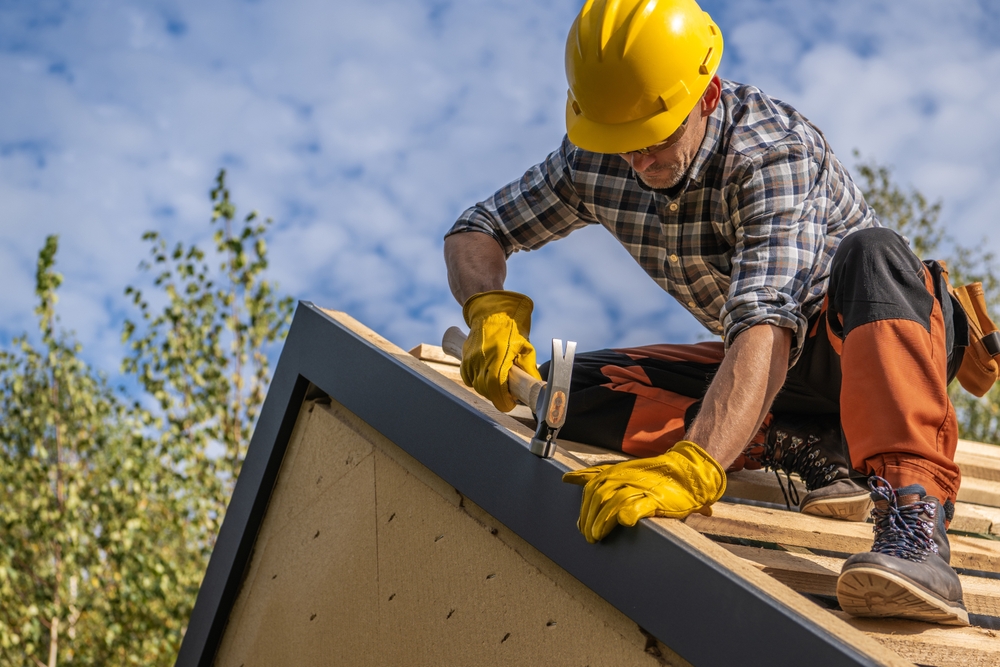
A professional contractor does more than just swing a hammer. They are your project manager and your advocate for quality and compliance. A reputable builder:
- Understands the Codes: They have an in-depth, working knowledge of the current state and local building codes and stay up-to-date on changes.
- Manages the Permit Process: They will handle all aspects of permitting, from submitting plans to scheduling and being present for all inspections.
- Hires Qualified Subcontractors: They have established relationships with licensed and reliable electricians, plumbers, and other trade specialists.
- Guarantees Their Work: They stand behind the quality of their construction and will provide a warranty for their work.
Choosing a contractor based solely on the lowest bid can be a recipe for disaster. An unusually low bid may be a red flag that the contractor plans to cut corners, use substandard materials, or skip the permit process entirely.
Building a Foundation of Trust
Code-compliant construction is the bedrock of any safe, durable, and valuable home. It is an intricate process that requires expertise, diligence, and an unwavering commitment to quality. For homeowners in Idaho, navigating the complexities of building codes is best done with a trusted partner at your side.
At Eliezer Custom Homes, we believe that building to code is the absolute minimum standard. Our goal is to consistently exceed those standards, delivering superior craftsmanship and lasting quality in every home we build and remodel. We manage every detail of the construction process with transparency and professionalism, ensuring your home is not only beautiful but also fundamentally safe and sound.
If you are planning a new home or renovation project in the Treasure Valley, don’t leave compliance to chance. Contact us today for a consultation. Let us show you how a partnership with a dedicated, professional builder can provide the peace of mind that comes from knowing your project is done right.
Crafting Beautiful, Quality Homes
Here at Eliezer Custom Homes, we are committed to delivering exceptional quality and service to our clients. Our team is made up of highly skilled professionals who have extensive experience in the construction industry.
Contact Us