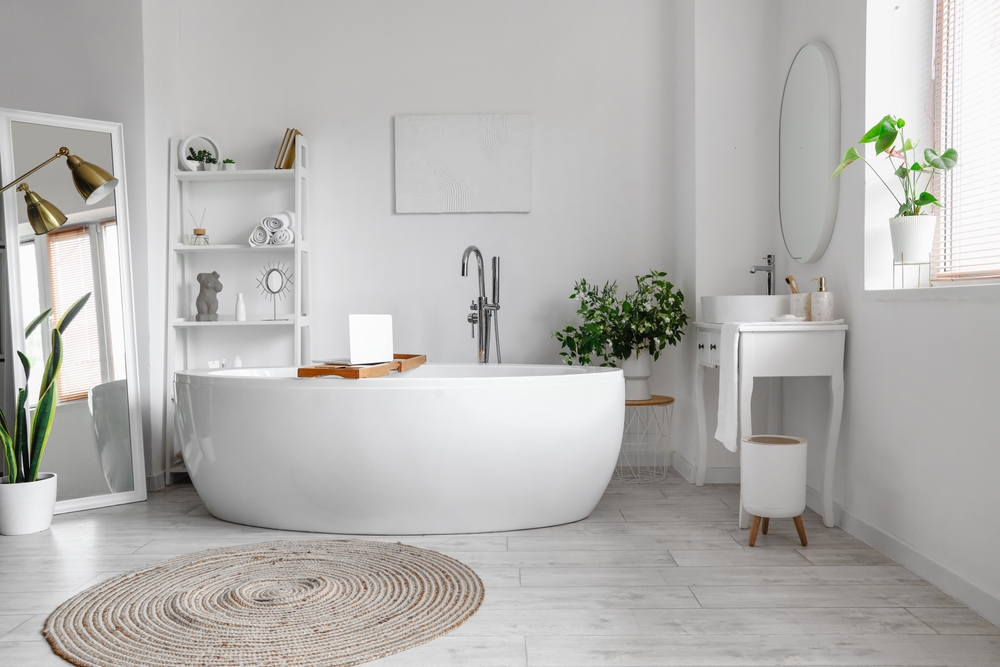
Planning for the future means creating a home that supports you through every stage of life. For many Idaho residents, this involves thinking about how their living spaces can adapt to changing mobility and accessibility needs. The bathroom, a room used multiple times a day, is one of the most critical areas to consider. A standard bathroom is often filled with potential hazards for those with limited mobility, from slippery floors to high tub walls. An ADA-compliant or aging-in-place bathroom remodel transforms this space from a potential risk into a sanctuary of safety, comfort, and independence.
This comprehensive guide will explore the essentials of designing and executing an accessible bathroom remodel in Idaho. We will cover the principles of universal design, specific features that enhance safety and usability, and why partnering with a professional remodeler is crucial for success. Whether you are planning for your own future, caring for a loved one, or simply want to create a more inclusive home, this information will help you navigate your next remodeling and renovations project with confidence.
Understanding Accessible Bathroom Design: Key Concepts
Before diving into specific fixtures and features, it’s important to understand the philosophies behind accessible design. While often used interchangeably, terms like “ADA-compliant,” “aging-in-place,” and “universal design” have distinct meanings that can help shape your remodeling goals.
What is an ADA-Compliant Bathroom?
The Americans with Disabilities Act (ADA) provides specific, enforceable standards for accessible design in public and commercial spaces. While these stringent guidelines are not legally required for private residences, they serve as an excellent benchmark for creating a highly accessible bathroom. An ADA-compliant design focuses on precise measurements and requirements to accommodate individuals who use wheelchairs or other mobility aids.
Key elements of ADA guidelines include:
- Specific clearances around toilets, sinks, and showers.
- Mandatory grab bar placement and dimensions.
- Maximum height requirements for sinks and countertops.
- Specific faucet and handle types that do not require tight grasping or twisting.
Following ADA guidelines is often the goal when a family member has a specific, diagnosed disability. It provides a clear, proven roadmap for maximum accessibility.
What is Aging-in-Place?
Aging-in-place is a broader concept focused on preparing a home for the evolving needs of its residents as they grow older. It’s a proactive approach to home modification that prioritizes safety, comfort, and the ability to live independently for as long as possible. An aging-in-place bathroom remodel might not need to meet every strict ADA measurement from day one. Instead, it might incorporate features that can be easily adapted in the future.
For example, a homeowner might install decorative wood blocking inside the walls around the toilet and shower. This doesn’t require installing grab bars immediately, but it ensures the wall is properly reinforced to add them easily and securely when they are needed. Aging-in-place design is about foresight and future-proofing your home.
The Power of Universal Design
Universal design is the most inclusive and forward-thinking of these concepts. Its goal is to create spaces that are inherently accessible to all people, regardless of their age, size, or ability, without the need for special adaptations. A universally designed bathroom is not just a “bathroom for the elderly” or a “handicapped bathroom”—it’s simply a better-designed bathroom for everyone.
Think about a curbless shower. A person using a wheelchair can roll right in, an older person doesn’t have to step over a high threshold, a parent can easily bathe a child, and the seamless look is sleek and modern for any user. This is the essence of universal design: creating beautiful, functional spaces that work for every person at every stage of life. At Eliezer Custom Homes, we believe that great design is universal design, blending safety and style seamlessly.
Essential Features for an Accessible Bathroom Remodel
The foundation of a safe and functional accessible bathroom lies in a few key features. From the shower to the sink, every element can be chosen and placed to enhance usability and minimize risk.
The Curbless, Walk-in Shower
The single most impactful feature of an accessible bathroom is the curbless, or zero-threshold, shower. By eliminating the curb or threshold that is common in standard showers, you remove a significant trip hazard and create a smooth, seamless entry.
Benefits of a Curbless Shower:
- Accessibility: It allows for easy access for individuals using walkers or wheelchairs.
- Safety: It dramatically reduces the risk of tripping for all users.
- Aesthetics: The open, continuous flooring creates a clean, modern, and spa-like feel that can make a bathroom appear larger.
- Easy to Clean: With fewer corners and seams, a curbless shower is simpler to maintain.
Achieving a properly waterproofed and sloped curbless shower requires professional expertise. The floor must be gently sloped toward a linear or center drain to ensure water flows away correctly without pooling. This often involves restructuring the subfloor, a task best left to experienced contractors.
Strategic Grab Bar Installation
Grab bars are not the clinical-looking accessories they once were. Today, they come in a wide variety of stylish finishes and designs that can complement your decor. More importantly, they are a non-negotiable safety feature.
Key Locations for Grab Bars:
- Inside the Shower: Install them both horizontally and vertically. A horizontal bar helps with stability while standing, and a vertical bar near the entrance assists with stepping in and out.
- Around the Toilet: Placing grab bars on the side and back walls of the toilet provides crucial support for sitting down and standing up, one of the most common times for a fall to occur.
- Along Pathways: A grab bar near the bathroom entrance or along a long wall can provide an extra point of stability.
Proper installation is critical. Grab bars must be anchored directly into wall studs or solid wood blocking. Attaching them only to drywall is extremely dangerous and will not support a person’s weight in a fall. During your remodel, we can ensure your walls are reinforced in all the right places for secure grab bar placement, now or in the future.
The Accessible Vanity and Sink
An accessible vanity area considers both height and clearance.
- Wall-Mounted Sinks: A wall-mounted or floating vanity allows for open space underneath, providing knee clearance for someone seated in a wheelchair.
- Correct Height: The sink rim should be no higher than 34 inches from the floor to be comfortably accessible from a seated position.
- Shallow Basin: A shallower sink basin makes it easier to reach the faucet and controls.
- Lever-Handle Faucets: Faucets with single-lever or hands-free motion-sensor controls are much easier to operate than traditional knobs that require twisting and gripping.
- Tilted Mirrors: A large mirror that is tilted downward or a full-length mirror next to the sink ensures that both standing and seated individuals can use it comfortably.
The Comfort-Height Toilet
A “comfort-height” or “right-height” toilet is another simple yet highly effective upgrade. These toilets have a bowl that is 17 to 19 inches high, similar to the height of a standard chair. This is a few inches taller than traditional toilets. That small amount of extra height can make a significant difference, making it much easier for individuals with knee or back pain to sit down and stand up without strain. Ample clear space around the toilet (typically a 60-inch diameter circle) is also essential for wheelchair maneuverability.
Creating a Safe Environment: Flooring, Lighting, and Smart Tech
Beyond the main fixtures, the overall environment of the bathroom plays a huge role in its safety and functionality. Thoughtful choices in flooring, lighting, and technology can elevate the space from simply accessible to truly comfortable and secure.
Non-Slip Flooring
Slippery floors are one of the greatest dangers in any bathroom. When selecting flooring for an aging-in-place or ADA-inspired remodel, the material’s slip resistance is the top priority. The “coefficient of friction” (COF) rating measures how slip-resistant a tile is; look for a rating of 0.60 or higher for wet areas.
Excellent Non-Slip Flooring Options:
- Matte-Finish Porcelain or Ceramic Tile: Avoid highly polished, glossy tiles. A matte finish provides more natural traction.
- Small Tiles: A floor with smaller tiles (like a mosaic) has more grout lines, and these grout lines create additional texture and grip, improving slip resistance.
- Luxury Vinyl Tile (LVT): Modern LVT is a fantastic option. It is waterproof, durable, and has a softer, more forgiving feel underfoot than tile. It also comes in a huge array of realistic wood and stone looks.
- Textured Surfaces: Many tile manufacturers now offer tiles with subtle, built-in textures specifically designed to provide better grip.
Layered and Thoughtful Lighting
Good lighting is a critical safety feature. A dark or shadowy bathroom can hide trip hazards and make daily tasks more difficult. A multi-layered lighting plan ensures the entire room is bright and functional.
A Complete Lighting Plan Includes:
- Ambient Lighting: Recessed ceiling lights or a bright central fixture provide overall illumination.
- Task Lighting: Vertical sconces on either side of the mirror are the best way to light the face for grooming, as they eliminate shadows cast by overhead lights.
- Shower and Tub Lighting: A waterproof recessed light directly over the shower or tub is essential for safety.
- Night Lighting: Consider installing low-level pathway lighting on a separate switch or motion sensor. This can guide a person safely to the bathroom at night without the need to turn on blinding overhead lights.
- Rocker Switches: Replace traditional toggle light switches with large, easy-to-press rocker switches.
Smart Technology and Other Features
Modern technology offers innovative ways to make a bathroom safer and more convenient.
- Bidet Toilets and Seats: A bidet toilet seat can be a life-changing addition for individuals with limited mobility, enhancing hygiene and independence.
- Temperature Control Valves: An anti-scald valve in the shower is a must-have. It maintains a safe water temperature and prevents sudden bursts of hot water that could cause serious burns.
- Emergency Call Buttons: For those living alone or with significant health concerns, a waterproof emergency call button installed in the shower or near the toilet can provide invaluable peace of mind.
- Accessible Storage: Ensure storage is easy to reach. Pull-down shelves in upper cabinets, pull-out drawers in the vanity, and open shelving at an accessible height are all better options than deep, low cabinets that require bending and reaching.
Why Professional Remodeling is Essential
While some smaller upgrades can be DIY projects, a comprehensive accessible bathroom remodel involves complex plumbing, electrical, and structural work that demands professional expertise. Partnering with an experienced design-build firm like Eliezer Custom Homes ensures the project is done correctly, safely, and to code.
Our team at Eliezer Custom Homes has extensive experience in remodeling and renovations across Idaho. We understand the specific challenges and requirements of creating beautiful, functional, and accessible spaces. Learn more about our client-focused process and commitment to quality craftsmanship.
A professional team brings several advantages:
- Expert Design: We can help you apply the principles of universal design to your unique space, creating a layout that maximizes both safety and style.
- Code Compliance: We ensure all plumbing and electrical work is done to current building codes, preventing future problems.
- Structural Integrity: We can properly reinforce walls for grab bars and correctly re-engineer floors for curbless showers.
- Project Management: We handle all aspects of the project, from sourcing materials to scheduling trusted subcontractors, providing you with a single point of contact and a stress-free experience.
Creating a home that is safe, comfortable, and accessible for a lifetime is one of the most rewarding investments you can make. An aging-in-place or ADA-compliant bathroom remodel is a powerful step toward ensuring long-term independence and peace of mind for you and your family.
If you are ready to discuss how we can transform your bathroom into a safer, more accessible space, we invite you to contact us today. Let’s start the conversation about building a better, more comfortable future in your Idaho home.
Crafting Beautiful, Quality Homes
Here at Eliezer Custom Homes, we are committed to delivering exceptional quality and service to our clients. Our team is made up of highly skilled professionals who have extensive experience in the construction industry.
Contact Us