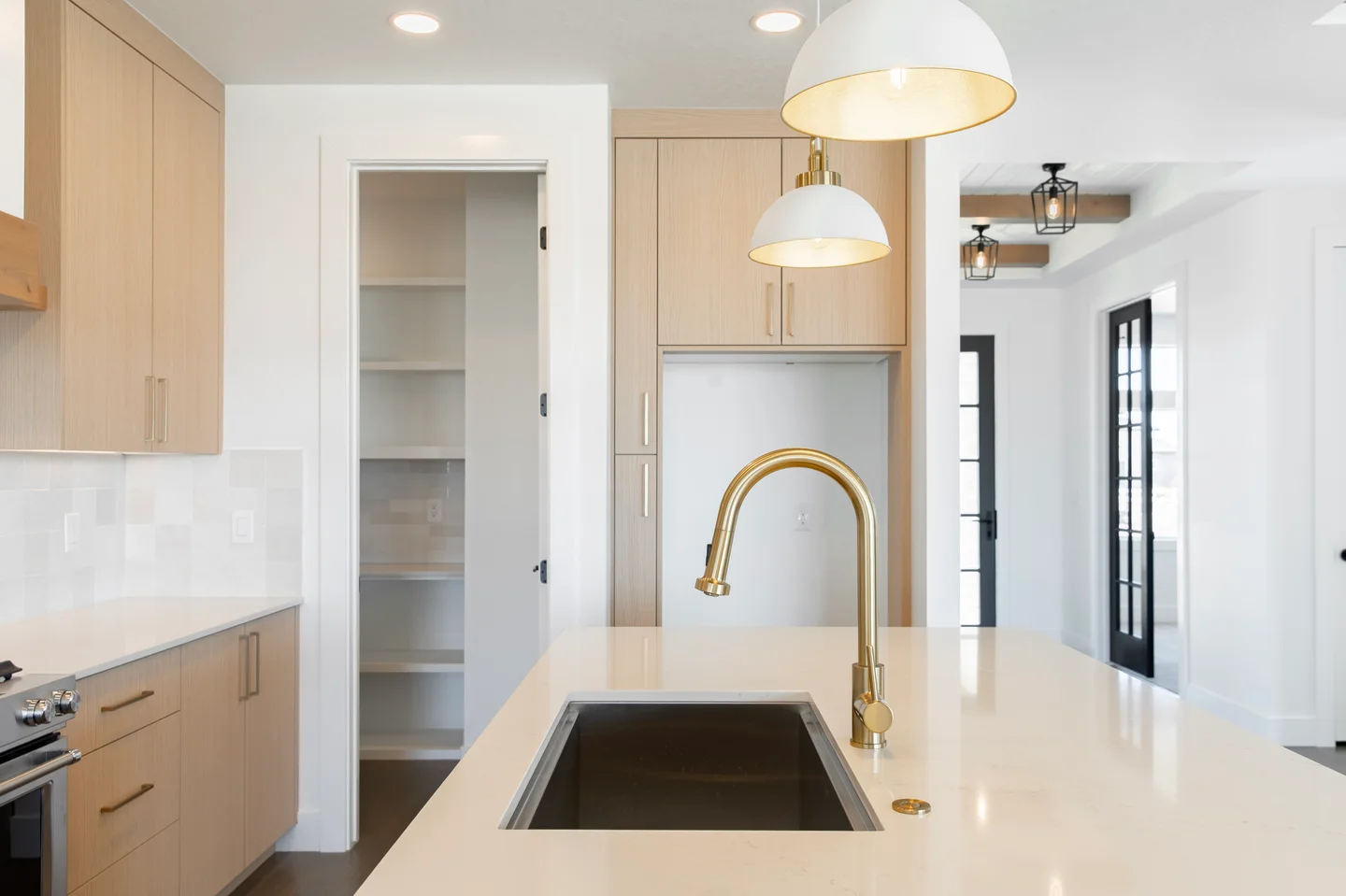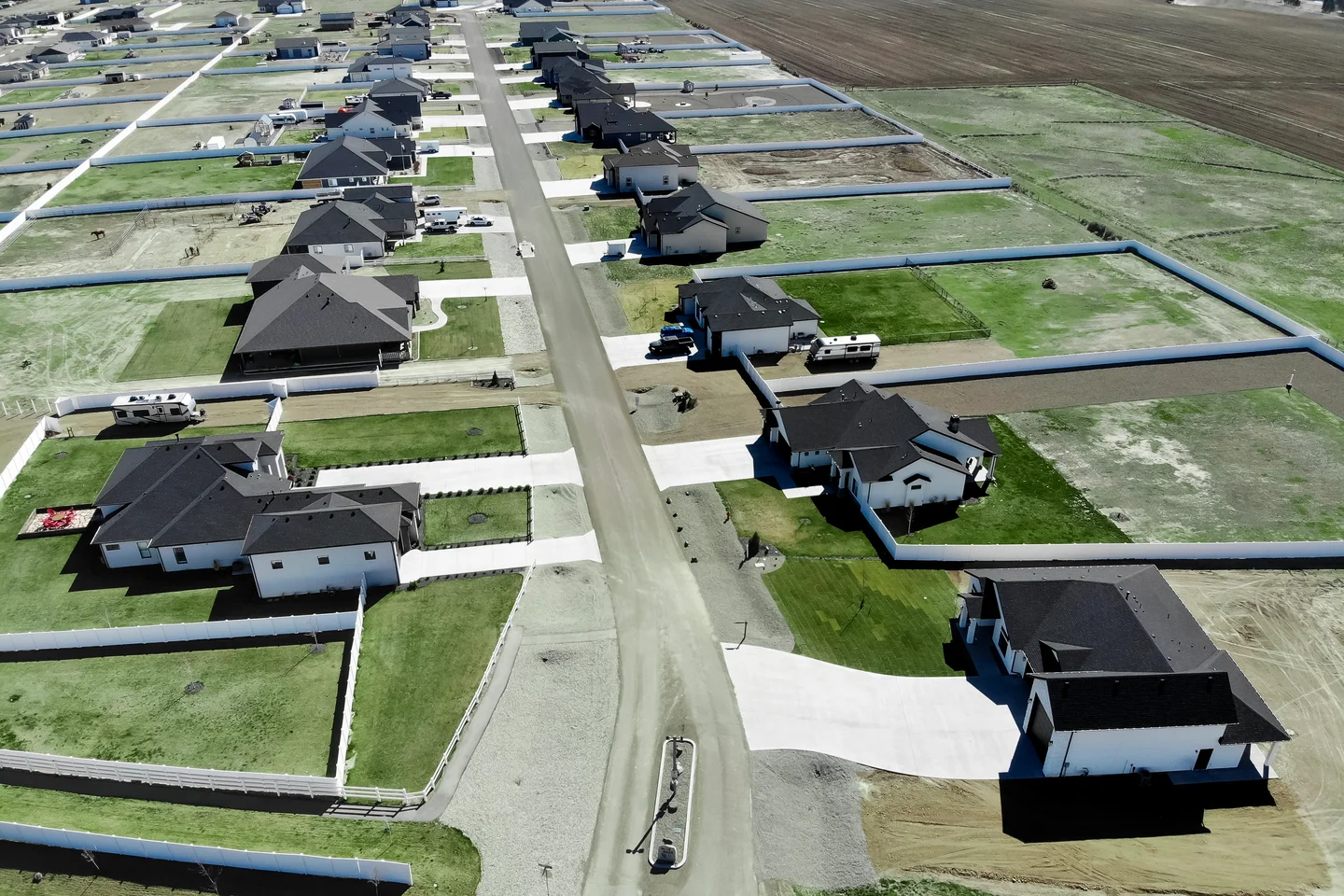

The Treasure Valley has become one of the most desirable places to live in the United States. From the foothills of Boise to the sprawling fields of Star and the riverside charm of Eagle, this region offers a quality of life that is hard to match. As people continue to flock to Idaho, the demand for housing has surged, bringing the topic of new construction pricing to the forefront of many conversations.
If you are considering building a custom home, you have likely heard a wide range of numbers. Some sources might cite price-per-square-foot averages that seem incredibly low, while others share stories of budgets that ballooned unexpectedly. The truth about pricing lies somewhere in the middle, influenced by a complex web of factors unique to our local market.
Understanding what drives new construction costs is the first step toward turning your dream home into a reality. It is not just about the price of lumber or the hourly rate of a plumber; it is about land scarcity, city impact fees, architectural complexity, and the level of finish you desire.
In this comprehensive guide, we will dissect the anatomy of new construction pricing in the Treasure Valley. We will look beyond the sticker price to help you understand where your money goes and how to budget effectively for a custom build in this dynamic market.
The State of the Market: Supply, Demand, and Stability
To understand pricing today, we have to look at the recent history of the Treasure Valley real estate market. A few years ago, we experienced a “gold rush” mentality where prices skyrocketed month over month due to extreme material shortages and a massive influx of out-of-state buyers.
Today, while the market has stabilized compared to those frantic peaks, the baseline for costs has permanently shifted. The “cheap” building era of the early 2010s is gone. We are now in a market defined by sustainable growth, but one where quality labor and prime land remain at a premium.
When you partner with a builder like Eliezer Custom Homes, you are gaining a guide who navigates these market currents daily. We understand that pricing isn’t static; it breathes with the economy. Currently, the Treasure Valley is seeing steady demand for custom homes, particularly from buyers who are unsatisfied with the “cookie-cutter” inventory available in production neighborhoods.
1. Land Costs: The Foundation of Your Budget
Before you pour a single yard of concrete, you have to buy the dirt. In the Treasure Valley, land costs have been the single most significant driver of price increases over the last five years.
Location, Location, Location
The price variance based on location is stark.
- Boise (North End/East End): Buildable lots here are rare. You are often paying a premium for a small lot where you might have to tear down an existing structure (adding demolition costs) just to build.
- Eagle: Known for larger estate lots, Eagle commands some of the highest land prices in the valley. You are paying for the prestige, the views, and the acreage.
- Meridian/Star/Kuna: As you move further west, land becomes more available and generally more affordable, though prices in Star and North Meridian have risen sharply as infrastructure improves.
Developed vs. Undeveloped Land
Buying a finished lot in a subdivision is very different from buying raw land in the county.
- Subdivision Lots: These are “plug and play.” Water, sewer, gas, and power are stubbed to the property line. The road is paved. You pay a higher upfront price for the land, but your site development costs are lower.
- Raw Land: A 5-acre parcel in the foothills might look like a steal until you factor in the cost to bring utilities to the site. Drilling a well, installing a septic system, and running power lines half a mile can easily add $50,000 to $100,000 to your budget before you even start the foundation.
2. Hard Costs: Materials and Labor
“Hard costs” refer to the physical construction of the home—the bricks and sticks. This is usually about 75% of your total budget.
The Lumber Package
Lumber is a commodity, and its price fluctuates on the global market. While we aren’t seeing the extreme volatility of the pandemic era, lumber remains a major expense. Framing a custom home involves not just the 2x4s for the walls, but high-cost engineered lumber like trusses, glulam beams for large open spans, and specialized subflooring.
The Labor Shortage Factor
The construction industry across the US faces a shortage of skilled trades, and Idaho is no exception. As the population grows, the demand for plumbers, electricians, framers, and finish carpenters outpaces the supply.
- Skilled vs. Unskilled: In custom home building, we cannot use unskilled labor. We need craftsmen who can execute complex details. These professionals command higher wages, which is reflected in the build price.
- Subcontractor Availability: Top-tier subcontractors (the ones you want working on your house) are busy. They do not have to compete on price because they compete on quality and reliability.
Concrete and Foundation
The soil conditions in the Treasure Valley vary. In some areas, we find high water tables or expansive clay soils. This requires engineered foundations that are more robust—and expensive—than a standard footer and stem wall. Excavation costs can also vary wildly depending on whether we hit rock (common in the foothills) or easy-to-dig sand.
3. The “Finish Level”: Where Budgets Are Made or Broken
This is the variable that homeowners control the most. Two houses can have the exact same square footage and floor plan, but one costs $400,000 to build and the other costs $700,000. The difference lies in the finishes.
When we talk about custom home building, we categorize finishes into three general tiers to help with budgeting:
Tier 1: Production/Entry Custom
This includes standard materials similar to what you’d find in a high-end tract home.
- LVP (Luxury Vinyl Plank) flooring throughout main areas.
- Carpet in bedrooms.
- Standard quartz or granite countertops.
- Fiberglass tub/shower inserts in secondary baths.
- Hollow-core interior doors.
- Asphalt shingle roof.
Tier 2: Mid-Range Custom
This is the most common tier for our clients. It balances luxury with value.
- Engineered hardwood floors.
- Tile floors in bathrooms.
- Custom cabinetry with soft-close hardware.
- Tiled showers with glass doors.
- Solid-core interior doors.
- Upgraded trim package (crown molding, wainscoting).
- Composite siding or stucco accents.
Tier 3: Luxury Custom
This is for the “dream home” where compromise is minimal.
- Natural stone countertops (Marble, Quartzite) with waterfall edges.
- Top-of-the-line appliances (Wolf, Sub-Zero).
- Site-finished hardwood floors.
- Intricate tile work and heated floors.
- Smart home integration (lighting, audio, security).
- Metal roofing or concrete tile.
- Extensive masonry and timber work on the exterior.
Deciding where you fall on this spectrum early in the process is critical. We often help clients mix and match—perhaps doing a Tier 3 kitchen but keeping secondary bedrooms at Tier 1 to stay on budget.
4. Soft Costs: The Invisible Expenses
Homeowners often forget about “soft costs,” which can account for 10% to 20% of the total project. These are fees for services rather than physical materials.
Architecture and Engineering
A custom home requires a custom set of plans. You aren’t buying a plan off the shelf; you are paying a designer or architect to create a space tailored to your lifestyle. Additionally, every custom plan in the Treasure Valley needs a structural engineer’s stamp to ensure it meets seismic and load-bearing codes.
Permits and Impact Fees
This is a significant cost in our region. Cities like Boise, Meridian, and Nampa charge “impact fees” to offset the strain a new home places on roads, police, fire, and parks.
- Permit Fees: Calculated based on the valuation of the home.
- Sewer/Water Hookup Fees: Can be several thousand dollars.
- School District Fees: Some areas have additional levies.
It is not uncommon to spend $15,000 to $25,000 just on permits and fees before construction begins.
Financing Costs
If you are using a construction loan, you will pay interest only on the amount drawn during the build. With interest rates higher than they were a few years ago, the “carry cost” of the loan during a 9-12 month build is a real line item that must be budgeted.
5. Site Development: Preparing the Canvas
We touched on land earlier, but site development deserves its own section because it is often the biggest “unknown” in pricing.
Grading and Excavation
If your lot is on a slope (common in the Boise Foothills), you will need significant grading. This might involve retaining walls, importing fill dirt, or exporting excess soil. A flat lot in Meridian is cheap to prep; a sloped lot in the Highlands is expensive.
Utilities
In rural areas of the Treasure Valley (like south Kuna or the Eagle foothills), you may need:
- Septic System: $10,000 – $20,000+ depending on soil type (standard vs. sand mound).
- Well Drilling: Priced by the foot. If you hit water at 100 feet, great. If you have to drill to 600 feet, the cost skyrockets.
Landscaping
Most production builders include basic sod and sprinklers. In custom construction, landscaping is often a separate budget. Do not forget to allocate funds for fencing, irrigation, patios, and planting.
The Myth of “Price Per Square Foot”
One of the most dangerous questions a homeowner can ask is, “What is your price per square foot?”
This metric is incredibly misleading in custom home building.
- The Garage Factor: A large garage is cheap square footage (concrete and drywall). A small kitchen is expensive square footage (cabinets, appliances, plumbing). A 3,000 sq ft home with a huge garage will have a lower price per square foot than a 2,500 sq ft home with a luxury kitchen and no garage, even if the total price is similar.
- Covered Patios: Idahoans love outdoor living. Extensive covered patios add cost but aren’t included in the “heated square footage” calculation, which skews the math.
- Volume: A house with 10-foot ceilings and 8-foot doors costs more to frame, drywall, and paint than a house with standard 8-foot ceilings, yet the square footage on the floor is identical.
Instead of focusing on a generic square footage number, focus on the total project cost relative to the features you are getting.
Why Custom Builds Cost More (and Why It’s Worth It)
It is true that building a custom home generally costs more upfront than buying an existing resale home or a production “spec” home.
- Production Homes: Builders build 50 of the same house. They buy lumber in bulk, negotiate volume discounts with trades, and make zero changes to the plan. It is an efficiency game.
- Custom Homes: Everything is a prototype. We are building a one-of-a-kind structure. This requires more management, more time, and higher-skilled labor.
However, the value proposition of custom is undeniable.
- Energy Efficiency: New homes in the Treasure Valley are built to strict energy codes. High-efficiency HVAC, spray foam insulation, and modern windows mean your monthly utility bills will be significantly lower than in an older home.
- Maintenance: You have a warranty. You aren’t worrying about the roof leaking or the water heater dying next month.
- Lifestyle Fit: You aren’t forcing your life into someone else’s floor plan. You are designing the home around your life.
How to Control Costs Without Sacrificing Quality
At Eliezer Custom Homes, we believe in “Value Engineering.” This is the process of getting you the look and function you want at the best possible price.
Simplify the Geometry
A square or rectangular house is the most affordable shape to build. Every time you add a corner, a bump-out, or a complex roofline, you add costs in concrete, framing, and roofing. You can have a stunning home with a simple footprint if you use high-quality siding and windows.
Be Strategic with Splurges
Spend money on things you touch every day (door hardware, kitchen faucets) and things that are hard to change later (windows, insulation, flooring). You can save money on things that are easy to upgrade later, like light fixtures or paint colors.
Finalize Decisions Early
The most expensive words in construction are “Change Order.” Changing your mind after the framing is done or the tile is ordered incurs restocking fees, delays, and extra labor. The more decisions you make during the design phase, the smoother (and cheaper) the build will be.
The Eliezer Approach to Pricing
We know that trust is built on transparency. When we provide an estimate for new construction, we don’t hide the numbers. We provide a detailed breakdown so you can see exactly where every dollar is going.
We work with you to align your vision with your budget. If the initial wish list exceeds the budget, we don’t just say “no.” We say, “Here are some options to get the cost down while keeping the core of what you love.”
Whether you own a lot already or are just starting to look, we can help you evaluate the feasibility of your project. We can walk a piece of land with you and point out potential site costs you might not see.
Conclusion
New construction pricing in the Treasure Valley is a reflection of our region’s growth and the desire for high-quality living spaces. While costs have risen, the investment in a custom home remains one of the best ways to secure your financial future and your family’s comfort.
By understanding the components of the price—land, labor, materials, and fees—you can approach your project with confidence and clarity. You aren’t just spending money; you are investing in a tailored asset designed to serve you for decades.
Are you ready to stop guessing and start planning? If you want a realistic, honest assessment of what it will cost to build your dream home in Boise, Meridian, or Eagle, let’s talk.
Contact us today to schedule a consultation. Let’s build something extraordinary together.
Crafting Beautiful, Quality Homes
Here at Eliezer Custom Homes, we are committed to delivering exceptional quality and service to our clients. Our team is made up of highly skilled professionals who have extensive experience in the construction industry.
Contact Us