When you decide to build a custom home, you are embarking on a journey to create a space that is a true reflection of your vision, values, and lifestyle. You will spend countless hours selecting the perfect floor plan, finishes, and fixtures. But beyond the blueprints and design choices lies an element that will ultimately define your home’s longevity, comfort, and soul: craftsmanship. High-quality craftsmanship is the invisible thread that weaves together every material and detail, transforming a collection of building supplies into a durable, beautiful, and cherished home.
In an industry where speed can sometimes take precedence over precision, understanding and prioritizing craftsmanship is more important than ever. It is the difference between a house that looks good on completion day and a home that feels solid, performs efficiently, and stands gracefully for generations. It’s about the tangible quality you can see and feel—the perfectly mitered corners, the silent floors, the flawlessly set tile—and the intangible peace of mind that comes from knowing your home was built with skill and integrity.
This guide will explore the essence of high-quality craftsmanship in custom homes. We will uncover what sets a masterfully built home apart, examine the key elements that define superior work, and provide insight on how to choose a builder who is truly dedicated to the art of construction.
What is High-Quality Craftsmanship, and Why Does it Matter?
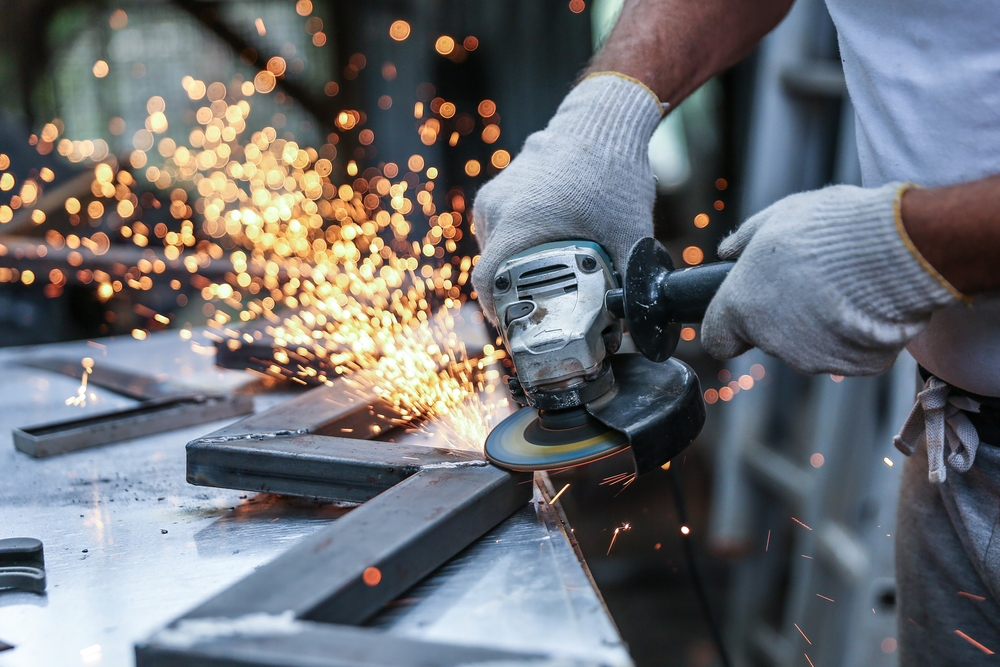
Craftsmanship is the skill, care, and artistry that a builder and their team apply to every aspect of the construction process. It goes far beyond simply following a set of plans; it is a mindset rooted in a deep respect for materials, a commitment to precision, and an unwavering pursuit of excellence. It’s about taking the time to do things the right way, even when the details will be hidden behind walls.
In the context of building a custom home, craftsmanship is the single most important factor in determining the final quality and long-term value of your investment. While good design provides the vision, excellent craftsmanship is what brings that vision to life with integrity and permanence.
The Long-Term Value of a Well-Built Home
A custom home is a significant financial investment. Prioritizing craftsmanship is the best way to protect and grow that investment. A home built with meticulous attention to detail and superior techniques will stand the test of time, requiring fewer major repairs and maintaining its beauty and structural integrity for decades.
Think of the common issues that plague poorly constructed houses: squeaky floors, drafty windows, cracked drywall, and premature material failures. These are almost always symptoms of a lack of craftsmanship. A well-built home is quieter, more comfortable, and more energy-efficient because every joint is tight, every seam is sealed, and every component is installed to perform optimally. When it comes time to sell, a home that showcases superior craftsmanship will always command a higher resale value and attract more discerning buyers. It’s a tangible asset that pays dividends for life.
The Daily Experience of Quality
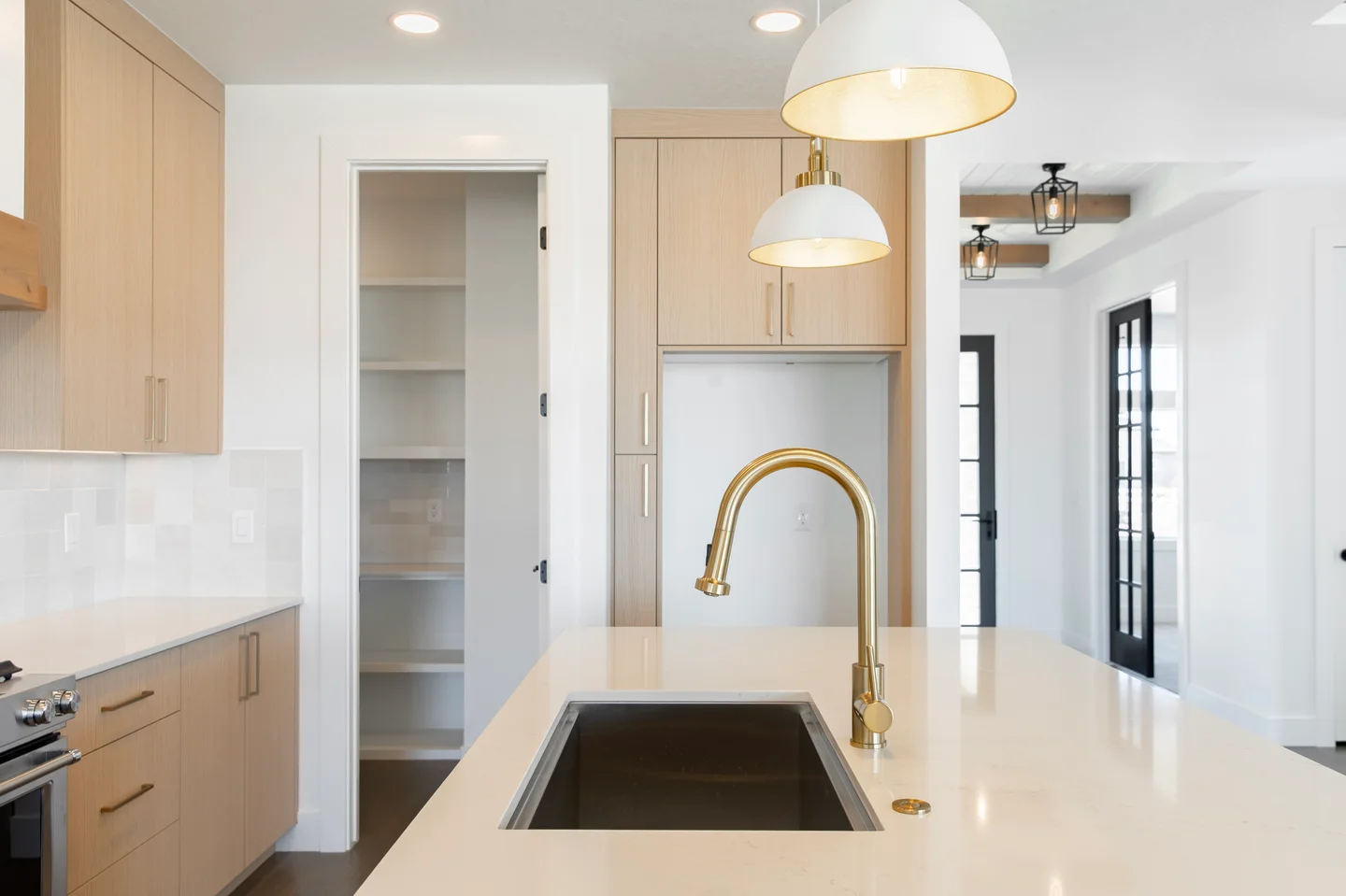
Beyond the financial benefits, the difference in craftsmanship is something you experience every single day. It’s the satisfying, solid feel of a closing door, the seamless transition between flooring materials, the smooth-as-glass finish on a painted wall, and the perfect alignment of cabinetry. These details combine to create a subconscious feeling of comfort, solidity, and peace.
Living in a well-crafted space elevates your daily life. It eliminates the constant annoyance of small imperfections and instills a deep sense of pride and satisfaction in your surroundings. This is the ultimate goal when you set out to build your dream home; to create a sanctuary that supports and enhances your well-being.
A Commitment to Sustainability
High-quality craftsmanship is inherently sustainable. A home built to last does not need to be repaired or replaced as often, which conserves resources and reduces waste. Master craftspeople have a deep understanding of their materials and use them efficiently, minimizing offcuts and construction debris.
Furthermore, a well-crafted home is a more energy-efficient home. The precision involved in high-quality construction—expertly installed insulation, a tightly sealed building envelope, and perfectly fitted windows and doors—prevents energy loss. This means your heating and cooling systems work less, reducing your home’s carbon footprint and lowering your utility bills. This philosophy is central to our work, whether on a new build or in thoughtful remodeling and renovations.
The Hallmarks of Superior Craftsmanship
Recognizing high-quality craftsmanship requires a trained eye, but there are several key areas where the skill of a builder truly shines. When evaluating a potential builder’s work, pay close attention to these elements, as they are telltale indicators of their commitment to quality.
Precision in the Foundation and Frame
The most critical craftsmanship is often in the parts of the house you will never see. The foundation and structural frame are the skeleton of your home, and their quality determines everything that follows.
- A Square, Level, and Plumb Foundation: A master builder ensures the concrete foundation is perfectly square and level. Any deviation here will be magnified throughout the rest of the build, leading to problems with framing, drywall, and even cabinet installation.
- Meticulous Framing: Look at the framing of a home under construction. Are the studs straight, evenly spaced, and securely fastened? Are the cuts clean and the joints tight? A skilled framer works with a level of precision that approaches that of a finish carpenter, knowing that a perfectly plumb and square frame is essential for a flawless finish. The structural integrity of home additions is just as critical as that of a new build.
The Art of the Finish: Trim, Tile, and Paint
Finish work is where craftsmanship becomes most visible. This is the final layer of detail that defines the aesthetic character of your home.
- Trim Carpentry: This is often considered the benchmark of a craftsman. Look at the joints in the baseboards, window casings, and crown molding. Are the mitered corners perfectly tight, with no gaps or visible filler? Do long runs of trim meet in a clean, almost invisible scarf joint? This level of precision requires patience and skill.
- Tile and Stonework: In a kitchen or bathroom, examine the tile. The grout lines should be consistently narrow and perfectly straight. The layout should be balanced and symmetrical, with no awkward, sliver-sized cuts in prominent places. A true artisan plans the layout meticulously before the first tile is ever set.
- Painting and Finishing: A high-quality paint job is more about preparation than application. Surfaces should be flawlessly smooth, with no bumps, drips, or sanding marks. The lines between walls and ceilings, or where paint meets trim, should be razor-sharp. On stained wood, the color should be even and the protective finish clear and consistent.
Seamless System Integration
Craftsmanship also applies to the mechanical, electrical, and plumbing (MEP) systems of your home. While much of this work is hidden, its quality is paramount for your home’s safety and functionality.
- Organized Wiring and Plumbing: If you have the chance to see a home before the drywall is up, look at the plumbing pipes and electrical wires. In a well-built home, they will be run in a neat, organized, and logical fashion. They will be properly secured to the framing to prevent rattling, and carefully protected where they pass through studs. This organization not only reflects a builder’s care but also makes future maintenance far easier.
- Thoughtful Placement: A craftsman considers the final placement of outlets, switches, light fixtures, and HVAC vents. They are not just placed where it’s easiest; they are integrated thoughtfully into the design of each room for both aesthetics and convenience.
The Role of High-Quality Materials
A master craftsman can only produce a masterpiece if they have high-quality materials to work with. A commitment to craftsmanship must be paired with a commitment to using superior building products. While it may be tempting to cut costs by opting for builder-grade materials, this is often a false economy.
Durability and Performance
High-quality materials are engineered to last longer and perform better. For example:
- Windows: Premium windows from a reputable manufacturer will have better thermal performance, more durable hardware, and stronger frames than their budget counterparts. They will operate smoothly for years and do a much better job of keeping your home comfortable.
- Lumber: Using higher-grade, straighter, and properly dried lumber for framing results in a stronger, more stable structure with fewer pops and cracks in the drywall as the house settles.
- Flooring: Solid hardwood or high-quality engineered flooring will resist wear and can be refinished multiple times, while cheap laminate flooring may need to be replaced in just a few years.
A builder focused on craftsmanship will guide you toward materials that offer the best long-term value, even if they have a higher upfront cost. They understand that the house they build is a reflection of their name and reputation.
The Relationship Between Material and Skill
Great craftspeople have a deep respect for their materials. They understand the unique properties of different wood species, the right way to work with natural stone, or the specific techniques required to install a high-performance building product. They know that using a superior material demands a higher level of skill to install it correctly and unlock its full potential.
When a builder advocates for a particular material, ask them why. A true professional will be able to explain the performance benefits, the installation nuances, and why it is the right choice for your specific application. This depth of knowledge is a hallmark of a company dedicated to quality. Learn more about our philosophy on our about page.
Choosing a Builder Who Prioritizes Craftsmanship
Identifying a builder who genuinely embodies the principles of high-quality craftsmanship is the most important step in your custom home journey. It requires research, careful observation, and asking the right questions.
Look Beyond the Portfolio
Every builder has a portfolio of beautiful, finished photos. While these are helpful, they don’t tell the whole story. To truly gauge craftsmanship, you need to dig deeper.
- Visit Active Job Sites: Ask a potential builder if you can visit a home they currently have under construction. This is your best opportunity to see their work “behind the drywall.” Look at the tidiness of the site—a clean site is a safe site and often reflects an organized, methodical approach. Examine the quality of the framing, the organization of the wiring, and the general atmosphere of professionalism among the crew.
- Tour a Completed Home: Ask to walk through a home they completed a few years ago. This will show you how their work holds up over time. Open and close doors and windows. Look closely at the trim and cabinetry. Talk to the homeowners about their experience with the builder and the performance of their home.
Interview and Ask Probing Questions
During the interview process, move beyond questions about price and timeline and delve into their philosophy on quality.
- “How do you ensure quality control?” A great builder will have a clear process. They might talk about their experienced project managers, their detailed checklists, their regular site visits, or their long-term relationships with trusted subcontractors.
- “Tell me about the subcontractors you work with.” The quality of a general contractor’s work is heavily dependent on the quality of their trade partners. A builder committed to craftsmanship will have a team of highly skilled, licensed, and insured electricians, plumbers, and other specialists they have worked with for years. They see them as partners in quality, not just as low-bidders.
- “What is your warranty, and how do you handle callbacks?” A confident builder will offer a comprehensive warranty and have a clear, responsive process for addressing any issues that may arise after you move in. Their answer will reveal their commitment to long-term client satisfaction.
Evaluate their Passion and Professionalism
Finally, trust your intuition. Craftsmanship is born from passion. Does the builder speak about their work with genuine enthusiasm and pride? Do they get excited when talking about a specific building technique or a unique material? This passion is often the driving force behind a commitment to excellence.
A builder like Eliezer Custom Homes who is dedicated to craftsmanship operates with a high level of professionalism. They communicate clearly, provide detailed contracts and specifications, and manage their projects with transparency and integrity.
An Investment in Lasting Excellence
Building a custom home is the opportunity to create a space that will house your family’s memories for generations. The quality of its construction is the foundation upon which those memories will be built. High-quality craftsmanship is not a luxury; it is an essential investment in the durability, comfort, and enduring value of your home.
By understanding what defines superior work, choosing the right materials, and selecting a builder who is a true master of their trade, you ensure that your home is not only built to your specifications but is also built to last. It’s a commitment to excellence that you will appreciate every single day.
If you are ready to begin the journey of creating a custom home defined by exceptional craftsmanship, we invite you to contact us. Let’s discuss your vision and how we can bring it to life with the skill, care, and artistry it deserves.
Crafting Beautiful, Quality Homes
Here at Eliezer Custom Homes, we are committed to delivering exceptional quality and service to our clients. Our team is made up of highly skilled professionals who have extensive experience in the construction industry.
Contact Us