The Treasure Valley is booming. From the vibrant streets of Boise to the sprawling fields of Kuna and the luxury estates of Eagle, this slice of Idaho has become a magnet for those seeking a better quality of life. For many, the ultimate dream isn’t just to move here, but to build a home that is perfectly tailored to their lifestyle. However, before blueprints are drawn or land is cleared, one question looms larger than any other: What are the custom home construction costs in the Treasure Valley?
It is the most common question we hear at Eliezer Custom Homes, and arguably the most difficult to answer with a single number. Building a custom home is not like buying a product off a shelf; it is a service, a process, and a partnership. The price tag depends on thousands of individual decisions, from the complexity of the roofline to the grade of the granite in the kitchen.
In this comprehensive guide, we will pull back the curtain on custom home pricing Idaho. We will break down where your money goes, what factors drive costs up (and down), and how to budget realistically for your dream home in this dynamic market.
The Reality of Cost Per Square Foot
When people ask about building costs, they almost always ask for a “price per square foot.” It seems like a simple metric to compare builders, but in the world of custom homes, it is often misleading.
Why “Price Per Square Foot” is Flawed
Imagine asking a car dealer, “How much is a car per pound?” A luxury sedan and a budget compact car might weigh similar amounts, but their costs—and driving experiences—are vastly different.
The same applies to homes. A 2,500-square-foot home could cost $250 per square foot or $450 per square foot depending on:
- Finishes: Are you installing vinyl plank flooring or site-finished hardwood?
- Design Complexity: Is the home a simple rectangle, or does it have multiple corners and roof peaks?
- Systems: Are you using a standard furnace or a high-efficiency geothermal system?
While building costs Treasure Valley generally have a baseline range, relying solely on this metric can lead to dangerous budget shortfalls. Instead, it is better to look at the cost as a sum of several major categories.
Category 1: Land Acquisition and Site Prep
Before you build the house, you have to secure the dirt. In the Treasure Valley, land costs vary wildly depending on location.
The Cost of Location
- Boise Bench & North End: Land here is scarce. You are often paying a premium for the location, and you may face additional costs for demolition if there is an existing structure.
- Eagle & Star: These areas often feature larger lots or acreage. While the price per acre might be lower than downtown Boise, the total purchase price is often higher due to the sheer size of the parcels.
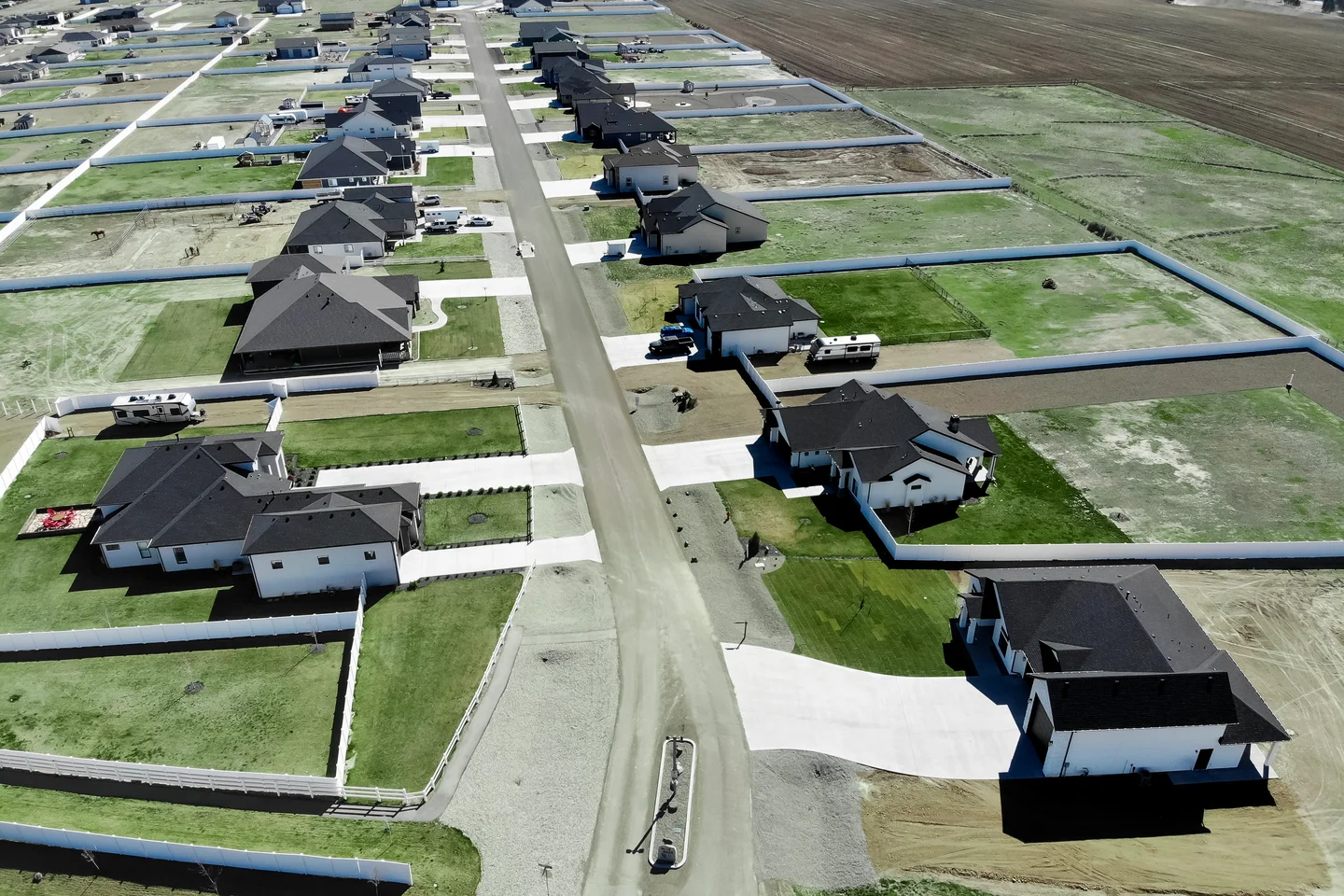
- Meridian & Kuna: These areas are growing fast. Subdivision lots are more predictable in price, but competition can be fierce.
Site Preparation: The Hidden Variable
Buying the land is just step one. Preparing it to build can be a significant portion of your custom home construction costs Treasure Valley.
- Excavation and Grading: Moving dirt costs money. If your lot is on a hillside in the Boise Foothills, you will pay significantly more for engineering, retaining walls, and specialized excavation than you would for a flat lot in Meridian.
- Utilities: If you are building on a city lot, water and sewer are likely at the street. If you are building on rural acreage, you will need to budget for a well (which can cost $15,000–$30,000+) and a septic system.
- Impact Fees: Local municipalities charge fees to offset the impact of new homes on schools, roads, and emergency services. In Ada and Canyon Counties, these can run into the thousands.
Category 2: Hard Construction Costs
These are the “sticks and bricks”—the materials and labor required to physically build the structure. This usually makes up about 50-60% of the total budget.
Lumber and Framing
Lumber prices are a commodity market, meaning they fluctuate based on global supply and demand.
- Framing Labor: The Treasure Valley has a strong trade base, but skilled labor is in high demand.
- Trusses: Roof design heavily impacts cost. A complex roof with steep pitches and dormers requires engineered trusses that are more expensive to manufacture and install than a simple gable roof.
Foundation and Concrete
As mentioned, soil conditions in the valley vary.
- Standard Footings: Common in flat areas with good soil.
- Engineered Foundations: In areas with expansive clay or high water tables (common near the river), you may need over-excavation and structural fill, which adds to the cost.
Exterior Finishes
This is where your curb appeal comes from, and choices here have a huge impact on custom home pricing Idaho.
- Siding: Vinyl is the most affordable, followed by fiber cement (like Hardie Board), with natural wood and cedar being premium options.
- Masonry: Stucco is popular and mid-range in price. Natural stone veneer or full-brick exteriors add significant cost but offer timeless beauty and durability.
- Roofing: Architectural asphalt shingles are the standard. Metal roofing and concrete tiles are upgrades that offer longevity but come with a higher initial price tag.
Windows and Doors
Don’t underestimate this line item.
- Vinyl vs. Wood-Clad: Standard vinyl windows are energy efficient and cost-effective. Wood-clad or aluminum-clad windows offer a higher-end look and more color options but can cost two to three times as much.
- Large Openings: Those massive multi-slide doors that open your living room to the patio are a major trend in Idaho living, but they require structural headers and expensive glazing.
Category 3: Interior Finishes and Systems
This is the “fun stuff”—the parts of the house you will touch and see every day. This category is the most variable because it is entirely driven by your taste.
Cabinetry and Millwork
- Cabinets: In a custom home, you likely aren’t buying flat-pack boxes. Custom cabinetry built by local craftsmen allows for exact sizing and unique finishes.
- Trim: The complexity of your baseboards, crown molding, and window casings adds up.
- Doors: Hollow-core doors are cheap; solid-core doors feel substantial and block sound better but cost more.
Flooring
- Carpet: Generally the most affordable option for bedrooms.
- LVP (Luxury Vinyl Plank): Extremely popular in the Treasure Valley for its durability and water resistance. It mimics wood at a lower price point.
- Hardwood: Site-finished hardwood is the gold standard for luxury but is labor-intensive and expensive.
- Tile: Material costs vary from $2/sq ft for basic ceramic to $50+/sq ft for natural stone or handmade artisan tiles. Labor for tile setting is also significant.
Plumbing and Electrical Fixtures
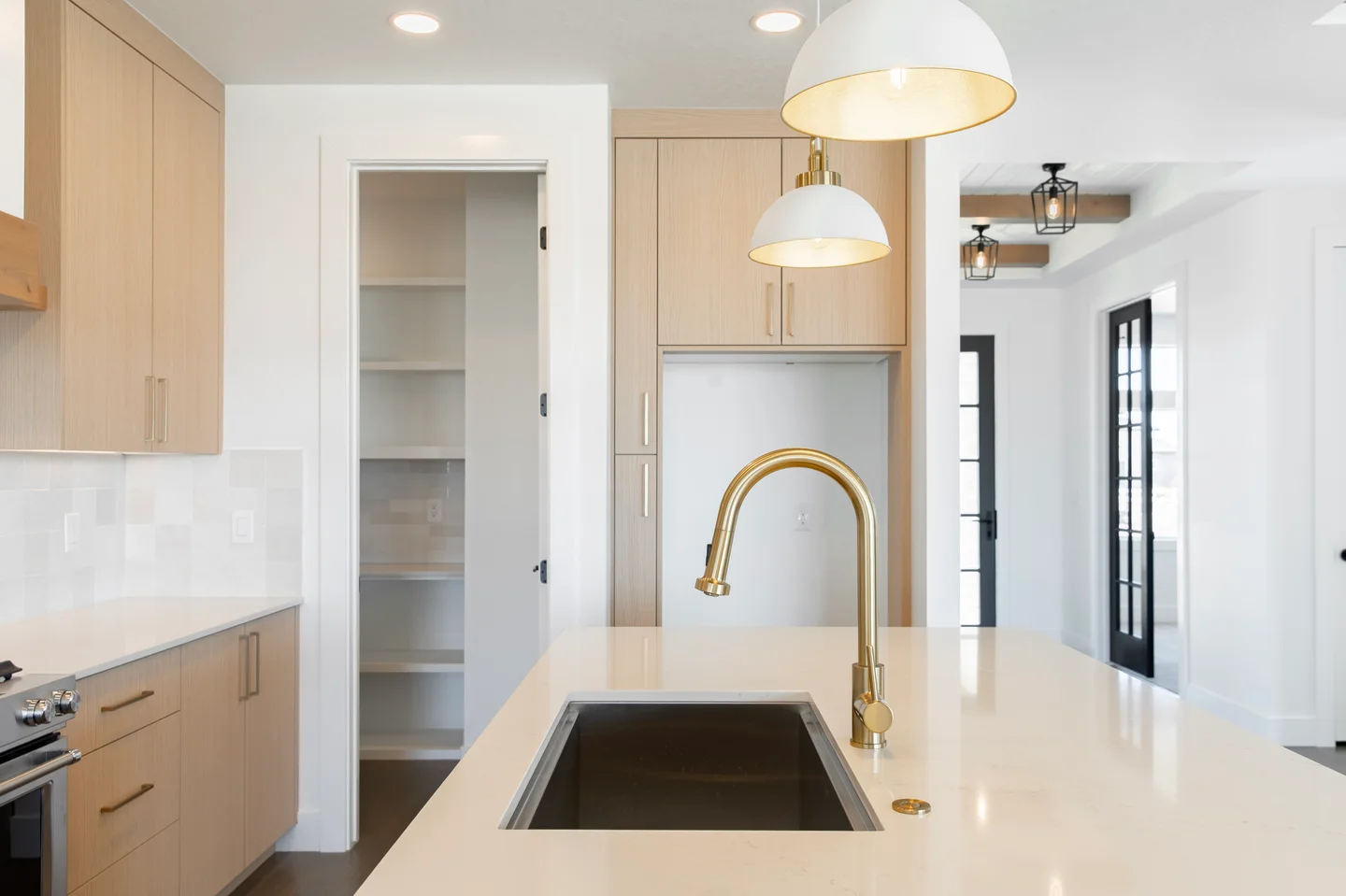
- Plumbing: A basic faucet might cost $100, while a designer brass fixture could be $800. Multiply that by every sink, shower, and tub in the house.
- Lighting: Standard builder-grade lights keep costs down, but most custom clients want statement chandeliers and specialized task lighting.
HVAC and Mechanicals
Given our climate—hot summers and cold winters—efficient systems are non-negotiable.
- Standard: A gas furnace and central AC.
- Upgrades: Multi-zone systems, radiant floor heating, and tankless water heaters increase comfort and efficiency but raise the upfront building costs Treasure Valley.
If you are looking to upgrade these aspects in an existing home rather than building new, our Remodeling & Renovations team can help you navigate these costs on a smaller scale.
Category 4: Soft Costs
These are the fees that don’t result in a physical object but are necessary to get the job done. They can surprise first-time builders.
- Architectural & Engineering Fees: Designing a custom home takes time and expertise. Expect to pay a percentage of construction costs or a flat fee for plans.
- Permits: Building permits, electrical permits, plumbing permits, and HVAC permits all have fees associated with them.
- Insurance: Builder’s risk insurance protects the project during construction.
- Financing Costs: If you are using a construction loan, you will pay interest on the money drawn during the build.
Factors Driving Costs in the Treasure Valley Right Now
The construction market is never static. Several specific factors are influencing custom home construction costs Treasure Valley in the current market.
Labor Shortages
Idaho has been one of the fastest-growing states for years. The demand for skilled tradespeople—electricians, plumbers, framers—often outstrips supply. This competition for labor drives up wages, which translates to higher build costs.
Supply Chain Volatility
While the chaos of the early 2020s has settled, we still see price fluctuations in materials like concrete, insulation, and copper. A builder with strong supplier relationships can often navigate this better than an individual homeowner.
Regulatory Changes
Energy codes are constantly being updated. Newer codes often require higher R-value insulation, better windows, and tighter air sealing. While these save you money on utility bills in the long run, they increase the initial cost of construction.
Budgeting Strategies for Your Custom Build
Knowing that costs can spiral, how do you keep your project on track?
1. Be Honest About Your Budget
Start with a firm number. What is the absolute maximum you can spend? Communicate this clearly to your builder. A good builder will respect your budget and help you design to it, rather than designing a fantasy and trying to value-engineer it later.
2. Prioritize Your “Must-Haves”
You probably can’t have everything. Create a hierarchy of needs.
- Structural First: It is expensive to add square footage or change a roofline later. Prioritize the “bones” of the house.
- Systems Second: Investing in good insulation and HVAC pays dividends in comfort.
- Finishes Third: It is relatively easy to upgrade a laminate countertop to quartz in five years. It is very hard to move a wall.
3. Build a Contingency Fund
Never budget to the last penny. In custom construction, the unexpected happens. You might hit a rock layer while excavating, or you might fall in love with a more expensive tile. We recommend setting aside 10-15% of your total budget as a contingency fund. If you don’t use it, great—buy new furniture!
4. Engage a Builder Early
Many people hire an architect, design a house, and then bid it out to builders, only to find the design costs 50% more than they can afford.
The “Design-Build” or “Pre-Construction” approach is superior. By hiring a builder like Eliezer Custom Homes early, we can provide cost feedback during the design phase. We can tell you, “If you move this wall here, you save $5,000 on framing,” or “That roof pitch is going to require custom trusses.”
The “Cost” of Not Building Custom
When looking at the numbers, some buyers might be tempted to buy a production home or an existing resale home. While the upfront price tag might be lower, there are hidden costs to consider.
The Cost of Compromise
In a resale home, you are paying for someone else’s choices. Maybe the kitchen is closed off, or the master bath is tiny. You live with the daily friction of a layout that doesn’t serve you.
The Cost of Renovation
Many buyers think, “I’ll just buy cheap and renovate.” However, retrofitting an old house often costs more per square foot than building new. You have to pay for demolition, deal with surprises (like old wiring or mold), and work within existing constraints.
The Cost of Energy
Older homes in the Treasure Valley are often poorly insulated. A new custom home is an energy fortress. The monthly savings on heating and cooling can be substantial over the life of the mortgage.
Case Studies: Where the Money Goes
To help visualize, let’s look at hypothetical scenarios for building costs Treasure Valley. Note: These are illustrative examples only and do not represent guaranteed pricing.
Scenario A: The Efficient Rancher
- Size: 2,200 sq ft
- Location: Flat lot in a Kuna subdivision.
- Finishes: Mid-range. LVP flooring, quartz countertops, fiber cement siding, asphalt shingle roof.
- Cost Drivers: Simple roofline, standard 9-foot ceilings, efficient plumbing layout (bathrooms back-to-back).
- Result: This home represents the most cost-effective way to build custom. The money is spent on quality construction but keeps aesthetic splurges to a minimum.
Scenario B: The Foothills Modern
- Size: 3,500 sq ft
- Location: Sloped lot in North Boise.
- Finishes: High-end. Wide-plank hardwood, custom walnut cabinetry, commercial-grade appliances, metal roof accents.
- Cost Drivers: Significant excavation and retaining walls required. Large expanses of glass to capture views. Steel structural elements for open spans. Smart home integration.
- Result: The price per square foot here is significantly higher. A large portion of the budget goes into the site work and the structural engineering required for the modern design.
Why Transparency Matters
At Eliezer Custom Homes, we believe that the only good surprise is a house warming party. We operate with a philosophy of financial transparency.
When you work with us, we provide detailed estimates. We explain what is an “allowance” (a bucket of money set aside for selections like lighting or tile) and track those costs in real-time. If you pick a tile that is over budget, we tell you before it is ordered.
You can learn more about our commitment to integrity and client satisfaction on our About Us page.
Financing Your Custom Home
Understanding how to pay for the project is just as important as the total cost.
Construction Loans
Unlike a traditional mortgage, a construction loan is a short-term loan used to pay for the building process.
- Interest-Only: You typically pay interest only on the amount that has been paid out (drawn) to the builder. This keeps payments lower during construction.
- Draw Process: The bank sends an inspector to verify progress before releasing funds for the next stage of work.
Construction-to-Permanent Loans
Many lenders in Idaho offer a “single-close” loan. This combines the construction loan and the final mortgage into one package. You pay closing costs only once, and the rate is often locked in at the beginning.
Frequently Asked Questions About Custom Home Pricing
Q: Can I save money by doing some work myself?
A: Generally, lenders resist this. They want licensed, insured professionals handling the work to protect their asset. Unless you are a licensed tradesperson, “sweat equity” often delays the project and causes scheduling headaches for the builder.
Q: How long is my price guaranteed?
A: In a volatile market, prices for materials like lumber can only be held for a short time (sometimes 30 days). We work hard to lock in pricing as early as possible.
Q: Are additions cheaper than building new?
A: Not necessarily. Additions involve carefully tying new structures into old ones, which is labor-intensive. Visit our Additions page to understand the specific complexities of expanding your home.
The Value of Professional Guidance
Calculating custom home construction costs in the Treasure Valley is complex. There are no online calculators that can replace the experience of a local builder who is buying materials and hiring labor in this market every day.
Navigating the financial landscape of a custom build requires a guide who is on your side. We help you make value-based decisions—knowing where to spend money for maximum impact and where you can save without sacrificing quality.
Ready to Talk Numbers?
If you are serious about building, the best next step is a consultation. We can look at your land (or help you find it), discuss your wish list, and give you a realistic idea of what your dream might cost in today’s market.
Don’t let the fear of the unknown stop you. Knowledge is power. By understanding the components of custom home pricing Idaho, you can move forward with confidence.
Let’s start the conversation. Visit our Contact Us page today to schedule a meeting. Or, if you are still gathering ideas, check out our Build Your Dream Home page for inspiration. We look forward to helping you build your future in the Treasure Valley.
Crafting Beautiful, Quality Homes
Here at Eliezer Custom Homes, we are committed to delivering exceptional quality and service to our clients. Our team is made up of highly skilled professionals who have extensive experience in the construction industry.
Contact Us