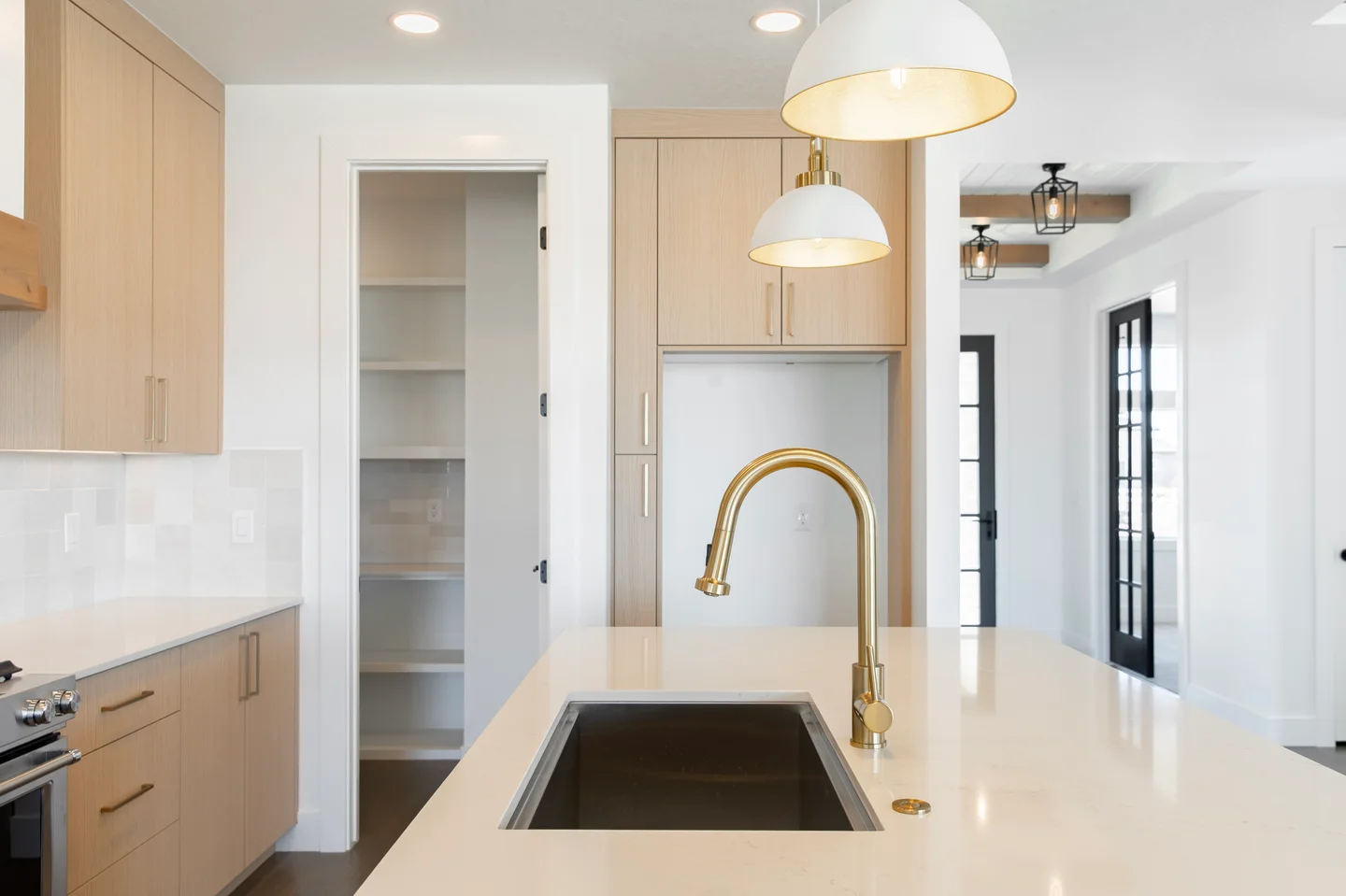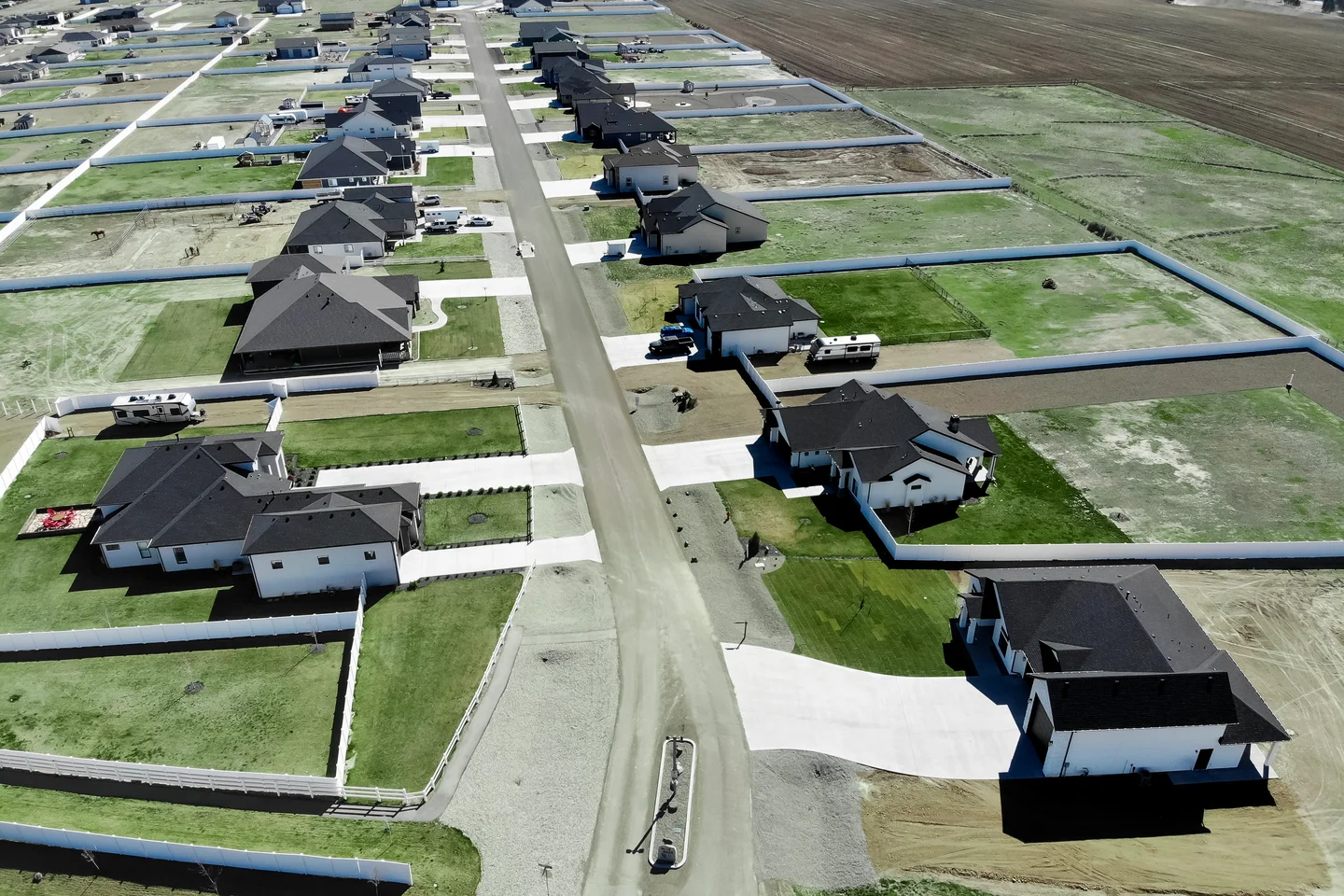

Embarking on a whole house remodel is a significant undertaking, one filled with excitement, anticipation, and more than a few questions. For homeowners in Boise, transforming an existing house into a dream home is a journey that can redefine your living space and enhance your quality of life. But with such a large-scale project, the most common question is often the most challenging: Where do you even begin?
A whole house remodel is more than just a series of smaller projects strung together. It’s a comprehensive reimagining of your home’s flow, function, and aesthetic. This guide will walk you through the essential first steps, from initial vision to hiring the right team. We’ll provide a clear roadmap to help you navigate the complexities of a major renovation in the Boise area, ensuring your project starts on solid ground. With careful planning and the right partners, likeEliezer Custom Homes, you can turn your vision into a beautifully crafted reality.
Understanding the Scope of a Whole House Remodel
Before you start tearing down walls or picking out paint colors, it’s crucial to understand what a whole house remodel entails. Unlike a simple kitchen update or bathroom refresh, this type of project affects the entire structure and its systems. It’s a holistic transformation that requires integrated planning and expert execution.
What Qualifies as a Whole House Remodel?
A whole house remodel typically involves significant changes to multiple rooms and potentially the home’s layout and exterior. This can include:
- Structural Alterations: Removing walls to create an open-concept living space, reconfiguring the floor plan for better flow, or undertaking significant additions to increase square footage.
- System Overhauls: Upgrading or replacing major systems like electrical, plumbing, and HVAC. This is often necessary in older Boise homes to bring them up to modern codes and improve energy efficiency.
- Complete Aesthetic Redesign: Changing the entire look and feel of your home with new flooring, lighting, windows, doors, cabinetry, and finishes throughout.
- Exterior Renovations: Updating siding, roofing, windows, and landscaping to improve curb appeal and protect the home from the elements.
Essentially, if your project involves gutting a majority of the home and starting fresh, you’re looking at a whole house remodel. It’s a commitment, but the reward is a home that is perfectly tailored to your lifestyle. The team at Eliezer Custom Homes specializes in these comprehensive remodeling and renovations, helping Boise homeowners navigate every phase of the process.
The Benefits of a Comprehensive Approach
Why tackle everything at once instead of in phases? While phasing can work for some, a whole house remodel offers distinct advantages:
- Cohesive Design: A single, unified plan ensures that every room flows seamlessly into the next. The finishes, color palettes, and architectural details will feel consistent and intentional, creating a harmonious living environment.
- Cost and Time Efficiency: While the upfront cost is higher, a single large project is often more economical than multiple smaller ones. You can save on labor by having tradespeople on-site continuously and benefit from bulk material purchases. It also condenses the disruption to your life into one defined period.
- Addressing Core Issues: A whole house approach allows you to address underlying problems, such as outdated wiring, inefficient insulation, or hidden structural issues, that might be missed during piecemeal renovations.
- Maximized Home Value: A thoughtfully executed, complete remodel can significantly increase your property’s market value, offering a substantial return on investment should you ever decide to sell.
Phase 1: Vision and Goal Setting
The journey of a thousand miles begins with a single step. For a whole house remodel in Boise, that first step is defining your vision. This is the most creative and personal part of the process, where you dream up what your ideal home will look and feel like.
Define Your “Why”
Start by asking yourself and your family some fundamental questions. Understanding the motivation behind the remodel will guide every decision you make down the line.
- Why are we remodeling? Is your family growing? Are you planning to age in place? Do you entertain frequently? Is the current layout dysfunctional?
- What isn’t working in our current home? Make a detailed list of pain points. Is the kitchen too small and closed off? Is there not enough natural light? Do you lack storage?
- What do we want our new space to achieve? Think about feelings and functions. Do you want a home that feels open and airy? A cozy and private retreat? A hub for family gatherings?
Your answers to these questions will form the foundation of your project goals. For example, if your “why” is to create a more family-friendly environment, your goals might include an open-concept kitchen and living area, a dedicated playroom, and a durable mudroom.
Gather Inspiration and Create a Wishlist
Once you have your “why,” it’s time for the fun part: gathering inspiration. This is where you translate your abstract goals into tangible design ideas.
- Online Platforms: Websites like Pinterest and Houzz are invaluable resources. Create boards for different rooms (kitchen, master suite, living area) and for overall styles (modern farmhouse, mid-century modern, traditional).
- Magazines and Books: Don’t underestimate the power of print. Interior design magazines can offer curated, high-quality inspiration.
- Local Exploration: Pay attention to homes in Boise neighborhoods you admire. Drive around and take note of architectural styles, color schemes, and landscaping that catch your eye.
As you gather ideas, start compiling a wishlist. Divide it into two categories: “must-haves” and “nice-to-haves.”
- Must-Haves: These are the non-negotiable elements your remodel needs to be a success. This could be a fourth bedroom, a functional home office, or moving the laundry room to the main floor.
- Nice-to-Haves: These are the features you’d love to have if the budget and timeline allow, such as a wine fridge, heated bathroom floors, or a built-in sound system.
This prioritized list will be incredibly helpful during the budgeting and design phases, allowing you to make smart decisions about where to allocate your resources.
Phase 2: Budgeting and Financial Planning
With your vision in place, the next step is to ground those dreams in financial reality. A well-planned budget is the most critical tool for a successful remodel. It prevents overspending, reduces stress, and ensures you can complete the project you set out to do.
How to Establish a Realistic Budget
Determining a budget for a whole house remodel can be daunting. Costs in Boise can vary widely based on the size of your home, the quality of finishes, and the extent of structural changes.
- Research Local Costs: Start by getting a general sense of remodeling costs in the Treasure Valley. A good rule of thumb is to budget between 10% and 20% of your home’s current value for a whole house remodel. For a $600,000 home, this would mean a budget ranging from $60,000 to $120,000 or more, depending on the scope.
- Get Preliminary Estimates: While you won’t get a firm quote without detailed plans, you can start conversations with builders. Contacting a custom home builder like Eliezer Custom Homes for a free consultation can provide valuable insight into potential costs based on your initial wishlist.
- Break Down the Costs: A whole house remodel budget isn’t a single number. It’s a collection of many smaller costs. Your builder can help you itemize, but general categories include:
- Design and Architectural Fees (5-15% of total cost)
- Permits and Inspections
- Labor Costs (often the largest component)
- Materials and Finishes (flooring, cabinets, countertops, etc.)
- Appliances, Fixtures, and Lighting
- Landscaping and Exterior Work
Don’t Forget the Contingency Fund
This is non-negotiable. For any large-scale renovation, especially in older homes, you must plan for the unexpected. A contingency fund of 15-20% of your total construction budget is standard. This fund will cover unforeseen issues like discovering mold behind a wall, needing to replace rotted subflooring, or deciding on a last-minute upgrade. Having this buffer prevents a small surprise from derailing your entire project.
Securing Financing
Unless you’re paying with cash, you’ll need to arrange financing before any work begins. Common options for funding a whole house remodel include:
- Home Equity Line of Credit (HELOC): A revolving line of credit that lets you borrow against your home’s equity as needed.
- Home Equity Loan: A lump-sum loan with a fixed interest rate, paid back over a set term.
- Cash-Out Refinance: Refinancing your existing mortgage for a higher amount and taking the difference in cash.
- Construction Loan: A short-term loan specifically for funding a major renovation or new build, which often converts to a traditional mortgage upon completion.
Discuss these options with your bank or a mortgage broker to determine the best fit for your financial situation. Getting pre-approved for financing is a crucial step before signing a contract with a builder.
Phase 3: Assembling Your Professional Team
A whole house remodel is not a DIY project. The success of your renovation hinges on the quality, experience, and communication of the professional team you hire. This is arguably the most important decision you will make.
Key Players in a Whole House Remodel
For a project of this magnitude, you’ll typically need a team led by a general contractor or a design-build firm.
- Design-Build Firm: This is an integrated approach where one company handles both the design and construction phases. Firms like Eliezer Custom Homes offer this streamlined service. The primary benefit is a single point of responsibility, which improves communication, budget control, and project timelines. The designer and builder are on the same team from day one, working together to create a plan that is both beautiful and buildable within your budget.
- Architect/Designer + General Contractor: The traditional model involves hiring an architect or designer to create the plans first, then bidding those plans out to several general contractors. While this can work, it can sometimes lead to designs that are over budget or communication gaps between the design and construction teams.
How to Choose the Right Partner for Your Boise Remodel
Choosing your build partner is like choosing a business partner for the next several months, or even a year. You need a team you can trust.
- Look for Relevant Experience: Don’t just hire a general contractor; hire a contractor who specializes in large-scale residential remodeling and renovations. Ask to see a portfolio of their completed whole house remodels.
- Check Licenses and Insurance: Verify that any contractor you consider is licensed to work in Boise and carries both liability insurance and workers’ compensation coverage. This protects you from liability in case of accidents or property damage.
- Interview Multiple Candidates: Don’t settle for the first firm you talk to. Interview at least three potential partners. Pay attention to their communication style, professionalism, and how well they listen to your ideas. The about us page on a company’s website can give you a feel for their philosophy and values.
- Talk to References: This is a critical step. Ask for a list of recent clients whose projects were similar in scope to yours. Call them and ask about their experience. Were they happy with the quality of the work? Did the project stay on budget and on schedule? How was communication throughout the process?
- Review the Contract Carefully: Before signing anything, review the contract in detail. It should clearly outline the full scope of work, a payment schedule, a projected timeline, and a process for handling changes (change orders). A transparent and detailed contract is the mark of a professional organization.
Choosing a design-build firm simplifies this process, as you are vetting one company to handle everything from initial concept to final walkthrough. It creates a collaborative environment focused on achieving your goals efficiently and effectively.
Phase 4: The Design and Planning Process
With your team in place, the project moves from abstract ideas to concrete plans. This pre-construction phase is where every detail is meticulously planned out before a single hammer is swung. Thorough planning here is the key to a smooth construction process.
Schematic Design
Working with your designer, you’ll start translating your wishlist and inspiration boards into initial floor plans and sketches. This is a collaborative process. The designer will propose layouts for your kitchen, bathrooms, and living spaces based on your goals. You’ll provide feedback, and together you’ll refine the drawings until the overall flow and function are just right. This is the stage to explore big ideas, like moving staircases or vaulting ceilings.
Design Development and Selections
Once the floor plans are finalized, the focus shifts to the details. This is where you’ll make hundreds of decisions that bring the design to life. Your design team will guide you through the process of selecting:
- Exterior Finishes: Siding, roofing, windows, exterior doors, and stone or brick accents.
- Interior Finishes: Flooring (hardwood, tile, carpet), wall and ceiling textures, paint colors, and trim work.
- Cabinetry and Countertops: For the kitchen, bathrooms, laundry room, and any built-ins.
- Plumbing Fixtures: Faucets, sinks, tubs, and shower systems.
- Lighting Fixtures: Both functional (recessed lighting) and decorative (pendants, chandeliers).
- Appliances: The full suite for your new kitchen and laundry.
- Hardware: Door knobs, cabinet pulls, and other finishing touches.
A design-build firm will help manage this process, creating a detailed selections sheet and keeping you on track to avoid delays. They can also leverage their trade relationships to help you source high-quality materials at a good value.
Construction Documents and Permitting
After all selections are made, the team creates the final set of construction documents. These highly detailed blueprints are the instruction manual for the build. They include structural plans, electrical and plumbing layouts, and specifications for every material to be used.
These documents are then submitted to the City of Boise for permitting. The permitting process can take several weeks or even months, depending on the complexity of the project. Your contractor will manage this entire process, responding to any questions from the city and ensuring all plans comply with local building codes. No work can begin until the building permit is issued.
Preparing for Construction
While your team handles the permits, you can prepare your home and your family for the construction phase.
- Plan for Alternative Living: A whole house remodel means you will likely need to move out of your home. The duration can range from six months to over a year. Start looking for a rental property or making arrangements to stay with family well in advance.
- Pack and Store Your Belongings: You will need to completely empty the house. Decide what to put in storage, what to sell or donate, and what to take with you to your temporary housing.
- Establish Communication Protocols: Talk to your project manager about how you will communicate during the build. Will you have weekly on-site meetings? Will they provide updates via a project management app? Clear communication is essential for managing expectations and resolving issues quickly.
Starting a whole house remodel in Boise is a significant endeavor, but it doesn’t have to be overwhelming. By following a structured process—from defining your vision and setting a realistic budget to assembling a professional team—you lay the groundwork for a successful and rewarding project. The most critical decision is choosing a partner who can guide you through every step with expertise and integrity.
At Eliezer Custom Homes, we are passionate about helping homeowners transform their houses into spaces that truly reflect who they are. Our integrated design-build approach ensures a seamless experience, from the first sketch to the final reveal. Whether you’re dreaming of a modern open-concept space or looking to restore the character of an older Boise home, we have the experience and dedication to build your dream home.
If you’re ready to take the first step, schedule your free consultation with us today. Let’s start the conversation about turning your vision into your forever home.
Crafting Beautiful, Quality Homes
Here at Eliezer Custom Homes, we are committed to delivering exceptional quality and service to our clients. Our team is made up of highly skilled professionals who have extensive experience in the construction industry.
Contact Us