The kitchen is often called the heart of the home, a place for nourishment, gathering, and making memories. In many Boise homes, however, the kitchen might be smaller than desired. A compact kitchen presents unique challenges, from limited counter space to cramped storage. But a small footprint doesn’t have to mean sacrificing style or functionality. With smart design and strategic planning, you can transform a tiny kitchen into a beautiful, efficient, and enjoyable space.
This guide is dedicated to providing you with small kitchen remodeling ideas tailored for Boise homes. We will explore how to maximize every square inch, choose materials that enhance the sense of space, and incorporate design trends that are both modern and timeless. Whether you’re in a historic North End bungalow or a newer suburban home, these tips will help you create the kitchen of your dreams. A professional remodel can turn your vision into a reality, and understanding your options is the first step. For homeowners considering a significant transformation, exploringremodeling and renovations services can provide expert guidance.
The Foundation of a Great Small Kitchen Remodel
Before you start tearing down walls or picking out paint colors, a successful remodel begins with a solid plan. A small kitchen requires even more careful consideration to ensure every element works in harmony. This foundational stage is about understanding your space, defining your needs, and setting a clear direction for your project.
Assessing Your Current Kitchen Layout
First, take a hard look at your existing kitchen. What works and what doesn’t? Are you constantly bumping into your partner while cooking? Is there a corner that has become a black hole for clutter? Understanding the pain points is crucial.
Consider the classic kitchen work triangle: the path between the stove, the sink, and the refrigerator. In a small kitchen, this triangle is naturally compact, but is it efficient? A poor layout can make even simple tasks feel cumbersome. Maybe your refrigerator door opens the wrong way, blocking a key pathway. Perhaps your primary prep space is far from the sink. Sketch out your current layout and trace your typical movements during meal prep to identify these inefficiencies.
Defining Your Goals and Priorities
What do you want to achieve with this remodel? Your goals will guide every decision you make. Are you looking for:
- More Storage: Is your primary goal to eliminate clutter and find a home for every pot, pan, and appliance?
- Better Flow: Do you want to create a more open and accessible space for cooking and entertaining?
- Updated Aesthetics: Is your main motivation to modernize a dated design and create a more beautiful environment?
- Increased Home Value: Are you remodeling with an eye toward future resale value?
List your priorities in order of importance. This will help you make tough decisions when balancing your budget and your wishlist. If you are unsure where to start, seeking a professional consultation can provide clarity. You can contact us to discuss your project goals with experienced builders.
Setting a Realistic Budget
A kitchen remodel is a significant investment. Your budget will determine the scope of your project, from the materials you choose to the extent of structural changes. Research the average cost of kitchen remodels in the Boise area to get a baseline. Be sure to account for:
- Design and Planning Fees: If you hire a designer or architect.
- Materials: Cabinets, countertops, flooring, backsplash, fixtures.
- Appliances: Refrigerator, oven, dishwasher, microwave.
- Labor: Costs for contractors, electricians, plumbers, and installers.
- Contingency Fund: Always set aside 15-20% of your total budget for unexpected issues that may arise during demolition and construction.
Being transparent about your budget with your contractor from the beginning is key to a successful partnership. It allows them to suggest the best solutions within your financial parameters.
Space-Maximizing Layouts for Boise Kitchens
The layout is the backbone of your kitchen. In a small space, the right layout can make the difference between a cramped, frustrating room and an open, functional hub. Here are a few popular and effective layouts for small kitchens.
The Galley Kitchen Reimagined
The galley kitchen, with two parallel walls of cabinets and counters, is a classic for a reason. It’s incredibly efficient, creating a streamlined corridor for cooking. To prevent it from feeling like a narrow tunnel, consider these modern updates:
- Open One Wall: If structurally possible, remove the upper cabinets from one wall. Replace them with open shelving or a striking backsplash that extends to the ceiling. This visually opens up the space and creates a focal point.
- Integrate a Pass-Through: If one of the walls adjoins a dining or living area, creating a pass-through or a breakfast bar can connect the spaces and make the kitchen feel larger and more sociable.
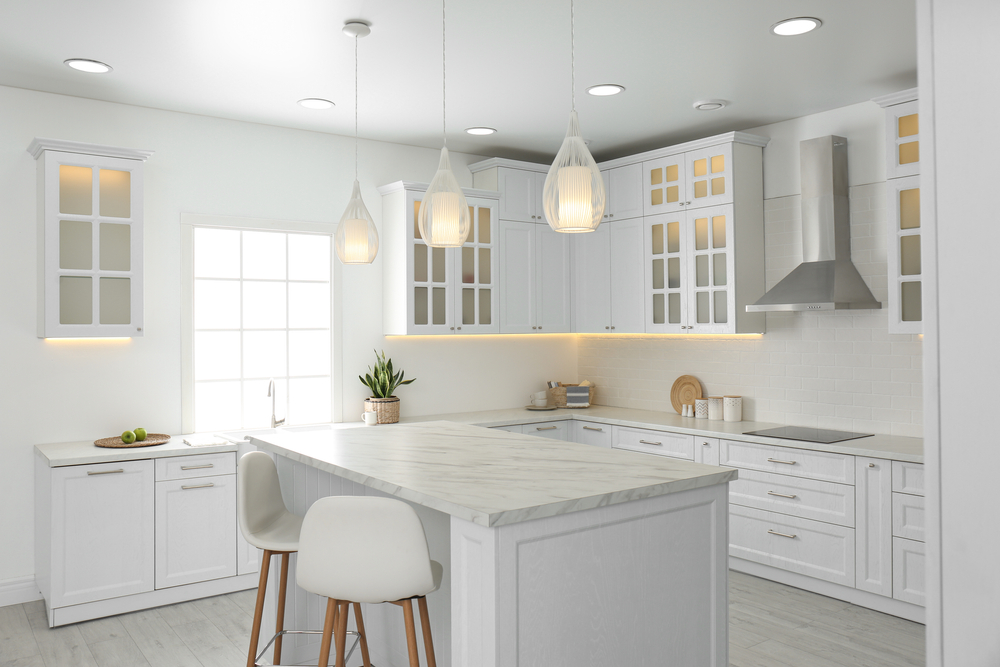
- Strategic Lighting: Use under-cabinet lighting to brighten the countertops and pendant lights to draw the eye upward, creating an illusion of height.
The L-Shaped Kitchen
An L-shaped layout uses two adjacent walls, leaving the other two open. This is a great option for creating an open-concept feel in a small Boise home. It naturally opens up to an adjacent dining area, making it ideal for entertaining.
- Corner Solutions: Maximize the corner space with a lazy Susan, pull-out shelving, or a corner sink. This often-wasted area can become a storage powerhouse.
- Add an Island (If Space Allows): A small, movable island or a slim rolling cart can add valuable prep space and storage without permanently closing off the layout. Choose one with an open base to maintain a feeling of spaciousness.
The One-Wall Kitchen
Common in smaller condos, apartments, and historic homes, the one-wall kitchen lines up all appliances and cabinets along a single wall. The challenge is creating enough storage and counter space.
- Go Vertical: Utilize the full height of the wall. Install cabinets that reach the ceiling to store less-frequently used items.
- Smart Appliances: Choose compact or multi-functional appliances. A smaller 24-inch refrigerator or a combination microwave/convection oven can save precious inches.
- Fold-Down Surfaces: Consider a fold-down table or countertop section that can be raised for extra prep space when needed and lowered to save room when not in use.
For those dreaming of a completely new space, the principles of efficient layout are also fundamental when you build your dream home with Eliezer Custom Homes.
Smart Storage Solutions: Every Inch Counts
In a small kitchen, clever storage is not a luxury; it’s a necessity. The goal is to maximize storage capacity while maintaining a clean, uncluttered look.
Cabinetry That Works Harder
Your cabinets are your primary storage tool. Think beyond standard boxes and explore options that make better use of space.
- Floor-to-Ceiling Cabinets: As mentioned, extending your cabinets to the ceiling eliminates the dust-collecting gap above and provides significant extra storage for seasonal items or special occasion dinnerware. A small step stool can be neatly tucked away in a toe-kick drawer.
- Deep Drawers Instead of Lower Cabinets: Large, deep drawers for pots, pans, and even dishes are often more accessible and organized than standard lower cabinets. You can see everything at a glance without having to crouch down and dig into a dark recess.
- Toe-Kick Drawers: The space under your base cabinets is typically wasted. Installing shallow toe-kick drawers is a genius way to create storage for flat items like baking sheets, serving platters, or placemats.
Creative Shelving and Racks
Not everything needs to be hidden behind a cabinet door. Open storage can make a kitchen feel more airy and personal.
- Open Shelving: Replacing a few upper cabinets with open shelves can visually expand the room. Use them to display attractive dishes, glassware, or cookbooks. Just be mindful to keep them tidy to avoid a cluttered look.
- Wall-Mounted Racks: A magnetic knife strip, a pot rack, or a rail system with hooks for utensils can free up valuable drawer and counter space. These elements add an industrial-chic or farmhouse vibe, depending on the material you choose.
- Inside Cabinet Organizers: Don’t forget the space inside your cabinets. Use tiered shelves for spices, pull-out organizers for trash and recycling, and door-mounted racks for cleaning supplies to maximize every cubic inch.
Choosing Materials to Enhance Space
The materials you select for your floors, countertops, cabinets, and backsplash have a huge impact on how large your kitchen feels. The right choices can trick the eye and create an illusion of spaciousness.
Light and Bright Color Palettes
It’s a well-known design principle that light colors make a room feel bigger and brighter. This is especially true in a kitchen.
- Cabinets: White, light gray, pale blue, or soft beige cabinets reflect light and visually recede, making the room feel more open.
- Countertops: Choose light-colored countertops like quartz, light granite, or butcher block. A countertop with subtle veining or a uniform pattern is less busy than one with a bold, dramatic design.
- Walls and Backsplash: Painting the walls a light, neutral color is a safe bet. For the backsplash, consider glossy or reflective tiles, like glass or ceramic, which will bounce light around the room.
The Power of Reflective Surfaces
In addition to light colors, surfaces that reflect light can dramatically enhance the sense of space.
- Glossy Finishes: High-gloss cabinet doors or a polished countertop can act like a mirror, reflecting light and views.
- Mirrored Backsplash: A mirrored or antique-mirrored backsplash is a bold choice that can visually double the size of your kitchen. It’s a fantastic way to make a narrow galley kitchen feel wider.
- Stainless Steel Appliances: The reflective nature of stainless steel can also contribute to a brighter, more open feel.
Continuity in Flooring
To make the kitchen feel like a seamless extension of the rest of your home, use the same flooring material that’s in the adjacent room. This eliminates visual breaks and makes the entire area feel larger and more cohesive. If you must use a different material, choose a color and tone that closely matches the adjoining floor. Large-format tiles with minimal grout lines also create a more expansive look than small, busy tiles. Our team at Eliezer Custom Homes has extensive experience in sourcing and installing materials that achieve this effect.
Appliance and Fixture Selection
In a small kitchen, every appliance and fixture must be chosen with care. Size, scale, and functionality are paramount.
Right-Sized and Integrated Appliances
Appliance manufacturers have responded to the trend of smaller living spaces with a range of compact and “counter-depth” options.
- Counter-Depth Refrigerators: A counter-depth refrigerator sits nearly flush with your cabinets, saving several inches of precious floor space and creating a sleek, built-in look.
- Slimmer Appliances: Consider a 24-inch dishwasher or a 24-inch range instead of the standard 30-inch models. For many Boise households, these smaller options are more than adequate.
- Appliance Garages: Hide small appliances like toasters, blenders, and coffee makers in a dedicated “appliance garage” to keep countertops clear and uncluttered.
Fixtures That Make a Statement
Fixtures are the jewelry of the kitchen. Choose pieces that are functional but also add style without overwhelming the space.
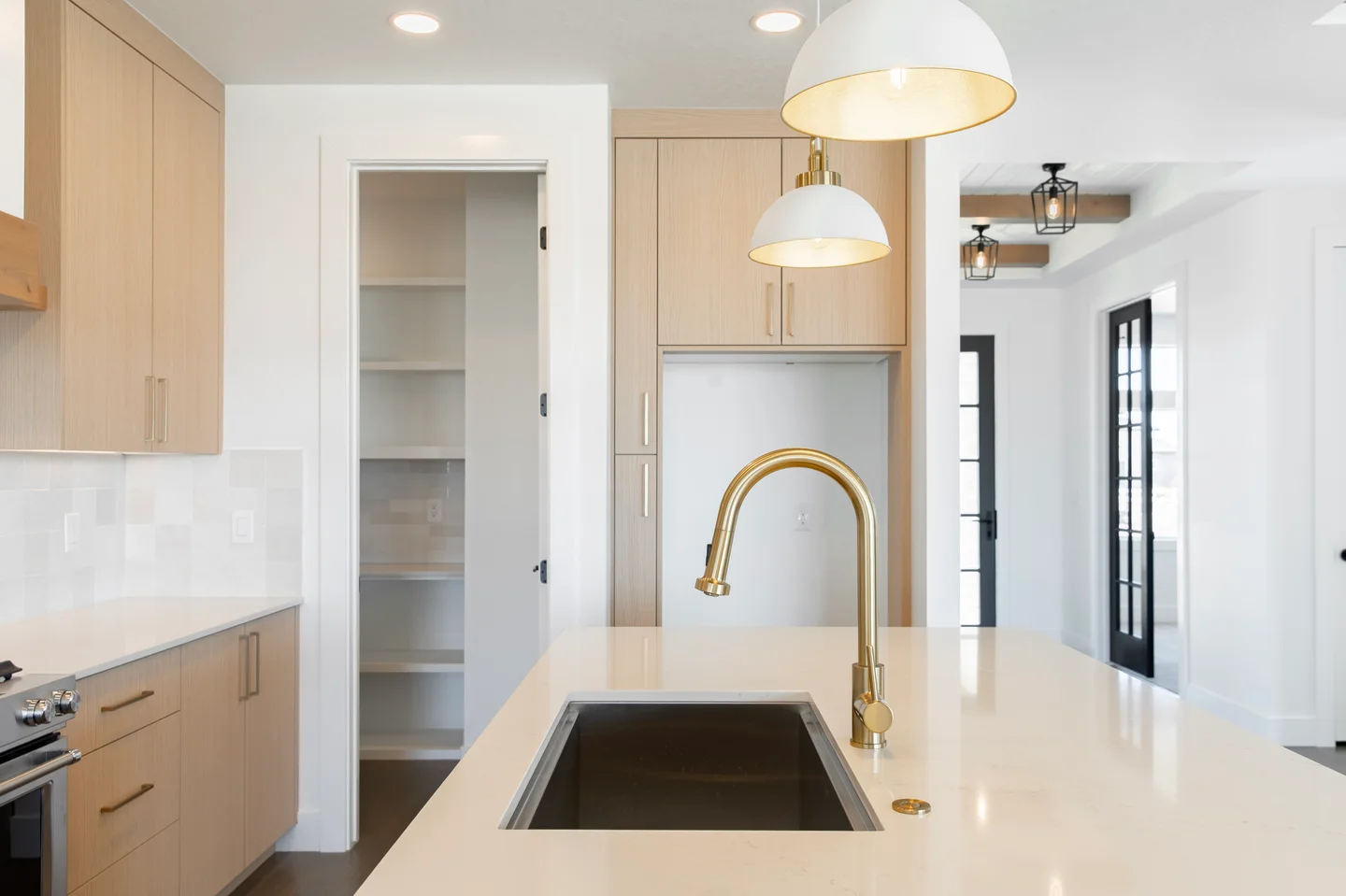
- Sleek Faucets: A high-arc, pull-down faucet is both practical and elegant. It makes washing large pots easier and its verticality draws the eye upward. Finishes like matte black, brushed gold, or champagne bronze can add a touch of modern luxury.
- Single-Basin Sinks: A large, single-basin undermount sink can often be more practical in a small kitchen than a divided double-basin sink. It can easily accommodate large pans and creates a seamless look with the countertop.
- Minimalist Hardware: For a clean, modern aesthetic, consider handleless cabinets with push-to-open mechanisms or cabinets with integrated pulls. If you prefer traditional hardware, choose sleek, simple pulls or knobs that don’t protrude too far.
Lighting: The Secret Ingredient
Proper lighting can completely transform a small, dark kitchen into a bright and inviting space. A layered lighting plan is essential.
Ambient Lighting
This is the overall illumination for the room. Recessed can lights are a great option for small kitchens as they provide even, widespread light without taking up any visual space. A stylish flush-mount or semi-flush-mount ceiling fixture can also work well.
Task Lighting
This is focused light for your work areas. The most important place for task lighting is under the upper cabinets. LED strip lighting is an energy-efficient and low-profile way to brightly illuminate your countertops for safe and easy food prep.
Accent Lighting
Accent lighting adds depth and character. Consider a pair of beautiful pendant lights over a small peninsula or a single, striking pendant in the center of the room. Glass or open-frame pendants are excellent choices for small kitchens because they don’t block sightlines.
Bringing It All Together: Working with Professionals
A small kitchen remodel is a complex project with many moving parts. While some homeowners may be avid DIYers, partnering with a professional team can ensure the project is completed efficiently, on budget, and to the highest standard of quality. To learn more about our company and our commitment to craftsmanship, visit our about page.
An experienced contractor can help you navigate the complexities of a remodel, from securing the necessary permits in Boise to coordinating plumbers, electricians, and installers. They have the expertise to foresee potential problems and provide creative solutions that you might not have considered. Whether you’re making cosmetic updates or planning a major overhaul that might even involve additions to your home, professional guidance is invaluable.
A small kitchen doesn’t have to be a limitation. With thoughtful planning, smart design choices, and a focus on functionality, your Boise kitchen can become a space that is not only beautiful but also a joy to cook and live in. By maximizing storage, choosing light-enhancing materials, and investing in a functional layout, you can create a kitchen that feels spacious, open, and perfectly suited to your lifestyle.
Ready to start planning your kitchen transformation? Schedule your free consultation with us today, and let’s explore the possibilities for your home.
Crafting Beautiful, Quality Homes
Here at Eliezer Custom Homes, we are committed to delivering exceptional quality and service to our clients. Our team is made up of highly skilled professionals who have extensive experience in the construction industry.
Contact Us