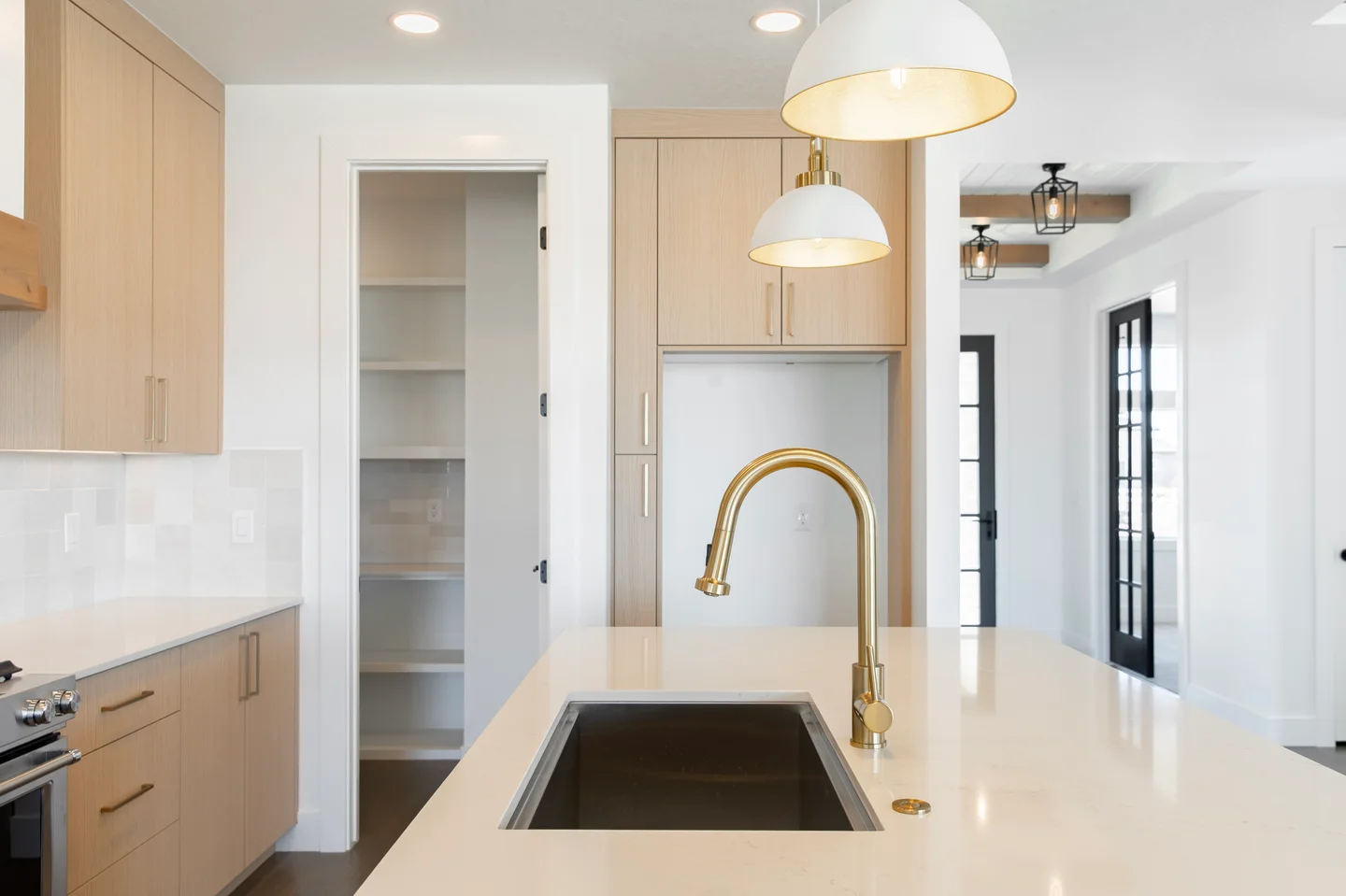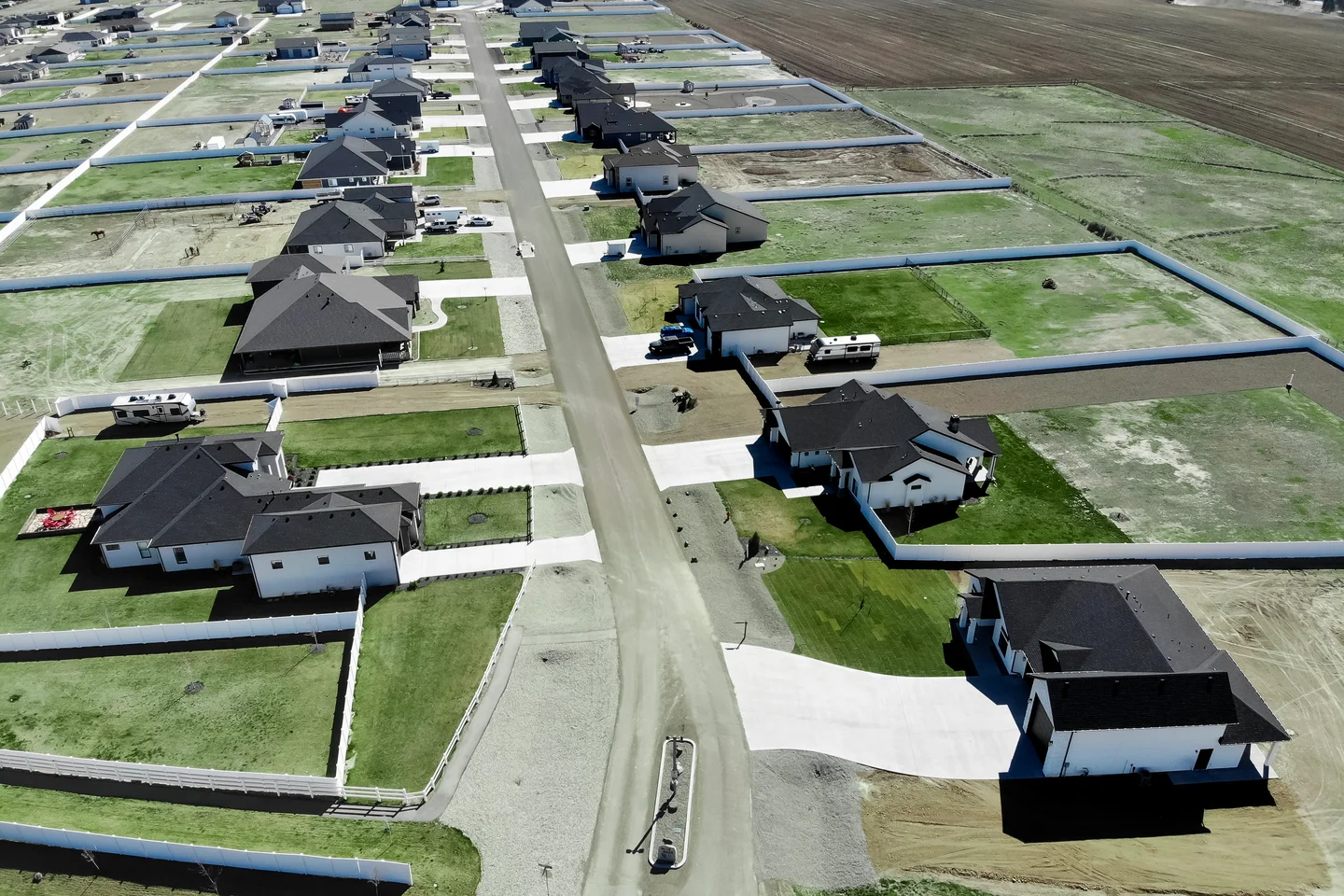

Eagle, Idaho, is synonymous with spacious living, scenic beauty, and a strong sense of community. Homes here often reflect these values, boasting generous square footage and designs that blend rustic charm with modern luxury. However, having a large home doesn’t automatically equate to a functional one, especially when it comes to the kitchen.
The kitchen is more than just a place to cook; it is the hub of family life. In Eagle, where entertaining neighbors and hosting large family gatherings is a way of life, the layout of your kitchen dictates the flow of your entire home. A poorly designed layout can turn meal prep into a chore and isolate the cook from the party. Conversely, a thoughtful layout enhances efficiency, encourages social interaction, and increases the value of your property.
Choosing the right layout is one of the most critical decisions you will make during a remodel or new build. It requires balancing architectural constraints with your personal lifestyle. Do you need a command center for a busy family of five? Or a sleek entertainment space for cocktail parties?
At Eliezer Custom Homes, we understand the unique needs of Eagle homeowners. We specialize in transforming spaces to meet the high standards of this community. In this comprehensive guide, we will explore the best kitchen layouts for Eagle homes, helping you determine which design will turn your kitchen into the dream space you deserve.
The Foundations of a Great Kitchen Layout
Before diving into specific shapes and configurations, it is essential to understand the core principles that make a kitchen work. Regardless of the footprint, every great kitchen relies on workflow.
The Evolution of the Work Triangle
For decades, kitchen design revolved around the “Work Triangle”—the imaginary line connecting the sink, the refrigerator, and the stove. The theory was that keeping these three points close prevented the cook from walking unnecessary miles while preparing dinner.
While the work triangle is still relevant, modern life in Eagle has evolved. Kitchens are now multi-cook spaces. One person might be chopping vegetables at the island while another is checking the roast, and the kids are grabbing snacks from the fridge.
Today, we think in terms of Work Zones:
- Prep Zone: Near the sink and trash, with ample counter space.
- Cooking Zone: Centered around the range or cooktop, with pots and spices within reach.
- Storage Zone: The refrigerator and pantry, accessible without crossing the cooking zone.
- Cleaning Zone: The sink and dishwasher, ideally separate from the prep area to avoid congestion.
Why Layout Matters in Eagle
Eagle homes present unique opportunities. Unlike tighter urban lots in downtown Boise, properties here often have the luxury of space. This allows for grand islands, butler’s pantries, and open-concept designs that connect the kitchen to the Great Room and outdoor patios.
However, “big” can also mean “inefficient” if not planned correctly. Placing the fridge 15 feet away from the stove might look impressive on a floor plan, but it is frustrating in practice. Our goal at Eliezer Custom Homes is to harness that space to create intimacy and function simultaneously.
Top Kitchen Layouts for Eagle Homes
Let’s examine the most effective layouts, analyzing their pros, cons, and suitability for the Eagle lifestyle.
1. The L-Shaped Kitchen with Island
This is arguably the most popular layout for modern Eagle homes, particularly those with an open floor plan.
How it Works:
As the name suggests, the layout uses two adjacent walls to form an “L.” This opens up the center of the room, which is almost always filled with a large island.
Why it Fits Eagle:
- Open Concept: It seamlessly connects the kitchen to the dining and living areas, perfect for the “Great Room” architecture common in Eagle subdivisions like Two Rivers or Legacy.
- Entertaining: The island becomes the natural gathering point. Guests can sit and chat without being in the cook’s way.
- Flexibility: It accommodates multiple cooks easily.
Design Tip:
Maximize the island. In larger Eagle homes, we often design double islands—one for food prep with a sink, and a second one exclusively for seating and serving. This creates a dedicated “entertainment zone” separate from the “work zone.”
2. The U-Shaped (Horseshoe) Kitchen
The U-shaped kitchen occupies three walls of cabinetry and appliances. It is a powerhouse of efficiency.
How it Works:
This layout wraps around the cook, placing everything within easy reach. It creates a distinct kitchen “room” even within an open floor plan.
Why it Fits Eagle:
- Storage King: With three walls of cabinets, storage is rarely an issue. This is ideal for large families who buy in bulk.
- Counter Space: You get continuous countertops, providing distinct zones for baking, prepping, and coffee stations.
- Traffic Control: Because it has only one entry/exit point (usually), it keeps pass-through traffic out of the cook’s way. This is a safety feature for families with young children.
Design Tip:
If the U-shape feels too enclosed, consider swapping upper cabinets on one wall for open shelving or large windows looking out to the foothills. This maintains storage while adding airiness.
3. The One-Wall Kitchen with Island
For the modern, minimalist homes popping up near the Boise River, the one-wall kitchen is a sleek, sophisticated choice.
How it Works:
All major appliances and cabinets are anchored to a single wall. A long, parallel island houses the sink or cooktop and provides additional storage and workspace.
Why it Fits Eagle:
- Space Saver: It is incredibly efficient, leaving more square footage for living and dining areas.
- Modern Aesthetic: It creates clean lines and an uncluttered look that complements contemporary architecture.
- Accessibility: It is arguably the most open layout, removing all barriers between the chef and the family.
Design Tip:
Because storage is limited to one wall and the island, a walk-in pantry is crucial for this layout. We often design hidden “scullery” pantries behind the main wall to house small appliances and dry goods, keeping the main kitchen pristine.
4. The Galley (Corridor) Kitchen
Often thought of as a solution for small apartments, the galley kitchen is making a comeback in high-end homes as a “chef’s kitchen.”
How it Works:
Two parallel runs of units form a central corridor. It is strictly business.
Why it Fits Eagle:
- Chef’s Choice: Professional kitchens are almost always galleys because they are the most efficient. You simply turn around to reach the sink from the stove.
- Designated Spaces: In very large custom homes, we sometimes see a Galley kitchen used as a secondary “prep kitchen” or catering kitchen, hidden away from the main entertaining kitchen.
Design Tip:
Width is key. To avoid the “tunnel” feeling, the aisle should be wide enough (at least 4-5 feet) to allow two people to pass comfortably and for dishwasher and oven doors to open simultaneously without clashing.
Tailoring the Layout to Your Lifestyle
A layout isn’t one-size-fits-all. When you work with Eliezer Custom Homes on a remodeling and renovations project, we dig deep into how you actually live.
The “Entertainer” Package
If you host the annual neighborhood block party or Thanksgiving for 30 people, your kitchen needs to perform.
- Recommended Layout: L-Shape with Double Islands.
- Key Features: A beverage center (wine fridge, ice maker) placed on the outer edge of the kitchen so guests can grab drinks without entering the prep zone. A warming drawer to keep food hot.
- Flow: Ensure there is a direct path from the kitchen to the outdoor patio or BBQ area.
The “Busy Family” Package
For families with kids in sports and school in Eagle, mornings are chaotic and evenings are rushed.
- Recommended Layout: U-Shape with a Peninsula or Island.
- Key Features: A dedicated breakfast station or coffee bar where kids can grab cereal without blocking the fridge. Durable surfaces like quartz that can withstand homework sessions and science projects.
- Flow: The refrigerator should be easily accessible from the edge of the kitchen for quick snack grabs.
The “Empty Nester” Package
For couples whose children have moved out, the kitchen becomes a place of intimate dining and hobby cooking.
- Recommended Layout: One-Wall with a Large Island or a cozy G-Shape (U-shape with a peninsula).
- Key Features: Universal design elements like pull-out drawers instead of lower cabinets (easier on the back) and varied counter heights. High-end appliances tailored to specific cooking interests (e.g., a steam oven or espresso machine).
- Flow: A layout that encourages conversation, allowing one person to cook while the other sits at the island with a glass of wine.
Architectural Considerations for Eagle Homes
The structure of your home dictates what is possible. Eagle has a diverse mix of architectural styles, each presenting unique challenges and opportunities.
Renovating Historic Farmhouses
Older homes often have closed-off kitchens separated from the dining room.
- Challenge: Small, boxy rooms.
- Solution: We often recommend removing non-load-bearing walls to create an open concept. If walls cannot be moved, we look at additions to expand the footprint physically, allowing for that coveted island layout.
Updating 1990s/2000s Suburban Homes
Many homes in Eagle built 20 years ago feature awkward angles and oversized, inefficient pantries.
- Challenge: Wasted space and “builder-grade” layouts.
- Solution: Squaring off angled islands creates a more timeless look and better surface area. We frequently reconfigure oversized corner pantries into cabinet-style pantries to reclaim floor space for a larger island or double ovens.
Custom New Builds
Starting from scratch offers the ultimate freedom.
- Opportunity: Perfect integration.
- Solution: With our custom home building services, we design the kitchen layout before the foundation is even poured. We can align windows perfectly with the sink, ensure the gas line is exactly where the range needs to be, and plan for specific views of the Boise foothills.
The Role of the Butler’s Pantry
In luxury Eagle homes, the Butler’s Pantry (or Scullery) is becoming a must-have layout addition. It effectively creates a two-kitchen system.
The “Show” Kitchen: This is the main kitchen visible to guests. It features the beautiful quartz island, the high-end range, and clean counters.
The “Mess” Kitchen: Hidden behind a door or a partition, this is where the actual work happens. It houses the toaster, the coffee maker, the drying rack for dishes, and often a second dishwasher and sink.
This layout allows you to host a dinner party without staring at dirty pots and pans while you eat. It is the ultimate luxury for the frequent entertainer.
Optimizing Storage within the Layout
No matter which shape you choose, maximizing storage is essential to keep the sleek look of your new kitchen.
Vertical Storage
In Eagle homes with high ceilings, take the cabinets all the way up. The highest shelves are perfect for seasonal items (holiday platters, canning supplies) that you only need once a year. A rolling library ladder can add a stunning rustic-industrial touch.
Deep Drawers vs. Doors
We strongly advocate for deep drawers in lower cabinets. They allow you to see everything at a glance and lift heavy items (like cast iron skillets or stand mixers) ergonomically.
The Corner Conundrum
Corners are the enemy of efficiency. In U-shaped and L-shaped kitchens, corners often become “dead space.” We utilize solutions like:
- Lazy Susans: The classic rotating shelf.
- Magic Corners: Pull-out mechanisms that bring the contents of the deep corner out into the room.
- Corner Drawers: Specially designed V-shaped drawers that utilize the corner space without awkward reaching.
Lighting Your Layout
A beautiful layout is wasted if you can’t see what you are doing. The lighting plan must mirror the floor plan.
- Task Lighting: Positioned directly over work zones. Under-cabinet lighting is non-negotiable for prep areas. Pendants over the island provide both task light and visual interest.
- Ambient Lighting: Recessed cans placed in a grid to illuminate the walkways.
- Accent Lighting: Inside glass cabinets or toe-kick lighting to add depth and mood.
For example, in a Galley layout, ensure the recessed lights are positioned over the countertops, not the center of the floor, so you aren’t casting a shadow on your work.
How Eliezer Custom Homes Brings It Together
Choosing a layout is just the beginning. Bringing it to life requires precise measurements, structural knowledge, and skilled craftsmanship. Moving a sink five feet to the left might involve jackhammering concrete to move a drain line. Removing a wall might require installing a heavy steel beam.
This is where a general contractor is invaluable. At Eliezer Custom Homes, we manage the complexities so you don’t have to.
Our Process
- Consultation: We visit your home to understand the current constraints and your vision. We ask the hard questions about budget and lifestyle.
- Design & Layout: We use 3D modeling to help you visualize different layout options. You can “walk through” your new L-shaped kitchen before a single cabinet is ordered.
- Selection: We guide you through selecting materials that withstand the wear and tear of Eagle living while looking beautiful.
- Construction: Our team handles everything from demolition to the final polish, adhering to strict timelines and building codes.
You can learn more about our values and our team on our About Us page. We pride ourselves on integrity and transparency.
Common Mistakes to Avoid in Eagle Kitchens
Over the years, we have seen plenty of “DIY designs” that went wrong. Here is what to avoid:
- Aisles that are too narrow: In an attempt to fit an island, homeowners often leave less than 36 inches of clearance. This creates a bottleneck. We recommend 42-48 inches for comfortable movement.
- Islands that are too big: Yes, there is such a thing. If you can’t reach the center of the island to clean it, it is too deep. If it blocks the path from the fridge to the sink, it is an obstacle, not an asset.
- Ignoring the appliance swing: Forgetting to account for the swing of the refrigerator door or the oven door can lead to dents in your cabinets and frustration.
- Poor placement of the trash: The trash pull-out should be in the prep zone, near the sink. Placing it across the room guarantees spills on the floor.
ROI: Which Layout Adds the Most Value?
In the Eagle real estate market, kitchen layout significantly impacts resale value. Open-concept layouts (L-Shape or One-Wall with Island) generally command the highest premiums because they align with current buyer preferences for social living.
However, a poorly executed open concept is worse than a good closed one. Removing a wall but leaving a support column in the middle of the island, for example, is a major detractor. Professional design ensures structural changes are handled seamlessly.
Conclusion: Designing Your Dream Kitchen in Eagle
Your kitchen is the backdrop for your life’s most important moments. Whether you are baking holiday cookies with grandchildren, rushing to get breakfast on the table before school, or sharing a bottle of wine with friends, the layout dictates the experience.
There is no single “best” layout for every home in Eagle. The best layout is the one that fits your space and your life. Whether it is a spacious U-shape for the serious cook or a social L-shape for the entertainer, the key is intentional design.
Don’t let the potential of your home go to waste with a dysfunctional kitchen. If you are ready to explore the possibilities of your space, we are here to help.
Contact Eliezer Custom Homes today to schedule a consultation. Let’s sit down, look at your plans (or your current kitchen), and design a layout that works as hard as you do. Let’s build your dream home, starting with the heart of it.
Crafting Beautiful, Quality Homes
Here at Eliezer Custom Homes, we are committed to delivering exceptional quality and service to our clients. Our team is made up of highly skilled professionals who have extensive experience in the construction industry.
Contact Us