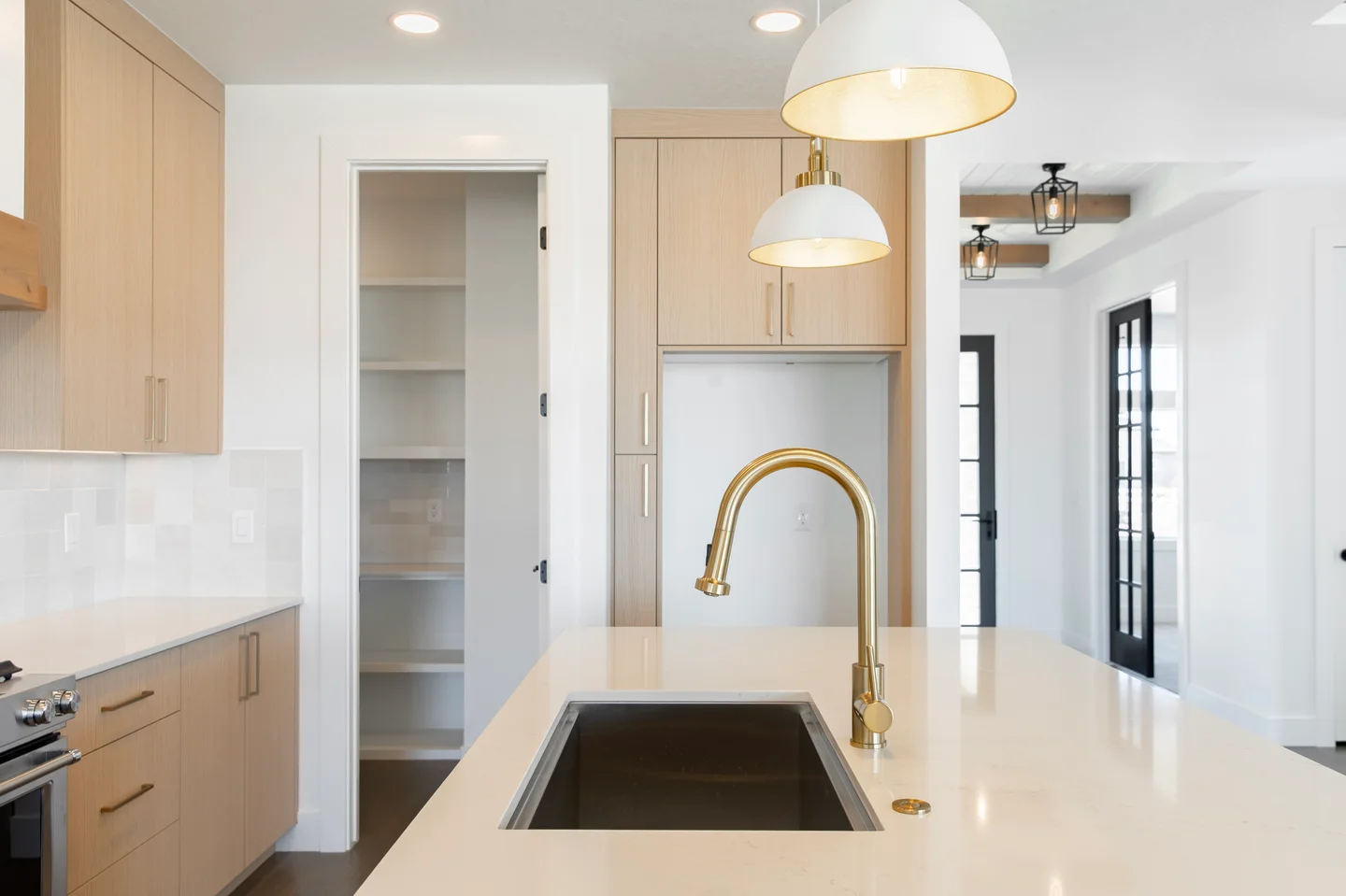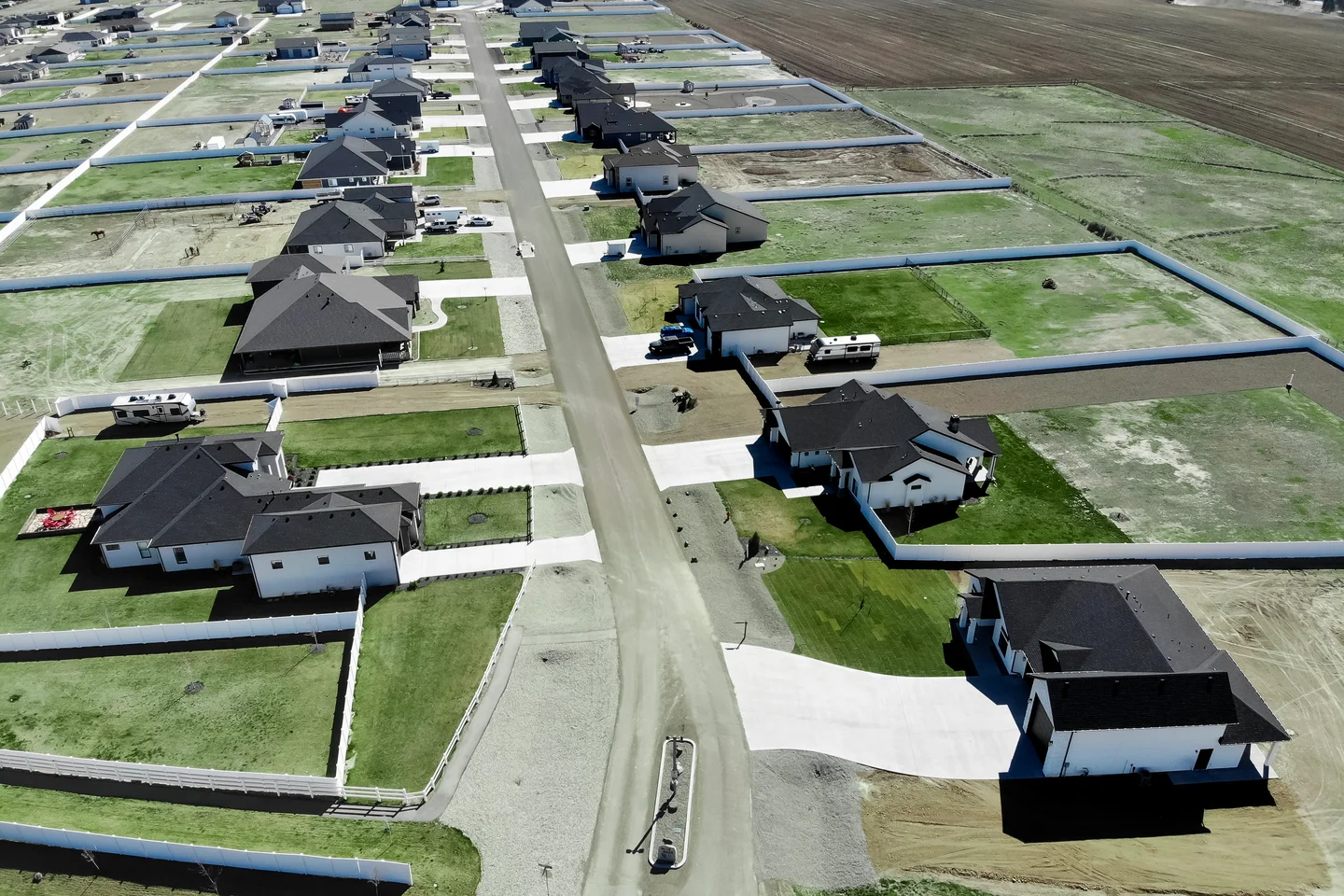

Embarking on a home remodel is an exciting journey. It’s an opportunity to reshape your living space, enhance its functionality, and increase your property’s value. However, the process can also feel overwhelming. For homeowners in Boise, Idaho, choosing the right remodeling contractor is the most critical first step. Understanding what to expect from this partnership can transform a potentially stressful experience into a smooth and rewarding one.
This guide will walk you through every phase of working with a remodeling contractor in Boise. From the initial consultation to the final walkthrough, we will outline the key steps, common questions, and professional standards you should anticipate. Knowing what lies ahead helps you prepare, ask the right questions, and ensure your vision for your home becomes a stunning reality. With a trusted partner like Eliezer Custom Homes, you can navigate the remodeling process with confidence and peace of mind.
The Initial Consultation: Setting the Stage for Success
The very first interaction with a potential remodeling contractor is the initial consultation. This meeting is a two-way interview. It’s your chance to assess the contractor’s professionalism and expertise, and it’s their opportunity to understand your vision, needs, and the scope of your project. A reputable Boise contractor will make this a thorough and insightful process.
What to Bring to the Meeting
To make the most of your consultation, come prepared. The more information you can provide, the more accurate the contractor’s initial assessment and feedback will be.
- A Clear Vision: Have a solid idea of what you want to achieve. Create a list of “must-haves” and “nice-to-haves.” Inspiration photos from magazines, Pinterest, or other websites are incredibly helpful.
- Project Scope: Know which rooms you want to remodel. Do you want to knock down walls for an open concept? Are you planning significant additions to the home’s footprint? Be specific about the changes you envision.
- Budget Range: Have a realistic budget in mind. While you may not know the exact costs, having a range you are comfortable with allows the contractor to provide practical advice and suggest appropriate materials and solutions.
- Property Information: If you have them, bring your property’s blueprints or survey. This can help the contractor understand the structural possibilities and limitations.
Questions the Contractor Will Ask
A professional contractor will want to get a complete picture of your project. Expect them to ask detailed questions such as:
- What are your primary goals for this remodel? (e.g., more space, updated style, better functionality)
- What aspects of your current space are not working for you?
- Who will be using the space, and what are their needs?
- What is your desired timeline for starting and completing the project?
- Have you completed any remodeling projects in the past?
- What is your approximate budget for this project?
Their questions are designed to ensure they fully grasp your expectations and can determine if your project is a good fit for their company.
Questions You Should Ask the Contractor
This is your time to vet the contractor. Don’t be shy about asking direct and important questions.
- Can you provide proof of licensing and insurance? (General liability and worker’s compensation)
- How long has your company been in business in the Boise area?
- Can you show me a portfolio of similar remodeling & renovations you have completed?
- Do you have a list of references I can contact?
- Who will be my main point of contact throughout the project?
- What is your typical process for a project of this size?
- How do you handle changes or unexpected issues during the project?
A trustworthy contractor will welcome these questions and provide clear, confident answers. To learn more about our values and history, visit our about page.
The Design and Planning Phase
Once you’ve chosen a contractor and feel confident in their ability to execute your vision, you move into the design and planning phase. This is where your ideas begin to take concrete shape. This stage is collaborative and requires careful attention to detail to prevent costly changes later.
Developing the Design Concept
Your contractor, often working with an in-house designer or a partner architect, will translate your ideas into a formal design. This process typically involves:
- Schematic Drawings: Initial sketches and floor plans that show the proposed layout and flow of the space. This is where you’ll see the first visual representation of your remodeled home.
- 3D Renderings: Many modern contractors use software to create realistic 3D models of the proposed design. This powerful tool allows you to “walk through” the space virtually, helping you visualize the final outcome and make decisions about spatial arrangements, lighting, and more.
- Material and Finish Selection: This is a fun but detailed part of the process. You will work with the design team to select everything from flooring and countertops to paint colors, fixtures, and lighting. A good contractor will guide you toward materials that fit your aesthetic, lifestyle, and budget.
Finalizing the Scope of Work and Budget
With the design solidified, the contractor will develop a detailed Scope of Work (SOW) document. This is one of the most important documents in your project. It should meticulously list every task to be performed, the materials to be used, and the finishes to be applied.
Alongside the SOW, the contractor will present a comprehensive, itemized budget. This shouldn’t be a single number but a detailed breakdown of costs for demolition, framing, electrical, plumbing, materials, labor, and permits. This transparency is a hallmark of a professional contractor.
Review these documents carefully. Ask for clarification on any item you don’t understand. This is the time to make adjustments. Once you sign off on the design, SOW, and budget, the project is ready to move into the pre-construction phase.
Pre-Construction: Laying the Groundwork
Before the first hammer swings, a significant amount of work happens behind the scenes. The pre-construction phase is all about logistics, scheduling, and preparation. A well-managed pre-construction phase is crucial for a smooth and efficient project.
Permitting and Approvals
Nearly all significant remodeling projects in Boise require permits from the city or Ada County. Your contractor should handle the entire permitting process. This includes preparing the necessary documents, submitting the application, and coordinating with city inspectors. The timeline for permit approval can vary, so it’s important to factor this into your overall project schedule. An experienced local contractor will be familiar with Boise’s specific building codes and requirements, which can help expedite this process.
Ordering Materials and Scheduling Subcontractors
With the design and permits in place, your contractor will begin ordering all the necessary materials. This includes long-lead items like custom cabinetry, windows, and special-order tiles. Ordering early is essential to avoid delays once construction begins.
Simultaneously, the project manager will create a detailed construction schedule. They will coordinate and book the various specialized subcontractors needed for your project, such as electricians, plumbers, HVAC technicians, and painters. This intricate scheduling ensures that the right teams are on-site at the right time, keeping the project moving forward without unnecessary downtime.
Preparing Your Home for Construction
Your contractor will advise you on how to prepare your home. This typically involves:
- Clearing the Work Area: Removing all furniture, artwork, and personal belongings from the rooms being remodeled.
- Protecting Your Property: The construction team will take measures to protect the rest of your home. This includes putting up dust barriers, covering floors in high-traffic areas, and sealing off vents to minimize the spread of dust.
- Establishing Site Rules: The project manager will discuss logistics with you, such as where the crew will park, which entrance they will use, and the daily work schedule (e.g., 8:00 AM to 5:00 PM).
The Construction Phase: Bringing the Vision to Life
This is the most visible and often longest phase of your remodel. Your home will transform into a construction zone, and you will see daily progress. A professional contractor will manage this phase with clear communication and expert oversight.
Demolition
The process begins with demolition. The crew will carefully remove existing structures, walls, flooring, and fixtures according to the approved plan. While it can be jarring to see your home being taken apart, this is a necessary first step to create a blank canvas for your new design.
The “Rough-In” Stage
Following demolition, the “rough-in” work begins. This is when the new bones of your space are put in place. This includes:
- Framing: Building new walls, doorways, and structural supports.
- Mechanical, Electrical, and Plumbing (MEP): Running new electrical wiring, plumbing pipes, and HVAC ductwork through the new walls and ceilings.
After the rough-in is complete, it will be inspected by the city to ensure everything is up to code. This inspection must pass before any drywall can be installed.
Insulation and Drywall
Once the rough-in passes inspection, insulation is installed in the walls and ceilings to improve energy efficiency and soundproofing. Then, the drywall goes up. The drywall will be hung, taped, mudded, and sanded to create smooth, paint-ready surfaces. This is when your new rooms will truly begin to take shape and feel like actual spaces again.
Finishes and Fixtures
This is the stage where the design details come to life. It’s an exciting time as you see the materials you selected months ago being installed. This phase includes:
- Painting: Interior walls and ceilings are primed and painted.
- Flooring Installation: Hardwood, tile, vinyl, or carpet is laid down.
- Cabinetry and Countertop Installation: Kitchen and bathroom cabinets are installed, followed by countertops.
- Tiling: Backsplashes, shower surrounds, and tile floors are completed.
- Finish Carpentry: Baseboards, crown molding, door and window trim are installed.
- Fixture Installation: Lighting fixtures, faucets, sinks, toilets, and appliances are put in place.
Throughout this phase, your contractor’s attention to detail is paramount. The quality of the finish work is what separates a standard remodel from a high-end, custom project.
Communication and Project Management
Constant and clear communication is the backbone of a successful remodeling project. You should expect regular updates and a dedicated point of contact throughout the entire process.
Your Point of Contact
For any sizable project, you should have a dedicated Project Manager. This person is your single point of contact for all questions, concerns, and updates. They are responsible for overseeing the day-to-day operations on-site, managing the subcontractors, and ensuring the project stays on schedule and on budget.
Regular Updates and Site Meetings
Your contractor should provide a consistent schedule for updates. This might be a daily text, a weekly summary email, or regular on-site meetings. These updates should cover:
- Work completed that week.
- The plan for the upcoming week.
- Any issues that have arisen and how they are being addressed.
- Upcoming decisions you need to make (e.g., confirming a paint color).
Modern contractors may also use project management software that allows you to log in and see the schedule, view progress photos, and communicate with the team.
Handling Change Orders
Even with the best planning, changes can happen. You might decide you want to add a feature, or an unexpected issue (like hidden water damage) might be uncovered during demolition. When a change to the original Scope of Work is necessary, it is handled through a “Change Order.”
A professional contractor will have a formal process for this. The Change Order should be a written document that details:
- The specific change in work.
- The cost associated with the change (either an addition or a credit).
- The impact on the project schedule.
You must approve and sign the Change Order before any new work begins. This process ensures transparency and prevents surprise costs at the end of the project.
The Final Stages: Punch List and Project Completion
As construction winds down, the focus shifts to perfecting the details and officially completing the project.
The Punch List Walkthrough
Once the contractor believes the project is substantially complete, they will schedule a final walkthrough with you. Together, you will walk through the remodeled space and create a “punch list.” This is a list of any small items that need to be corrected or finished. This could be a paint touch-up, an adjustment to a cabinet door, or a missing piece of trim.
A good contractor will be proactive in identifying these items themselves, but this is your opportunity to point out anything you notice. The contractor’s crew will then work through the punch list to address every item to your satisfaction.
Final Cleaning
After the punch list is complete, the contractor should arrange for a professional post-construction cleaning. This is not a standard maid service; it’s a deep cleaning designed to remove all the fine dust and debris that construction inevitably creates. Your new space should be delivered to you in move-in-ready condition.
Project Handoff and Warranty
At the final project handoff, your contractor will provide you with all the necessary documentation for your new space. This includes user manuals for new appliances, information on how to care for new surfaces like countertops and flooring, and contact information for any warranty services.
Reputable remodeling contractors stand behind their work. Expect to receive a written warranty that covers the craftsmanship and labor for a specified period, typically at least one year. This gives you peace of mind that if any issues arise from the work performed, the contractor will return to fix them.
Choose a Partner You Can Trust
A home remodel is a significant investment of time, money, and emotion. The experience you have is almost entirely dependent on the contractor you choose. From the initial vision to the final, beautiful result, the right partner makes all the difference.
At Eliezer Custom Homes, we are dedicated to a transparent, communicative, and high-quality remodeling process. We understand that we aren’t just building spaces; we are helping you build your dream home. Our team of experienced professionals is committed to guiding you through every step, ensuring your Boise home remodel exceeds your expectations.
If you’re ready to transform your home, we invite you to contact us to schedule your free consultation and discover what sets us apart.
Crafting Beautiful, Quality Homes
Here at Eliezer Custom Homes, we are committed to delivering exceptional quality and service to our clients. Our team is made up of highly skilled professionals who have extensive experience in the construction industry.
Contact Us